Here are five things you should know at the end of this week:
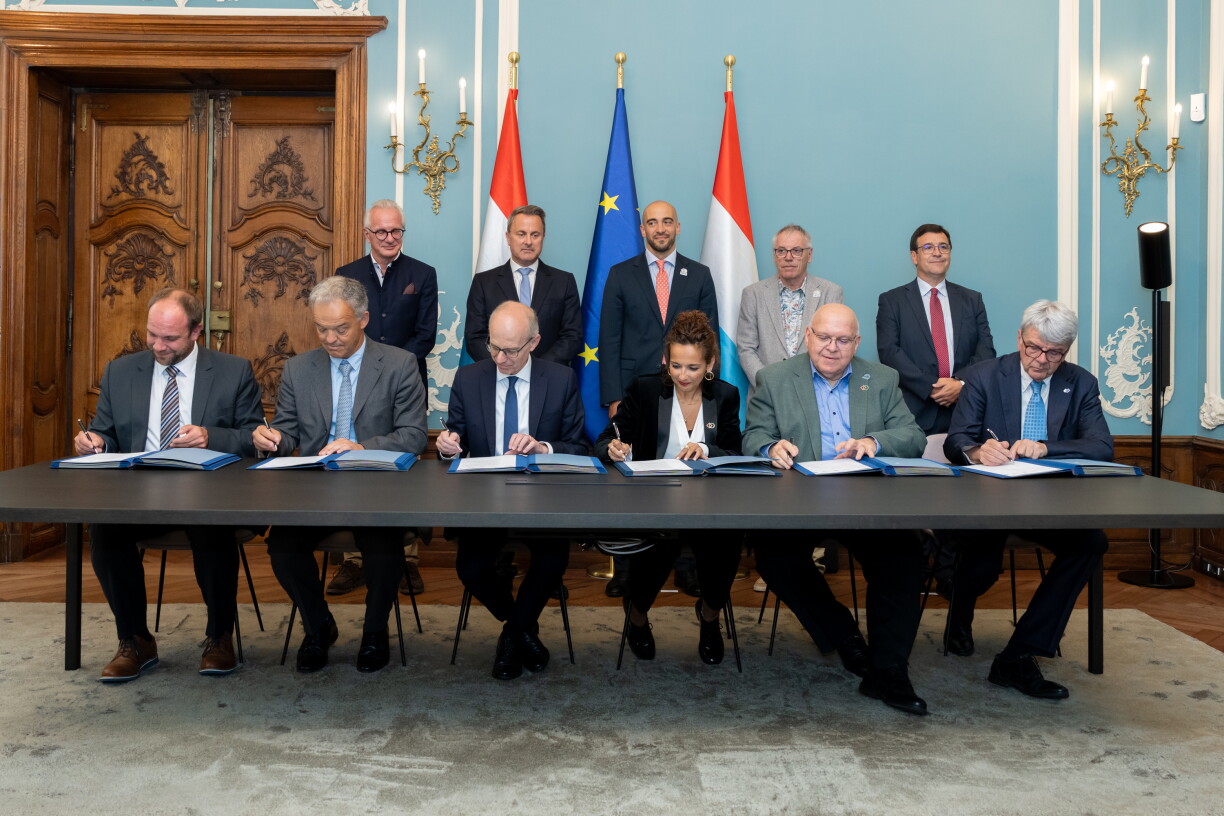
Key measures for households – The tripartite agreement signed on Monday introduces a range of temporary measures to ease the cost of living. Fuel duties will be cut by five cents per litre from July to December, while electricity and heating bills will be subsidised for residents and businesses. The minimum wage will rise by €200 in two steps by July next year, delivered through a tax credit, and further support is provided for those investing in heat pumps and energy renovations.
Political and social reactions – Parliamentary debate saw broad support for the deal, though opposition parties raised concerns over its financial impact and the sufficiency of certain measures, especially on housing and energy. The government defended the €450 million cost as an investment in social peace and stability, while unions and employers welcomed the renewed commitment to social dialogue and regular monitoring of the agreement’s implementation.
Looking ahead – A tripartite monitoring committee will track the rollout of the measures and economic developments, meeting quarterly. The government confirmed that a major tax reform remains on track for 2028, promising further relief. Meanwhile, housing and energy remain ongoing challenges, with new committees set up to propose solutions and ensure that support reaches those most affected by rising costs.
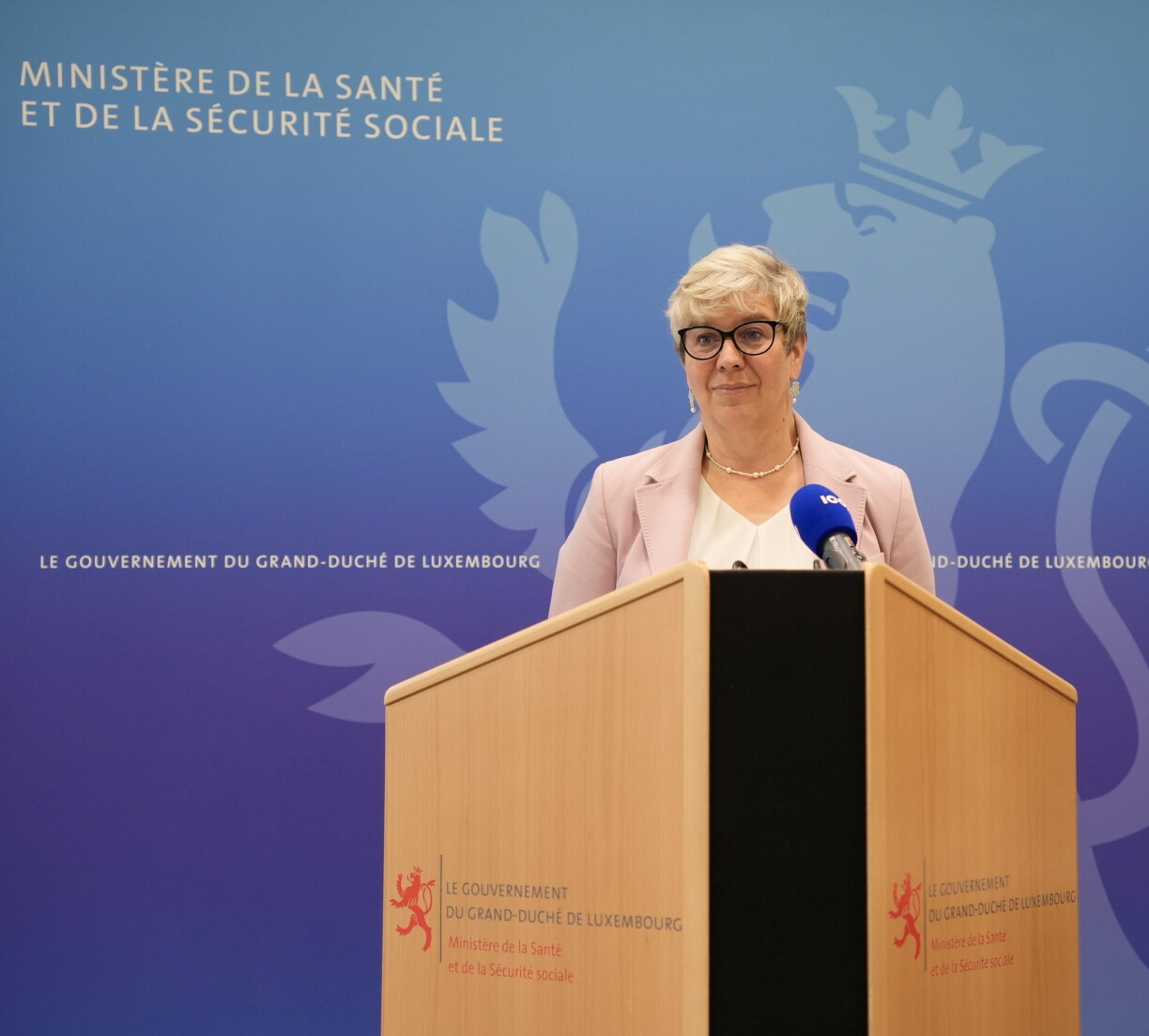
Ambulatory shift aims explained – Draft law 8760 is part of Luxembourg's ongoing "ambulatory shift", aiming to make healthcare more accessible and efficient. The proposal would allow doctors to initiate new outpatient clinics, offering services such as minor surgical procedures, dialysis, and oncology care, in partnership with hospitals. The reform also allows hospitals to employ infectious disease specialists and establishes new competence networks for conditions like long Covid and endometriosis.
Medical associations voice concerns – Both the Association of Doctors and Dentists (AMMD) and the Association of Hospital Doctors have criticised the draft law for its complexity and lack of clarity. Key issues include unanswered questions about financing, the nature of agreements between doctors and hospitals, and the integration of outpatient doctors into hospital on-call rotations. AMMD warned of the risk of "state-run medicine" if agreements are not reached.
Funding and practical challenges – Hospital doctors highlighted concerns that the current reimbursement system does not adequately compensate for complex, time-intensive cases, potentially straining hospital budgets if reforms shift simpler cases to outpatient clinics. There are also doubts about how outpatient doctors will participate in hospital on-call duties, given differences in procedures and systems. The reform's success may hinge on clarifying these operational and financial details.
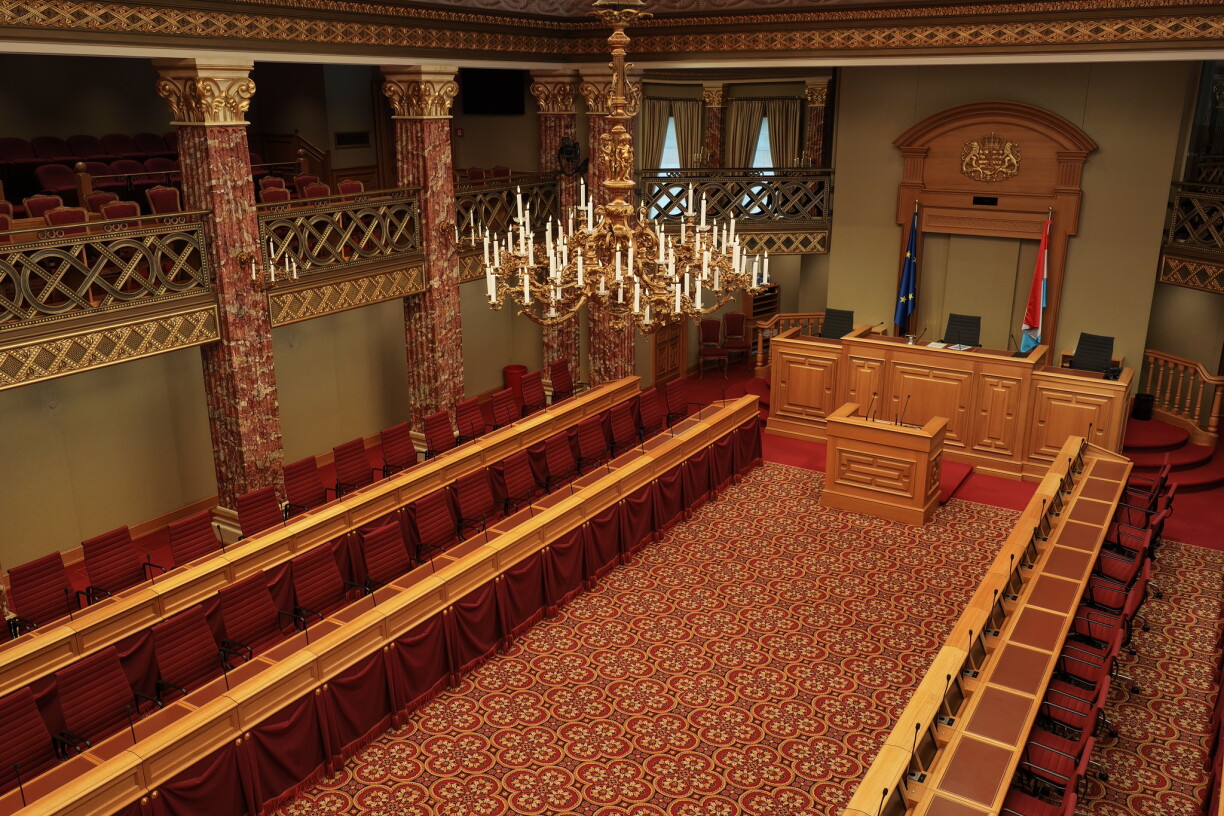
Debate over humanitarian balance – The Chamber debate revealed sharp divisions over how to balance humanitarian principles with the need for effective migration management. Supporters argued the reforms clarify procedures and aim for swift, fair decisions, while critics warned of a shift away from Luxembourg's tradition of welcoming refugees. The new framework includes provisions for faster deportations, better protection for minors, and a review of the measures after four years.
Changes for asylum seekers – The new laws introduce earlier access to the labour market for recognised refugees – after four months instead of six – though asylum seekers remain excluded from the National Employment Agency's (ADEM) services. Other measures include improved access to literacy courses, immediate access to compulsory schooling, and voluntary return schemes. The government says these changes aim to help people achieve independence quickly, though some MPs argue more support is needed.
The opposition criticised the government's handling of the bills. The Greens, The Left (Déi Lénk), and the Luxembourg Socialist Workers' Party (LSAP) had called for the vote to be postponed, arguing there had not been enough time for proper scrutiny.
At a broader level, the EU's overhaul of migration policy within the bloc has drawn sharp criticism from rights groups.
Party tensions – The legislative process exposed some internal tensions, particularly within the LSAP. MP Liz Braz withdrew from representing her party due to disagreements over the group’s final position, highlighting unresolved differences. While the LSAP ultimately voted against the bill, Braz stressed her support for a common European approach but criticised the specifics of Luxembourg's implementation and the handling of internal discussions.

Violence follows stabbing incident – The unrest began after a graphic video circulated online showing a man being stabbed in north Belfast, allegedly by a Sudanese refugee. The victim, Stephen Ogilvie, suffered serious injuries but is in stable condition. The suspect appeared in court on Wednesday charged with attempted murder and related offences. The incident quickly fuelled anti-immigration sentiment, with far-right activists amplifying calls for protest on social media.
Protests escalate into riots – Hundreds of masked protesters gathered across Belfast, torching vehicles and buildings, blocking roads, and forcing evacuations. Police responded with water cannons and increased patrols, arresting 16 people and reporting injuries to 12 officers. The violence spread fear among residents, with some families targeted based on nationality and dozens left homeless. Businesses, schools, and public transport shut down as a precaution.
Condemnation and calls for calm – Political leaders, including Northern Ireland's First Minister and UK Prime Minister Keir Starmer, condemned the violence as "shocking" and "unacceptable". Community members and the victim’s family appealed for calm, warning against using the tragedy to fuel division or hostility. Authorities blamed far-right activists for stoking unrest online, while local residents expressed sadness and fear over the impact on their neighbourhoods.

Visa disputes and exclusions – The lead-up to the World Cup was marked by high-profile visa issues, most notably the exclusion of Somali referee Omar Artan and 15 Iranian team staff, all denied entry to the United States. Trump fan and FIFA president Gianni Infantino called Artan’s case "unfortunate" but stressed that FIFA cannot override government decisions. Iran's team, affected by delays and restrictions, voiced frustration at what they called discriminatory treatment and logistical challenges.
Fans from multiple participating countries have also been left out due to visa denials.
Protests and local tensions – In Mexico City, teacher protests led by the CNTE union blocked roads to the Estadio Azteca just days before the opening match, demanding salary increases and pension reforms. Authorities deployed thousands of police and set up barriers to ensure the match could proceed, while allowing peaceful demonstrations nearby. The protests added to a tense atmosphere, with further demonstrations by families of "disappeared" persons taking place ahead of the inaugural match.
Ticket prices and fan experience – FIFA faced criticism over ticket prices, with some seats reportedly exceeding $30,000. In response, officials highlighted a limited number of $60 tickets and claimed average prices were lower than other American sports events. After backlash over a ban on refillable water bottles, FIFA reversed course, allowing fans to bring in one sealed disposable bottle per match, citing safety and health concerns amid forecasts of extreme heat at several venues.
On the pitch, the first match of the tournament saw home nation Mexico come out on top following a 2-0 victory over South Africa.
Your Weekly Recap is published every Friday at noon.
Read earlier versions here.