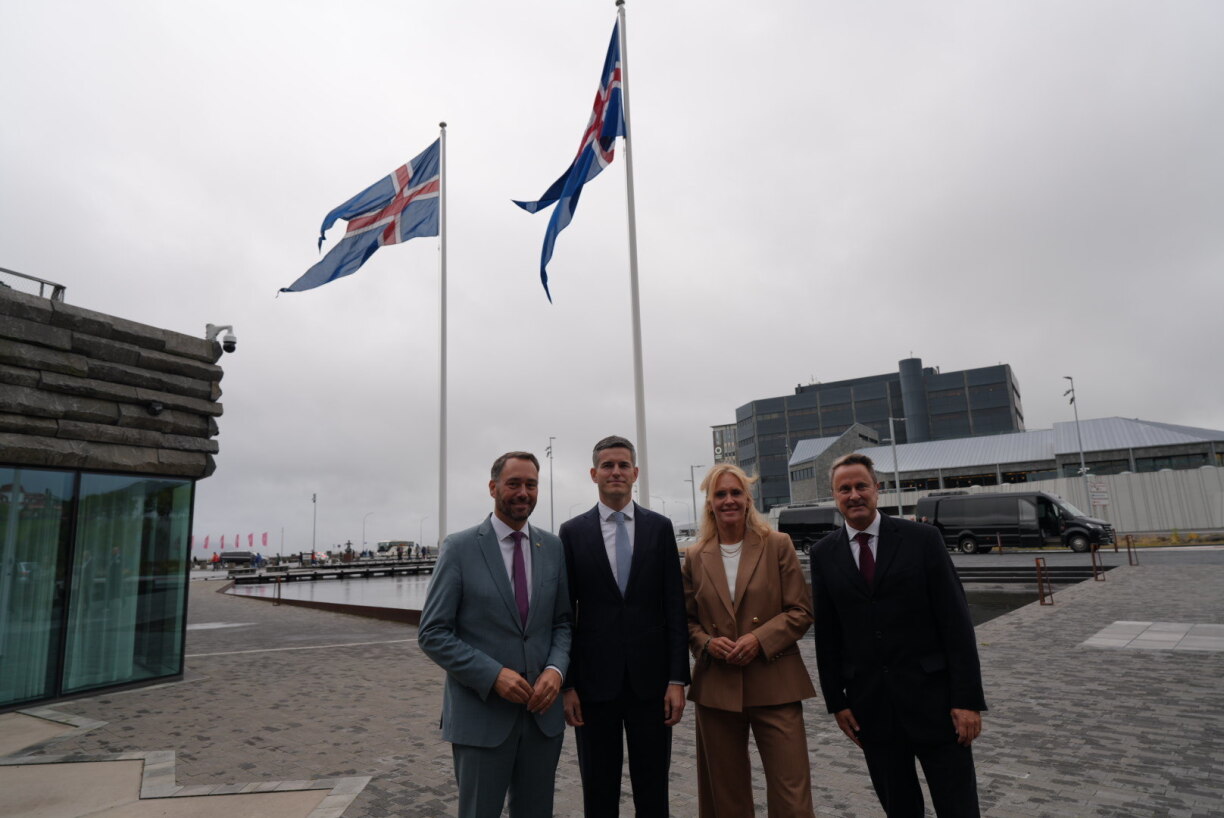
The foreign ministers of Belgium, the Netherlands, and Luxembourg recently travelled together to Norway and Iceland on a working visit, continuing a longstanding Benelux tradition of joint diplomatic missions. This time, they focused on the evolving security situation in northern Europe and the countries' close ties to the European Union.
Key topics included relations with the EU, the impact of Russia's invasion of Ukraine, and rising tensions in the Arctic region.
Although Norway and Iceland are not members of the European Union, they maintain strong connections through the European Economic Area and the Schengen Area. Norway, sharing a direct border with Russia, currently plays a crucial role in managing tensions with Moscow.
Luxembourg's Minister of Foreign Affairs, Xavier Bettel, emphasised the importance of Norway's position neighbouring Russia, which allows it to observe events first-hand and provide valuable information. Bettel emphasised that both countries can rely on the NATO alliance.
Norway is a part of NATO, and Iceland, while not having its own army, is a hybrid member, serving as a strategic base for the alliance.
In the past year, Norway, much like the Baltic States, has experienced Russian hybrid attacks, highlighting the country's vulnerability due to its geographic and geopolitical position.
Despite the distinct atmosphere in Iceland, NATO troops are also stationed there to monitor strategic passages through the Arctic, particularly the movement of Russia's shadow fleet. This surveillance has become more significant as climate change opens up previously inaccessible sea routes.
Minister Bettel commented on the wider implications of climate change, which is creating a situation perceived by some as an opportunity, with ships now being able to pass through these waters more quickly. Nonetheless, Bettel mainly views this development as a threat because it shows how climate change is destroying the planet.
Melting ice has made the Arctic more attractive, not only for new shipping routes but also for access to natural resources. Bettel warned that while the United States is typically at the forefront of any deals, other powers, including China and Russia, are increasingly asserting their interests.
He stressed that the European Union cannot afford to stand by and watch these developments unfold.
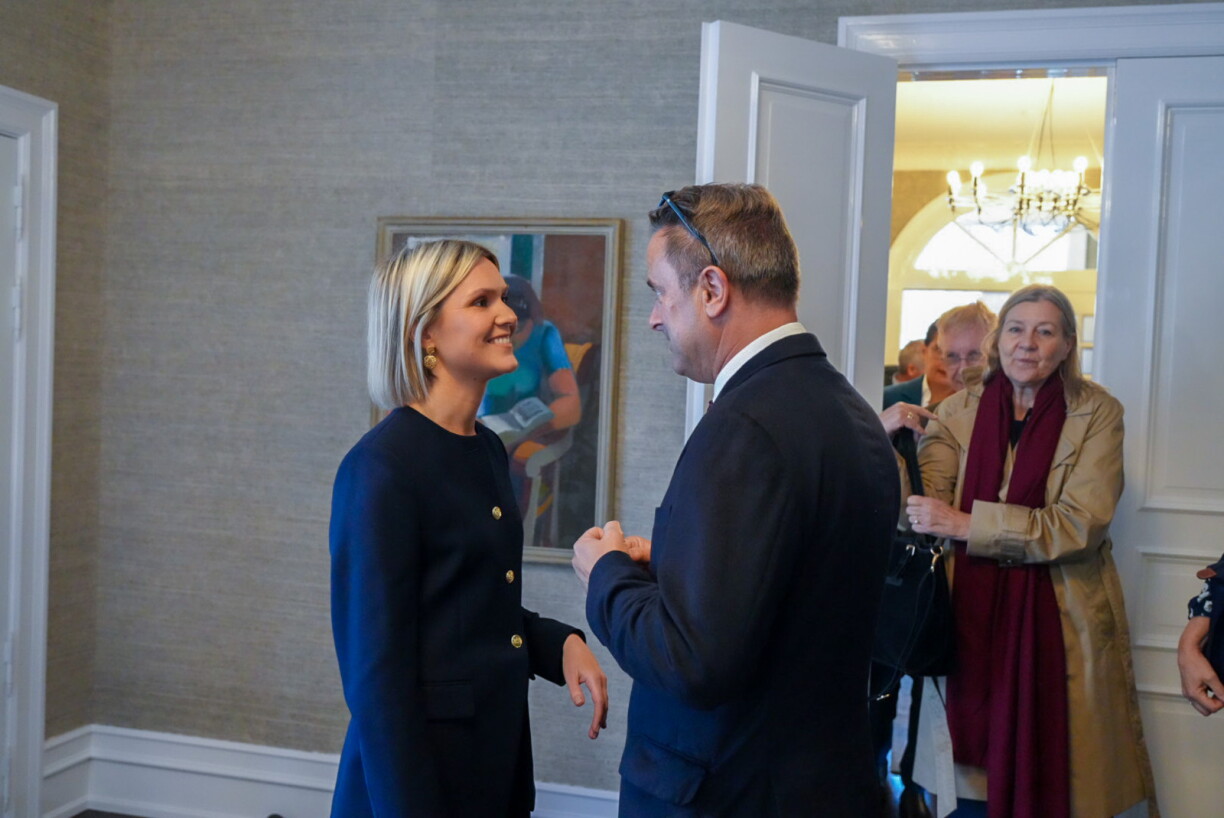
During the visit, Icelandic Prime Minister Kristrún Frostadóttir welcomed the Benelux foreign ministers. One of the main topics was the outcome of Iceland's recent referendum, in which 52.8% of voters rejected the proposal of resuming accession talks with the EU.
Minister Bettel acknowledged the result and underlined that it must be accepted. However, he added that this does not change the fact that Iceland will remain a very close partner of the European Union.