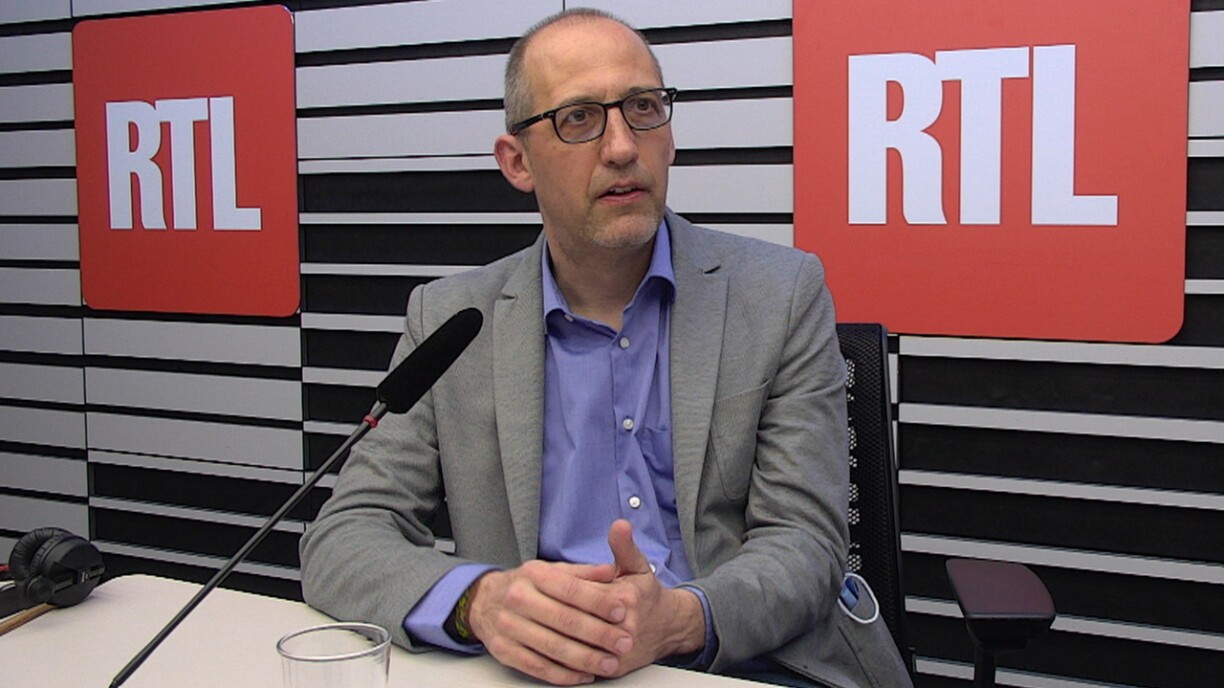
On Tuesday morning, the head of water management at the Ministry of the Environment, Tom Schaul, was a guest on RTL Radio.
According Schaul, groundwater provides around 50% of Luxembourg's drinking water, which is sourced from about 300 sources and boreholes, and is generally a "vital part" of Luxembourg's water reserves.
Despite a steady population growth, water consumption is actually in decline.
Since the early 2000s, Luxembourg's drinking water supply system has been professionalised, which caused the consumption per capita to decrease, Schaul explained.
Specific reasons include the shift away from heavy industry since the 80s and 90s, a modernisation of Luxembourg's 4,600-kilometre-long water network, which resulted in fewer leaks, and a raised awareness of the preciousness of water among the general population.
According to Schaul, the Grand Duchy's current drinking water reserves will be able to cope with the demand "until 2035-2040". From this point onwards, however, the country may experience shortages during "high consumption phases", e.g. during summer.
To prevent this, the authorities have drafted a three-pronged strategy, Schaul explained.
The first aspect of this strategy focusses on protecting existing water sources, for instance by classifying certain areas around the Upper Sûre Lake as water protection zones. Schaul pointed out that this measure alone guarantees a drinking water supply for an additional 60,000 to 65,000 people.
The second aspect is all about saving water and focusses not only on private households but also on industry and agriculture, Schaul stated.
Finally, the third aspect deals with harnessing new water sources. In this context, the authorities are notably carrying out research to assess if and how they could use water from the Moselle.





