As fuel prices remain unstable, the cost of electricity to charge electric cars has actually decreased. Since early April, several operators in Luxembourg have lowered their prices at public charging points.
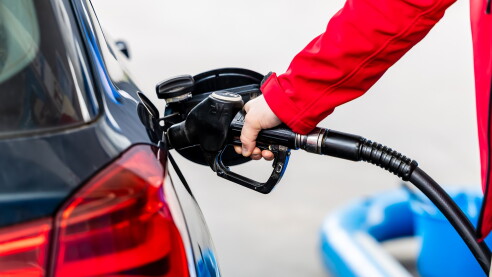
The trip to the petrol station is becoming increasingly expensive: prices for petrol and diesel have risen significantly in recent weeks, partially reaching record levels. This stands in stark contrast to electric mobility.
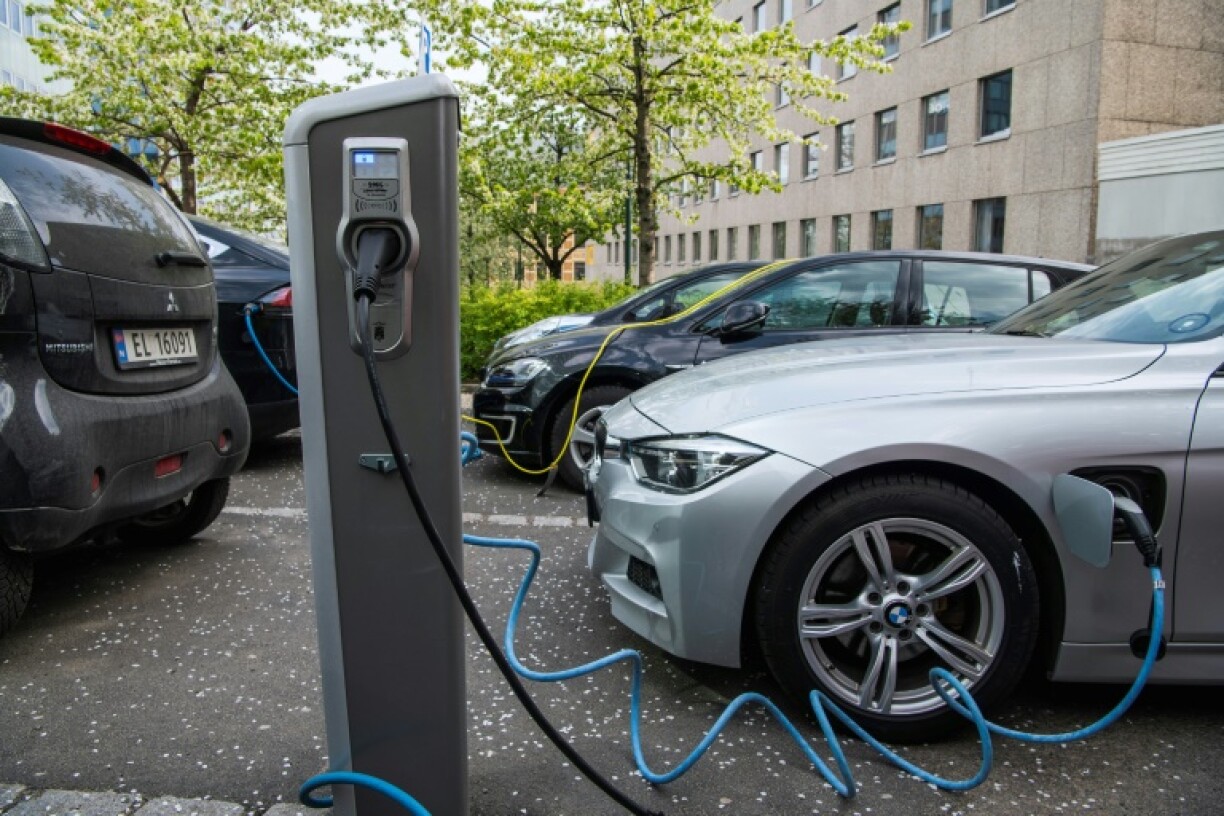
Since early April, several operators in Luxembourg have lowered their prices at public charging points. "We have announced a significant reduction in our tariffs, of around 17%, across all our AC and DC charging points. The aim is to make public charging more accessible and more attractive for all users", explained Marie-Anne Georgel, manager of Charge@lux, which operates the Chargy network across Luxembourg.
This reduction is due in part to lower fees for the management of the electricity grid, a development that has also affected the electricity bills of private households since the start of 2026.
But is it actually cheaper to charge an electric car than to fill up a vehicle with a petrol or diesel engine?
Georgel acknowledged that the answer is not straightforward. She explained that while fuel prices have risen significantly, the cost of electricity depends heavily on the infrastructure, the operators, and the badge used.
Nevertheless, a trend is emerging. A full tank for a mid-sized diesel car with a consumption of around six litres per 100 kilometres and a 50-litre tank currently costs about €109.
For an electric car of similar size, the cost of a full charge at a fast-charging station currently amounts to an average of about €36, even if that figure can vary depending on terms and conditions.
This development is not without consequences for the automotive market. High fuel prices are leading an increasing number of people to consider whether alternatives might not be more efficient.
"I think people are doing the maths", said Philippe Mersch, President of the Garage Owners' and Distributors' Association (FEDAMO). "If I have to pay €2.18 for a litre of diesel, then people start thinking about whether there are alternative options available, such as electric cars", Mersch argued.
However, this trend is not yet directly reflected in sales figures. The share of new electric cars in vehicle registrations currently stands at around 27% – the same level as last year.
A clearer dynamic is visible in the used vehicle market, however. Cheaper electric cars, particularly those in the price range between €15,000 and €25,000, are increasingly in demand.
"With the government grant, buying an electric car is also becoming attractive to many people as a second or third car", Mersch explained. Government assistance – such as a grant of up to €1,500 for used cars – plays an important role in development.
Whether the current crisis surrounding petrol prices will provide a lasting boost to electric mobility remains to be seen. What is already clear, however, is that mobility is in transition, and costs are increasingly becoming the decisive factor when choosing the next vehicle.