Luxembourg's housing crisis continues to deepen, affecting ever-wider segments of the population and weighing on the economy. With construction nearly at a standstill and public confidence low, the question of what can be done has become increasingly urgent.
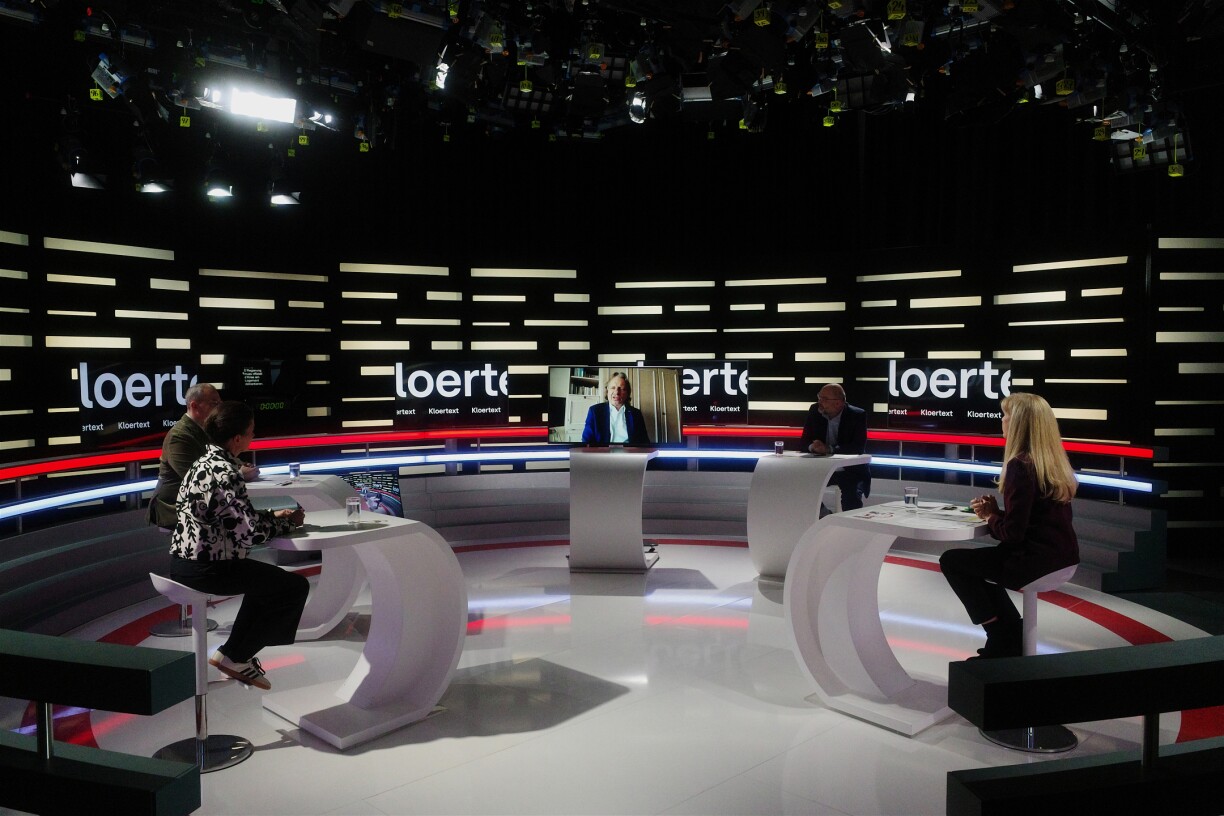
To explore the causes, potential solutions, and pitfalls to avoid when undertaking a construction project, our colleagues from RTL Télé gathered a panel of experts for a discussion on Thursday evening. Participants included Gilles Hempel, Director of the Access to Housing foundation; Mario di Stefano, a lawyer specialising in property law; Joël Schons, an entrepreneur and president of the European construction industry; and Diane Heirend, an architect and urban planner.
The housing crisis in Luxembourg is decades in the making and remains one of the country's most formidable challenges. It affects those unable to afford housing, is compounded by complex and opaque procedures, strains an overburdened justice system, and has left the construction sector struggling to function effectively.
Ahead of the broadcast, RTL received numerous testimonies from individuals at their breaking point. Some described being unable to find affordable housing, while others recounted being left in the lurch after purchasing a property "off-plan", only to have the developer go bankrupt during construction.
"It makes you furious when your future plans are turned upside down", Pit Frank told RTL. Sarah Roth expressed shock at the length of time court cases against developers can drag on. Lynn Gaspar reported waiting four years for her flat, only to receive a property of substandard quality. Jonathan Pauly highlighted the difficulties faced by renters, noting that with a fixed-term contract, applying for a flat is often futile, as many candidates compete for a single property.
Gilles Hempel, Director of the Access to Housing Foundation, called on the government to officially declare a state of crisis. "The country is going down the drain, and the poorest are the worst affected", he lamented.
Hempel identified the lack of affordable housing as a major problem and urged strict measures to address vacant properties. He also stressed the urgent need for reform of the completion guarantee, to ensure that buyers are not left stranded if their home remains unfinished.
Mario di Stefano, a lawyer specialising in property law, noted that problems often arise because people do not inform themselves sufficiently before signing documents, particularly regarding the completion guarantee. He acknowledged that court cases can take an extremely long time and cost parties a fortune, attributing this largely to staff shortages within the system.
"Unfortunately, in Luxembourg, it's also the case that the person who wins the case ends up stuck with their own court fees", di Stefano added.
Joël Schons, an entrepreneur and president of the European construction industry, described the current situation as an "absolute joke", criticising the lack of new construction in Luxembourg. He believes regulations are primarily to blame for the stagnation.
Building permits are processed far too slowly, Schons argued, particularly because Luxembourg is "totally behind" in terms of digitalisation. He pointed out that the state is sitting on two million square metres of land on which 10,000 homes could be built immediately, yet even public developers are making no progress.
Schons also noted a tendency to build too large, in part because current prescriptions mandate it.
Diane Heirend, an architect and urban planner, echoed concerns about excessive regulation. "The regulations arose from good intentions, but they've taken on a life of their own, and common sense has been lost", she said, describing the situation as "immensely frustrating."
She stressed the need to move away from overly prescriptive rules. "You don't need lawyers to create good architecture", Heirend argued, concluding that it would be beneficial if her profession were granted more freedom once again.