
Here are five things you should know at the end of this week:

Iran revives Ukraine energy concerns – As the war in Iran is about to enter its third week, concerns about the looming energy crisis have reached Luxembourg's political agenda. Rising oil prices and instability in global markets have revived memories of the energy shock triggered by Russia's invasion of Ukraine in 2022.
Speaking during an official visit to Spain last week, Energy Minister Lex Delles expressed concerns about the latest developments, warning that Luxembourg and Europe remain heavily dependent on decisions made far beyond their borders. The Energy Minister on Friday morning announced the release of 8,385 tonnes of oil from Luxembourg's strategic move, though he underlines the move is a "small, symbolic" gesture in the face of domestic shortages.
Entering 'crisis mode' – For Delles, the turmoil on global markets underscores the need to accelerate the transition to renewable energy, which he argues is the only way to reduce Europe’s dependence on geopolitical shocks. At the same time, political voices across Luxembourg are calling for a stronger response to the immediate crisis.
In an interview with RTL, LSAP MP and former Deputy Prime Minister Paulette Lenert urged the government to enter "crisis mode" as oil prices climb, while the Greens framed the energy transition as a matter of national security, calling for faster investment in renewable energy and targeted support for households and businesses.
Wider European concerns – The debate in Luxembourg mirrors broader discussions across Europe: With oil prices surging and shipping routes in the Strait of Hormuz under threat, EU leaders have warned that the conflict once again exposes the continent’s dependence on imported energy.
Meanwhile, the International Energy Agency has announced it will release a record 400 million barrels from emergency reserves to stabilise global markets.
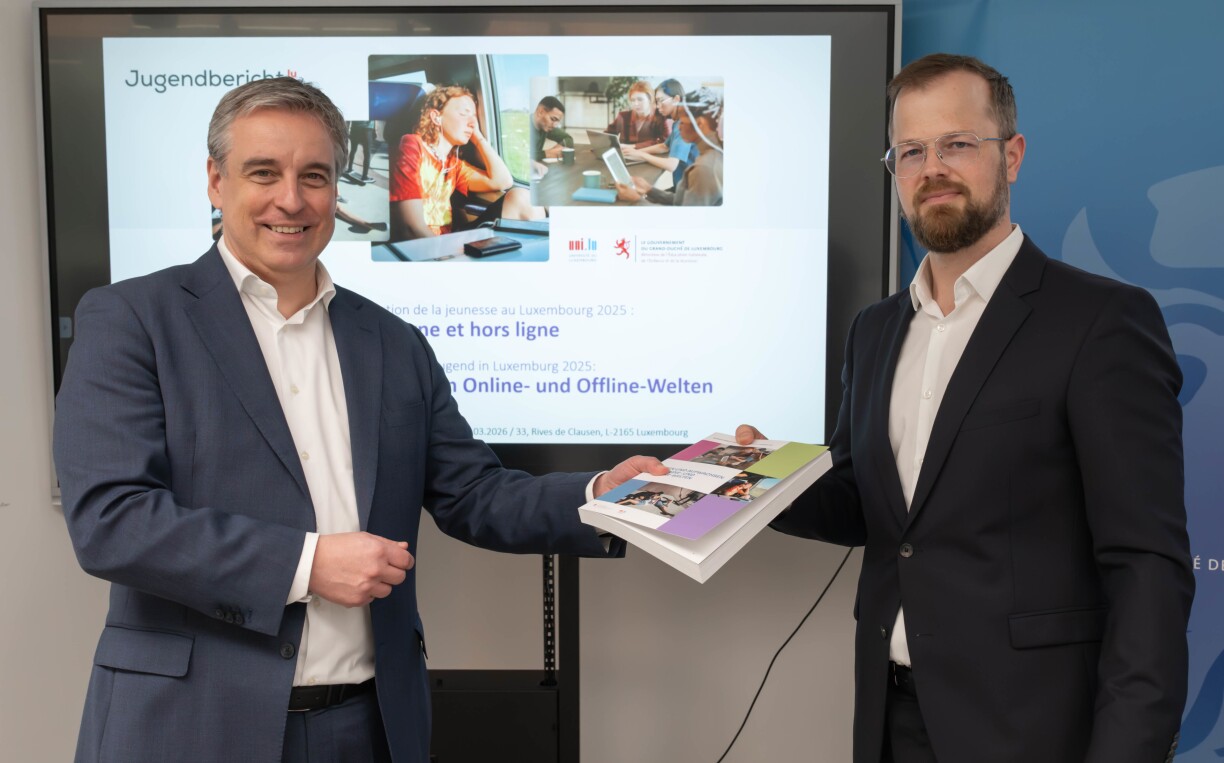
With or without EU – Education Minister Claude Meisch confirmed this week that Luxembourg backs the introduction of a ban on social media for young people and could move ahead even without a coordinated EU framework. The announcement was made at Meisch's presentation of the National Report on the Situation of Young People, which is compiled every five years by the University of Luxembourg.
The report's findings highlight the growing impact of digital platforms on youth wellbeing, as more youngsters report experiencing anxiety. According to the report, more than 80% of Luxembourgers aged 18–29 spend over two hours per day on social media, even as many express a desire for a more analogue lifestyle. The government argues that limiting access could give young people more opportunities to spend time offline and strengthen face-to-face social interaction.
Simple ban enough? – The proposed social media restrictions would build on Luxembourg's nationwide smartphone ban in schools, introduced in primary schools in April 2025 and secondary schools in June 2025. Early feedback suggests the policy is having positive effects, with schools reporting fewer distractions in class and more interaction among students during breaks.
However, the idea of extending restrictions to social media remains contested: youth organisations and student representatives warn that a simple ban may not address the broader challenges of digital culture and argue that education and media literacy should remain central to the response.
In Australia's footsteps – The debate in Luxembourg reflects wider international discussions on protecting minors online. Australia introduced the world’s first nationwide ban on social media for under-16s in late 2025, a move followed by Spain only weeks later.
Earlier in January, Luxembourg’s Ombudsman for Children and Youth (OKAJU) had already called for strict age limits on smartphone ownership and social media use, particularly after controversy surrounding Elon Musk’s Grok AI chatbot
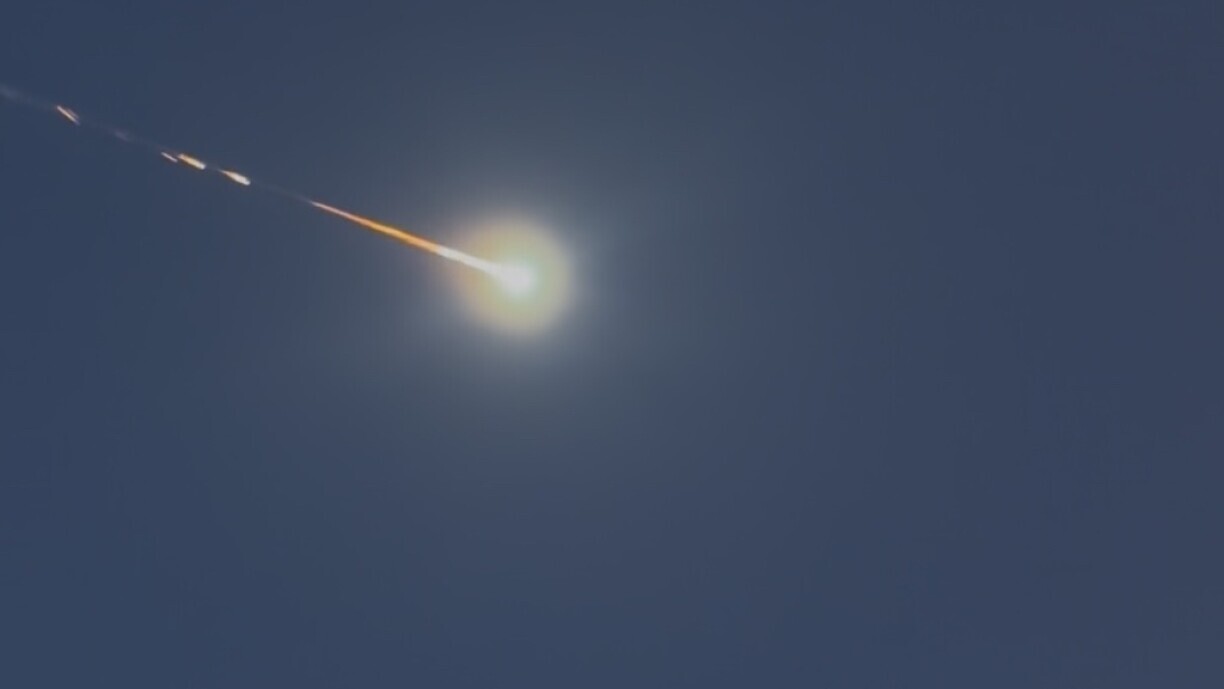
Fireball in the sky – A bright fireball lit up the skies over Luxembourg and parts of western Germany on Sunday evening, astonishing eyewitnesses who reported a glowing object moving slowly before breaking apart, followed by loud bangs resembling explosions.
Images and videos quickly spread on social media, while early speculation centred on whether the phenomenon was a natural meteor or artificial space debris, possibly linked to objects burning up in Earth's atmosphere.
Rare event for experts – Astronomers and experts from the European Space Agency (ESA) now believe the phenomenon was most likely a meteorite, known scientifically as a fireball or bolide – a space rock burning up as it enters Earth's atmosphere.
According to ESA planetary defence officer Richard Moissl, the object may have measured over a metre across, making it a relatively rare event. As it travelled at tens of thousands of kilometres per hour, intense atmospheric friction caused it to fragment, producing the bright light and sonic booms reported by witnesses.
Messengers from the past – Fragments from the meteorite have reportedly landed in parts of Rhineland-Palatinate in Germany, even causing minor damage to buildings.
For scientists, such events are especially valuable because meteorites are considered “messengers from the past”, containing material dating back roughly 4.5 billion years to the formation of the Solar System. Analysing any recovered fragments could therefore provide rare insights into the origins of planets.

No ceasefire in sight – The Iran war entered a new phase this week as Ayatollah Mojtaba Khamenei, the son of the killed supreme leader, formally took over Iran's leadership and vowed to continue fighting the United States and Israel. Tehran warned the war could become a prolonged conflict of attrition and threatened to keep the strategic Strait of Hormuz closed, a move that has already brought a large share of global oil shipping to a halt.
Humanitarian needs are also growing rapidly, with the Red Cross launching a 50-million-dollar emergency appeal to assist millions affected by the war.
Heavy toll for Lebanon – Lebanon has meanwhile become one of the war’s main flashpoints, with Israel expanding strikes across the country, including central Beirut, amid escalating fighting with Hezbollah. Prime Minister Benjamin Netanyahu warned that if the Lebanese government fails to disarm the group, Israel would do so "on the ground".
The fighting has taken a heavy toll: more than 680 people have been killed and around 800,000 displaced, while Israeli attacks on residential areas, universities and coastal districts have left parts of Beirut damaged and civilians struggling to find shelter.
Evacuating stranded residents – Luxembourg has meanwhile continued repatriating citizens from the region, as missile attacks and airspace closures left thousands stranded. The latest Luxembourg evacuation flight landed earlier this week after evacuees were transported via Dubai and Egypt aboard a military A400M aircraft, before travelling on to Findel.
At least five repatriation flights have now been carried out in cooperation with Belgian authorities; further evacuations are still under consideration.
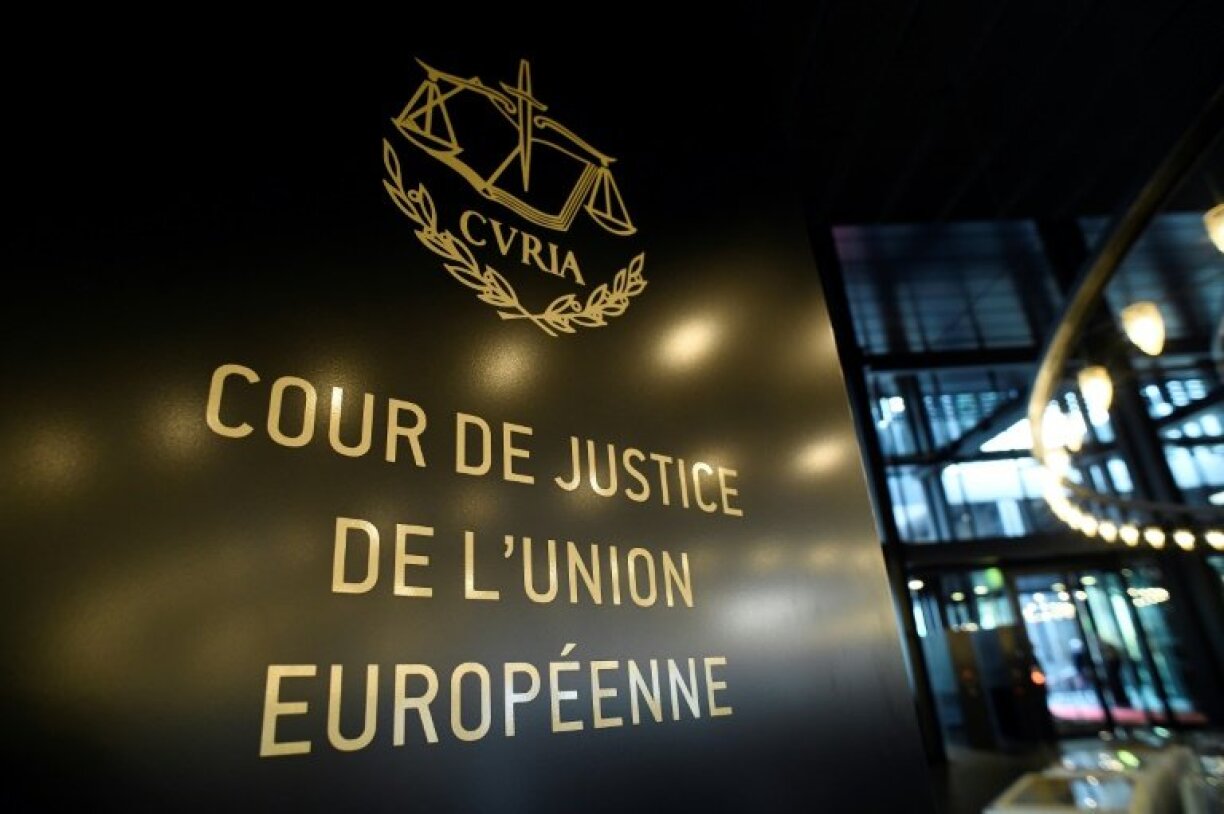
EU law takes precedence – The European Court of Justice (CJEU) in Luxembourg ruled this week that EU countries must issue identity documents that recognise transgender people’s chosen gender, saying European law takes precedence over national legislation that refuses such changes. The ruling came after Bulgaria denied a transgender woman a passport reflecting her gender identity.
Violating EU foundations – Judges said national laws that prevent transgender citizens from amending gender markers on official documents violate EU freedom of movement rules, as they risk exposing people to discrimination when living, working or travelling across the bloc.
Real-time implications – The decision could have wider implications across Europe, particularly in countries such as Hungary and Slovakia, where similar restrictions exist. Legal experts say the ruling may also unblock dozens of pending cases in Bulgaria, where courts had been waiting for guidance from the EU’s highest court.
Your Weekly Recap is published every Friday at noon.
Read earlier versions here.





