Family carers, known in Luxembourg as "proches aidants", are individuals who provide regular support to a family member or someone in their community, such as shopping for an elderly relative, helping a sick partner, or looking after a child with a disability.
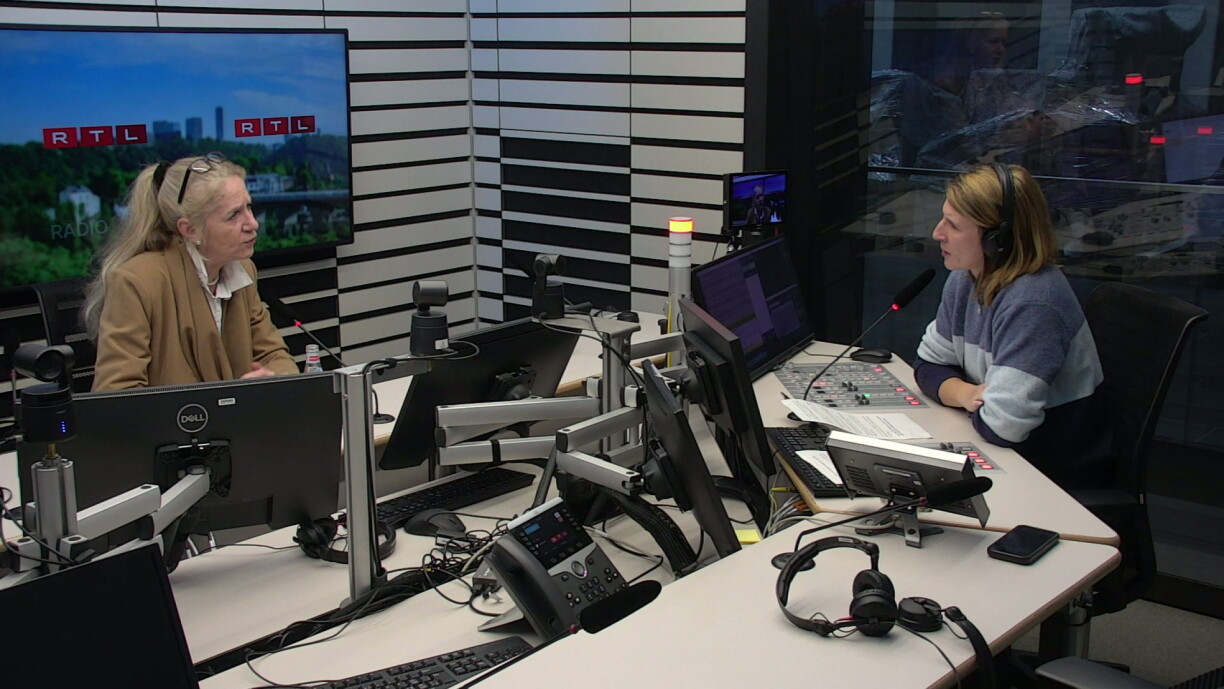
According to Martine Kirsch, President of the NGO ZEFI (Zesumme fir Inklusioun), many carers reach their limits and often feel isolated. Kirsch highlighted on Tuesday's programme that these individuals frequently struggle to balance care responsibilities with other aspects of life and receive insufficient support.
Kirsch is calling for the introduction of an official status for family carers, along with better financial and social protection and more reliable support services. She emphasised the urgent need for clearer rights and improved structures to help carers navigate their responsibilities.
Family caring does not only mean providing around-the-clock care for a severely ill family member. It often begins with everyday tasks, such as daily shopping for a grandmother, helping out at home, supporting a sick partner, or caring for a child with disabilities.
While the exact number of people in Luxembourg fulfilling such roles is unclear, Kirsch referred to the over 18,000 beneficiaries of the long-term care insurance scheme as a reference point. However, she noted that this number does not cover all carers – especially those providing many hours each week, or even 24/7 support, underscoring the lack of concrete data on carers in Luxembourg and the need for comprehensive statistics.
Anyone can unexpectedly find themselves in a caring role due to illness or changes in family circumstances. Kirsch described how people are often left confused and uncertain, not knowing where to turn, what support is available, or how to apply for help. This lack of guidance can leave new carers feeling overwhelmed and alone.
At a recent conference on Thursday, 29 October, carers from different backgrounds, including parents of children with disabilities and those caring for partners, shared their daily struggles. Burnout, inadequate support, and financial difficulties were recurring themes.
Kirsch recounted a particularly tragic testimony involving a suicide in a family who felt abandoned by the system. Many carers are unable to combine work and care in the long term, sometimes having to reduce their working hours or leave employment entirely, which has immediate consequences for their income and longer-term effects on their pension and ability to return to work in the future.
Kirsch also criticised the reliability of some support services, claiming that carers sometimes wait for staff who arrive late or not at all, yet the services are still invoiced. She cited her own experiences to highlight the issue.
"I was affected myself because I was entitled to seven hours of care per week, and I received no care, yet all of it was invoiced. And I think that is almost €45,000 that were paid and never actually provided.”Martine Kirsch, president of the NGO ZEFI
Short respite breaks are meant to provide carers with a chance to rest, allowing another person to take over for a period, whether by going for a walk with the cared-for person or running an activity with a child. However, even organising such breaks remains a challenge.
If a carer falls ill or needs time to recover, finding short-term relief can be extremely difficult. So-called "lits de répit", temporary beds in institutions or care homes, are often fully booked with long waiting lists, and even in emergencies places are not always available, Kirsch explained. Many carers also struggle with feelings of guilt when they leave a family member in a care facility for a few days, but such respite can be essential for their own health and well-being.
A key demand from the association is the creation of an official status for family carers. This would not only offer social recognition but also concrete rights, protection, and financial security. People unable to work because of care responsibilities should receive appropriate remuneration, as long-term care insurance alone is insufficient.
Beyond direct care, administrative tasks, accompanying loved ones to appointments, and the ongoing organisation of daily life also require time and effort, and should be recognised as valuable work.
There is also a call for more understanding and flexibility in the workplace. Kirsch highlighted cases where people experienced problems or even dismissal because they arrived late due to caring duties or had to leave work at short notice. She gave examples such as delays with mobility services or situations where parents had to pick up their child from a specialist centre due to a crisis. More flexible working conditions could help carers manage such situations.
ZEFI is working alongside five other organisations in a collective effort. Following the first conference, three more are planned, with the next taking place in spring and focusing specifically on the political dimension. Kirsch expressed hope for support from Max Hahn, who attended the first discussion.
In parallel, further testimony videos from carers are being published on YouTube. Those affected can contact the association or its partner organisations for guidance or to share their experiences. For Kirsch, everyone now needs to assume responsibility to ensure that nobody feels left alone with their situation anymore.
The Invité vun der Redaktioun interview airs every weekday at 8am on RTL Radio Luxembourg and livestreams on RTL.lu and the RTL app (audio and video). The programme is also available for replay on RTL.lu and RTL Play.