Here are five things you should know at the end of this week:
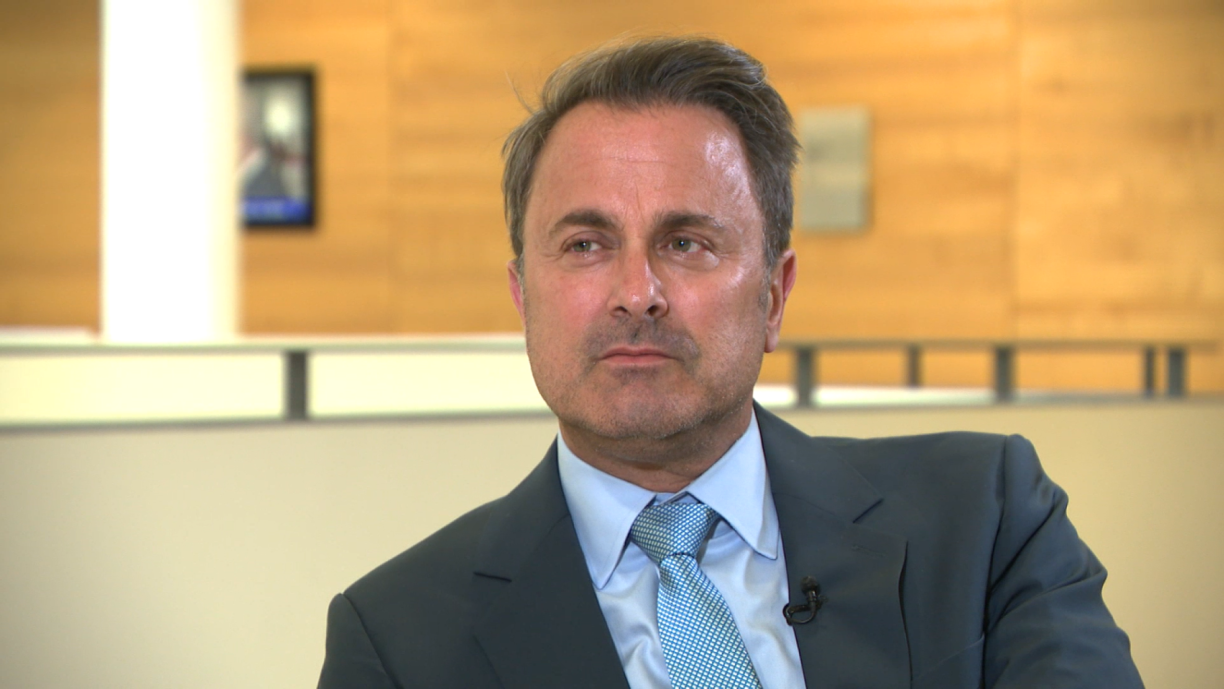
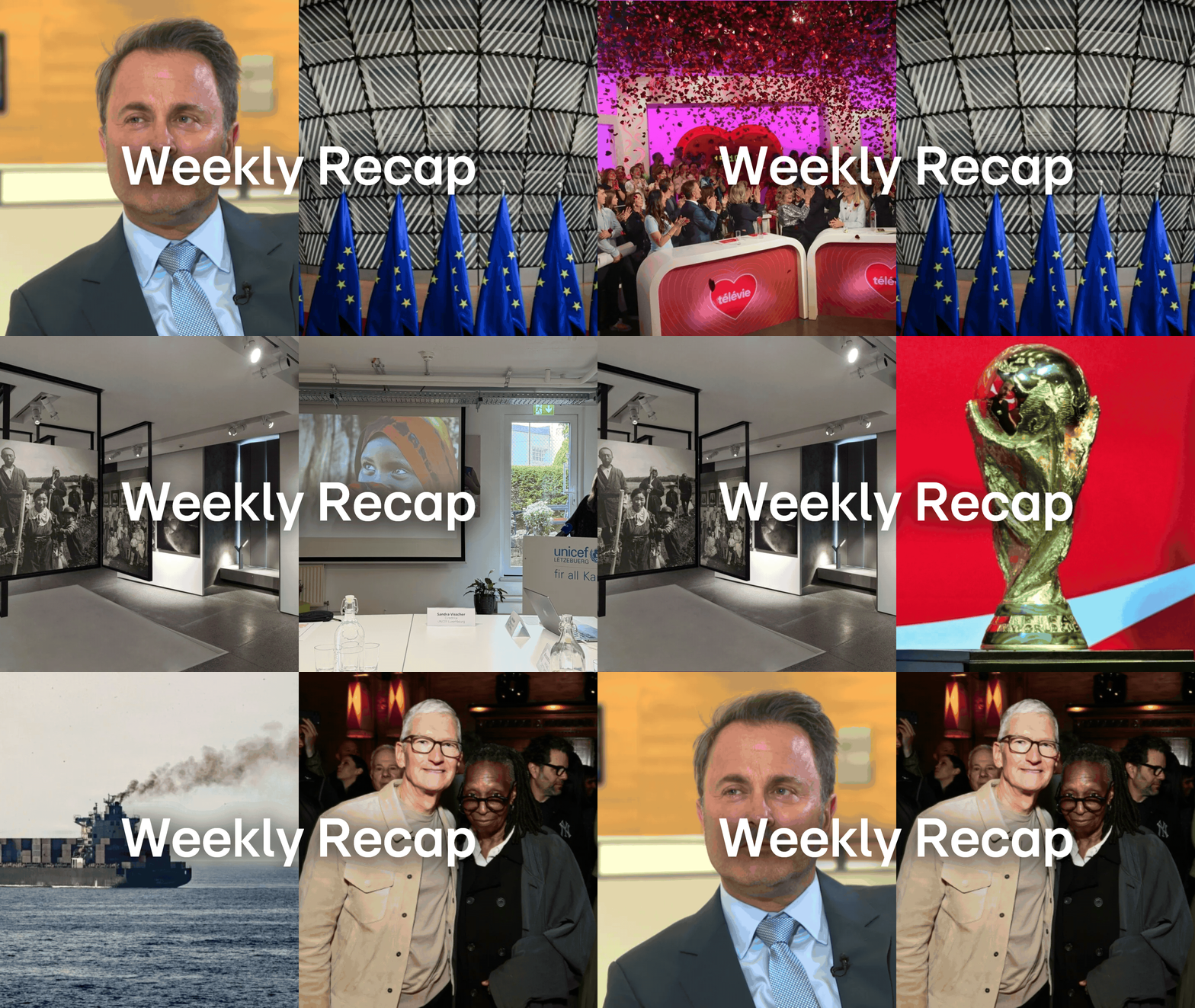
'Second Gaza' – Foreign Minister Xavier Bettel has warned of a "second Gaza" occurring in Lebanon. Speaking after a meeting of EU foreign ministers in Luxembourg on 21 April, Bettel underscored that it is not for Israel to decide what happens in Lebanon or to unilaterally establish a buffer zone. He pointed out the EU's consistent opposition to Russia's occupation of Ukrainian territory, arguing that it would be unacceptable to turn a blind eye to similar actions by Israel.
Sanction-shy EU – Bettel signalled his willingness to back EU sanctions against Israel, but noted that six EU countries continue to block any measures against the country. According to AFP, suspending the entirety of the EU's cooperation agreement requires unanimity among the bloc's 27 countries and would almost certainly be blocked by allies of Israel.
More feasible could be suspending the part of the deal facilitating closer trade ties, a move that only requires support from a weighted majority of EU countries. However, this would require a shift in position from EU heavyweights Germany or Italy.
Strait talk – Turning to the conflict in Iran, Bettel acknowledged that the situation is highly complex, highlighting the strategic importance of the Strait of Hormuz. He noted that political measures, including a multinational initiative to secure the waterway, have been taken, and suggested Luxembourg could offer support through satellite monitoring.
However, Bettel cautioned that the mission must not become a NATO operation, insisting the initiative is defensive only and that Europe must avoid being drawn into a war it does not seek, even in the face of intensive US pressure.
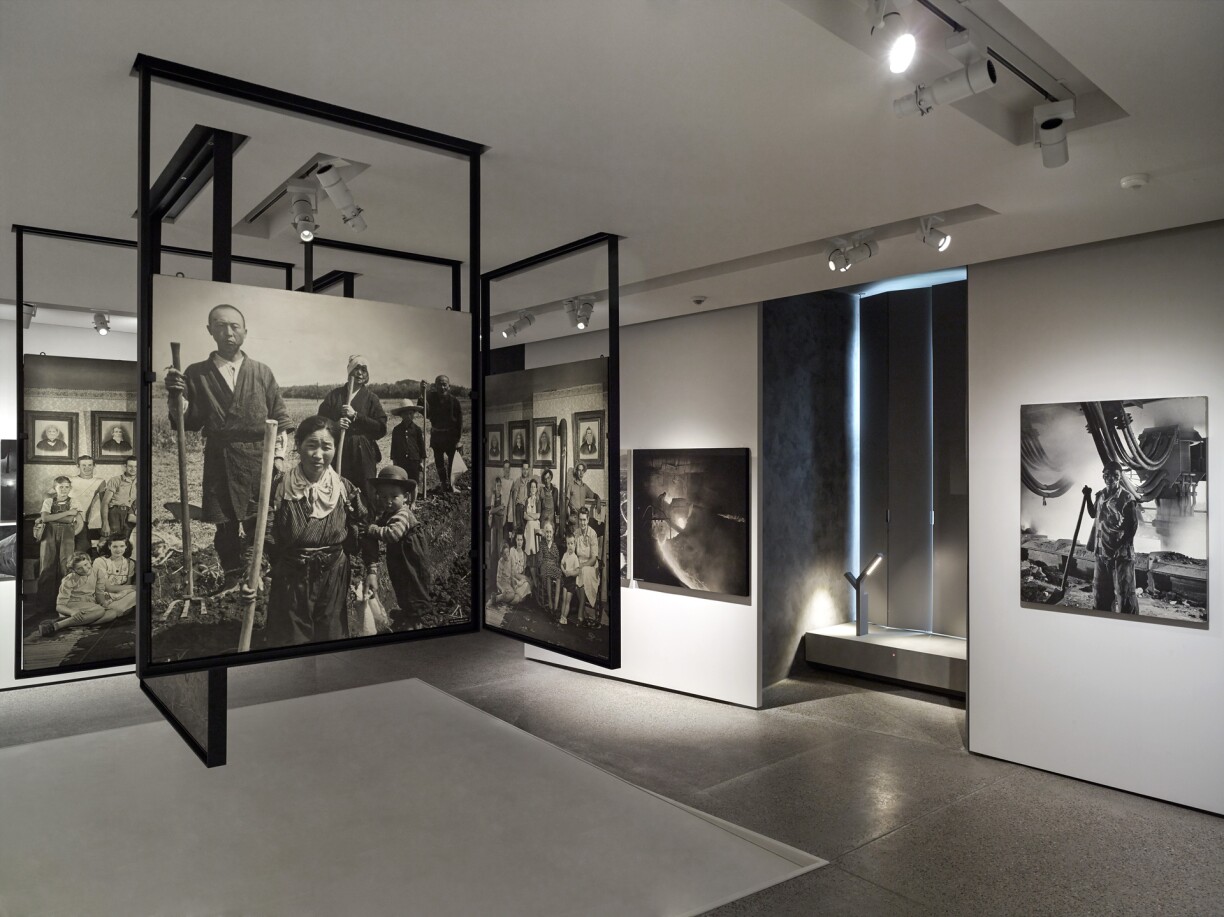
Zeimet resignation – The Family of Man saga has brought a formal end to CNA director Gilles Zeimet's tenure. Zeimet handed in his resignation to the Culture Ministry on 22 April, an hour before Culture Minister Eric Thill was due to appear before the parliamentary Committee on Culture.
Zeimet was already facing bullying allegations by CNA staff, which he denied. However, the controversy that sealed his fate was being accused of falsely representing the environmental data monitoring the conditions in which the Family of Man exhibition photographs were kept.
Facts are facts – Earlier that day, Left MP Marc Baum published a damning 60-page analysis of temperature and humidity measurements recorded at the Family of Man exhibition in Clervaux. MPs accused the director of using average values across all rooms, which masked the true extent of the problem.
RTL's own analysis confirmed that humidity thresholds were surpassed for far longer than the mere minutes claimed by the Culture Minister and Zeimet. In some rooms, humidity exceeded safe levels on up to 95 days, with readings spiking to nearly 80%, raising serious concerns about potential damage to the historic photographs.
Ministerial mea culpa – Culture Minister Eric Thill used the committee meeting to retract an earlier statement to RTL, admitting he had misrepresented the duration of humidity limit breaches. Thill apologised for claiming the exceedances lasted only minutes, acknowledging his error.
While MPs welcomed the CNA director's resignation and the minister's retraction, Left MP Marc Baum, who arguably led efforts to hold leadership accountable, warned that he would be less lenient towards any future factual misrepresentations attempting to mislead the Chamber. Going forward, the Family of Man exhibition is to be equipped with a more robust monitoring system, and an interim support committee will take over until a successor for Zeimet is found.
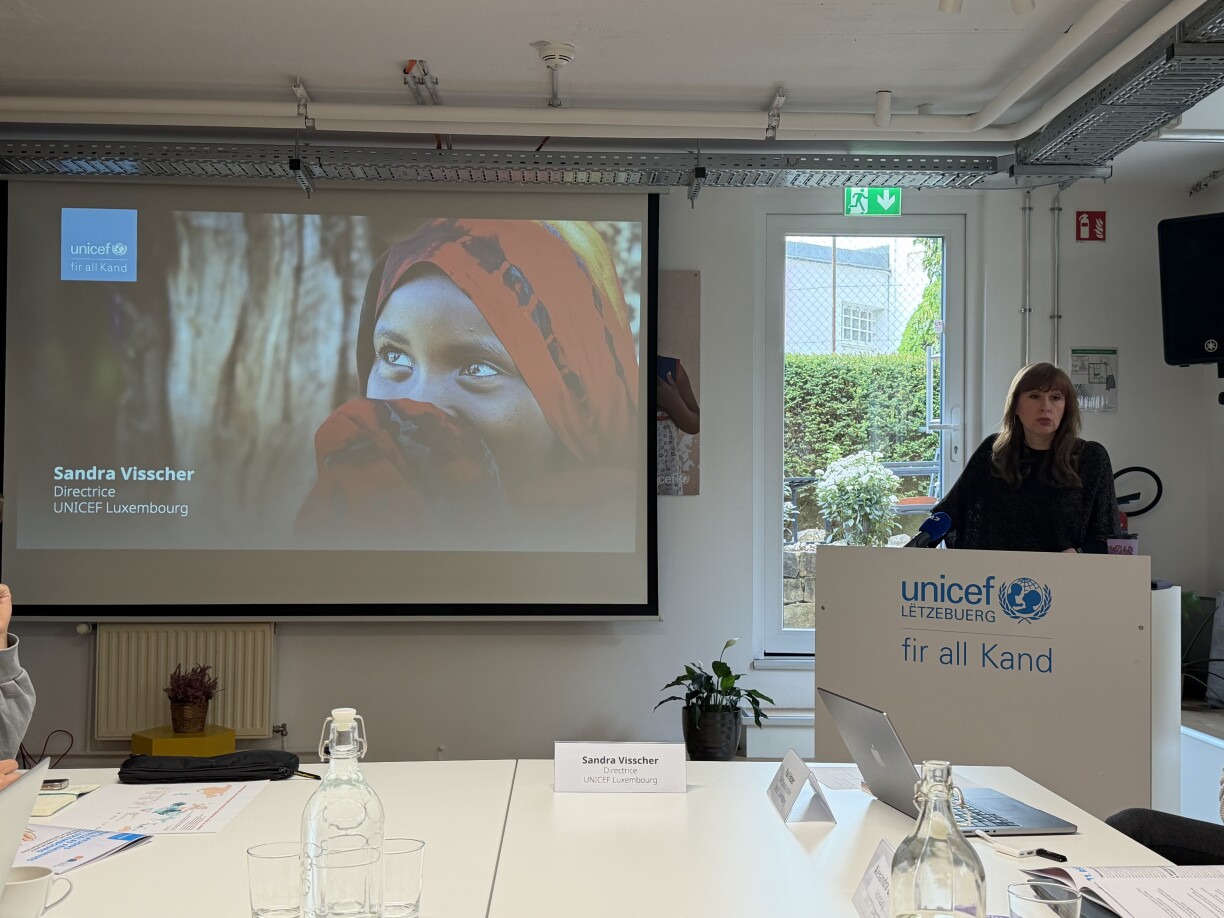
Striking numbers – On 21 April, UNICEF Luxembourg published a groundbreaking first study estimating the number of girls and women affected by or at risk of female genital mutilation (FGM) in Luxembourg. According to the report, around 3,300 girls and women living in Luxembourg are affected by this issue, either having already undergone the procedure or being at risk. Of these, approximately 2,200 have already experienced it, while about 1,100 are girls and adolescents considered at risk, according to the study carried out with GrewIA.
Behind the data – The study uses a methodology adapted to Luxembourg's context, combining data from the national population register and international prevalence statistics provided by UNICEF and the World Health Organization. The study aims to provide reliable overall estimates to better guide public policy and prevention actions, according to GrewIA co-founder Dr Ivan Nourdin. Pascale Zaourou, coordinator at the Luxembourg Group for FGM Abolition (GAMS), emphasised that "prevention efforts must be tailored, inclusive, and developed in partnership with the communities concerned".
Global scale – Luxembourg's findings sit within a deeply troubling global picture. More than 230 million girls and women worldwide have undergone FGM, with around 4 million girls at risk each year. Most cases are concentrated in Africa, affecting 144 million girls and women and in countries such as Somalia, 99% of women aged between 15 and 49 undergo the procedure.

Toll collected – A senior Iranian parliament official confirmed on 23 April that Tehran has received its first revenue from tolls imposed on the strategic Strait of Hormuz in its war with the US and Israel. Deputy speaker Hamidreza Hajibabaei announced that the "first revenue received from the Strait of Hormuz tolls was deposited into the Central Bank account", according to Tasnim news agency.
Iran vowed it would not reopen the Strait of Hormuz as long as the United States continues to blockade its ports. US President Donald Trump intensified pressure on Iran, declaring that the US would "shoot and kill" any vessel laying mines in the Strait of Hormuz.
Trump's order – Separately, the US Navy intercepted sanctioned stateless tanker M/T Majestic X, which was carrying Iranian oil, while US Central Command reported directing 31 vessels to turn around or return to port with the majority complying. A Pentagon assessment said it could take six months to completely clear the Strait of Hormuz of Iranian-laid mines, which could keep oil prices high, the Washington Post reported on Wednesday. Iran has effectively closed the crucial waterway since the US and Israel launched strikes against the country, sharply driving up oil and gas prices globally.
Press targeted – Israeli airstrikes in southern Lebanon killed veteran Al-Akhbar correspondent Amal Khalil and wounded freelance journalist Zeinab Faraj, despite an active ceasefire. Lebanon's Information Minister Paul Morcos condemned the strikes as "a grave crime and a blatant violation of international humanitarian law".
When contacted by AFP on Thursday, an Israeli army spokesperson said "the incident is still under review". The ceasefire, in place since 16 April and recently extended three weeks, pauses a war that has killed over 2,400 people in Lebanon.

Vital funds for Kyiv – EU ministers gave green light to unblock a €90 billion loan for Ukraine, after a months-long row between Kyiv and Budapest was finally resolved. Zelensky has said the €90 billion will be used to "strengthen" the Ukrainian army, boost production in air defence, and protect the country's energy grid. He hopes the money will be disbursed by late May or early June at the latest.
Hungarian deadlock – The breakthrough follows a protracted standoff between Hungary and Ukraine over repairs to the Druzhba oil pipeline, damaged by a Russian strike. Hungary's outgoing Prime Minister Viktor Orbán had refused to back the EU loan until Russian oil deliveries resumed via the Soviet-era pipeline, accusing Kyiv of delaying repairs.
With Ukraine now restarting flows to Hungary and Slovakia, the main obstacle to the financial package has been removed. In addition, the war in the Middle East has sharpened focus on oil supplies, with countries seeking ways to ease prices.
Renewed Russian sanctions – Alongside the loan, EU countries also gave preliminary approval to a new round of sanctions targeting Russia's energy, banking, and trade sectors. This marks the 20th package of EU sanctions since the war began in 2022. Zelensky is expected to join an EU leaders' summit in Cyprus. Zelensky has urged the EU to begin ratcheting up sanctions on Moscow again at a time when US President Donald Trump has eased pressure on the Kremlin by temporarily extending a sanctions waiver allowing the sale of Russian oil already at sea.
Your Weekly Recap is published every Friday at noon.
Read earlier versions here.





