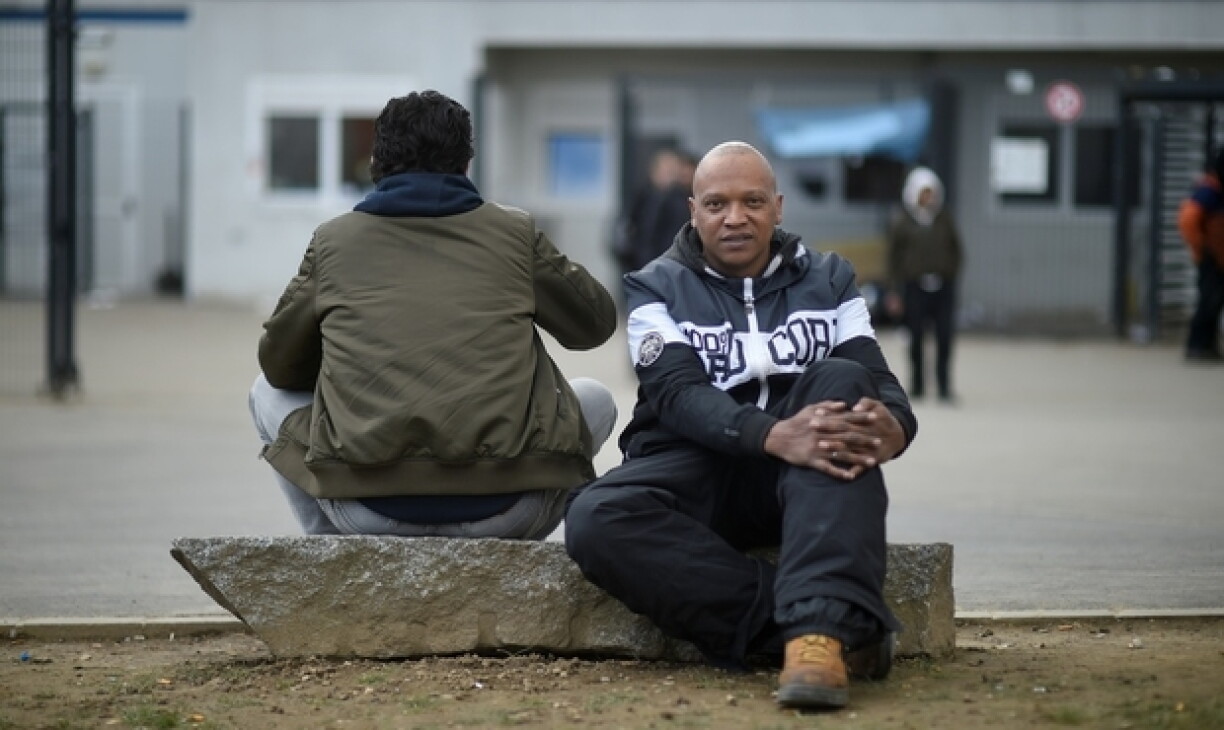
The title of the article published in the 11 March edition of the Libération newspaper sets the tone: "Les "petites gens" du Grand-Duché" (The Grand Duchy's "little people").
The French daily newspaper presents the story that Luxembourg prefers to hide, which is that poverty is on the rise.
The newspaper co-founded by Jean-Paul Sartre vehemently tears into the "futuristic" neighbourhood of Kirchberg, highlighting its home to banks and investment funds.
The paper lashed out against these banks and institutions, claiming they are legally able to avoid their own countries' fiscal laws and can put up some of their employees in penthouses costing up to €1.5 million. This in turn exacerbates the plight of ordinary people, who fall victim to rising housing costs.
The propensity of banks to set up base in Kirchberg, which the newspaper describes as "growing like mushrooms", in turn accentuates poverty and discourages affordable housing.
The newspaper explains that housing prices in Luxembourg City rise by 8% each year.
Between 2009 and 2017, the sale of an apartment has risen from €4,000 per square metre to €7,000 per square metre.
The newspaper also cites an educational employee at the drug consumption room, Abrigado, who explains that an 8 square metre room with a shared shower and no kitchen in a village 30 kilometres away costs €700 a month to rent. Transport links are also poor, with buses only arriving every two hours.
The article used official statistics from Statec to suggest that Luxembourg is one of the few countries that has experienced a constant rise of the risk of poverty since 2005.
Referring to the country's GDP (which is the highest worldwide alongside Qatar and Macao), the newspaper calls it a false GDP as it includes the 175,000 cross-border workers.
In an interview with the paper for the article, the defense lawyer of LuxLeaks whistleblower Antoine Deltour, Philippe Penning, explained that Luxembourg is not just a hotspot for economic crime.
Penning says that in his career as a lawyer, he has seen "theft, rape, murder, and a lot of poverty." Penning affirmed that the gap between the rich and the poor is only growing in Luxembourg.
The article also surveys OGBL trade unionist Jeannot Kayl, who believes that "young Luxembourgers dream of easy money in the finance sector", and added that foreigners are hesitant to move to the country because of the cost of living [editor's note: this does contradict earlier reporting on Luxembourg's growth demographics as reported by Statec].
The newspaper returned to Abrigado, highlighting the issue of narcotics. According to Didier Schneider, the joint director of the National Social Defence Committee, Luxembourg's substance abuse demonstrates that Luxembourg is a real country with real issues, rather than a tax-haven made up of post boxes.
He went on to say that many believe Luxembourg is a type of El Dorado myth, but do not realise that a salary of €2,500- €3,000 makes you a "poor worker."
Poverty: Catholic Church concerned about growing gap between the rich and poor
Poverty: Luxembourg's working young at second highest risk of poverty in the EU
"Only the drugs help me forget": inside Luxembourg's drug consumption room





