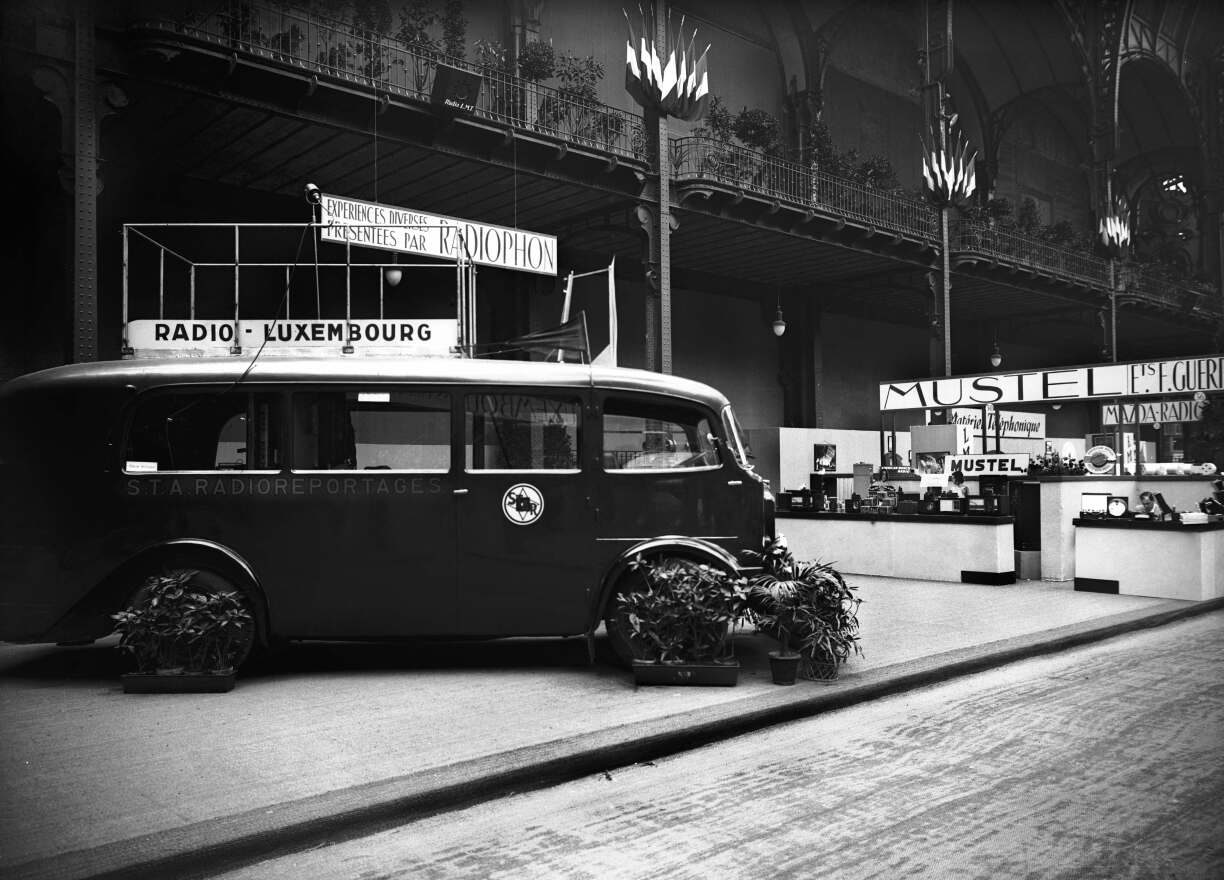
An immersive exhibition exploring the legacy of Radio Luxembourg has sold out, highlighting renewed public interest in the broadcaster's pivotal role in shaping European media, according to historian Dr Dominique Santana. 'Ghosts of the Villa', staged at the historic Villa Louvigny in Luxembourg City, invites visitors to step inside the former headquarters of Radio Luxembourg and experience its history through sound, storytelling and archival material.
The exhibition has proven so popular that all available tours are fully booked, with organisers now considering extending its run to meet demand. "We are indeed fully booked, but we have waiting lists and may add one or two extra days", said Santana, a researcher at the University of Luxembourg's Centre for Contemporary and Digital History, in conversation with RTL.
The strong response reflects the unique appeal of the site itself. Hidden in a park in the capital, Villa Louvigny is widely regarded as a "place of memory" where key chapters of European broadcasting history unfolded. Visitors are particularly drawn to the opportunity to physically explore the building where Radio Luxembourg once operated.
"What fascinates people most is really being in that place and discovering what happened there", Santana explained.
The exhibition forms part of a broader research project led by the University of Luxembourg in collaboration with audiovisual partners, aiming to document and reinterpret the impact of Radio Luxembourg across Europe. Alongside the exhibition, the project includes a dedicated website, a podcast series, and a forthcoming documentary film.
Radio Luxembourg played a unique role in 20th-century media, particularly in the 1920s and 1930s when radio emerged as a mass medium. While many European governments moved to nationalise broadcasting, Luxembourg took a different path by granting a licence to a private, commercial broadcaster.
At a time when commercial radio was banned in countries such as France, this decision allowed Radio Luxembourg to operate outside strict state control. The station quickly gained a wide international audience by broadcasting across borders, reaching listeners in countries where national regulations limited programming choices.
Unlike state broadcasters such as the BBC, which adhered to stricter content guidelines, Radio Luxembourg tailored its programming to audience demand. Its commercial model, funded by advertising, encouraged a more responsive and entertainment-driven approach.
Because of this, music that was restricted or underplayed elsewhere, including early pop and rock, found a platform on Radio Luxembourg. "Everything that was not broadcast elsewhere was played here", Santana said, noting that this helped the station build a large and loyal audience.
Beyond entertainment, the station transformed daily life by becoming a "daily companion" for listeners, Santana explains. Radio evolved into an everyday presence in homes, shaping habits, tastes and cultural connections across borders.
Luxembourg's geographical position and regulatory flexibility were key to this success. With a broadcasting monopoly in the country until 1991, Radio Luxembourg was able to transmit widely across Europe at a time when other nations lacked the infrastructure or permission to do so.
Its signal reached as far as the United Kingdom and Eastern Europe, making it a transnational media phenomenon.
The exhibition seeks to bring this history to life through an immersive format. Visitors wear headphones as they move through the building, listening to archival recordings and interviews with former radio personalities. "The walls start to speak", Santana said, describing the experience as a journey into the soundscape of 20th-century radio.
Among the most striking elements of the exhibition are personal letters sent by listeners. These documents offer insight into the emotional connection audiences had with the station, as well as the political risks involved in tuning in from certain regions.
Santana highlighted letters discovered in German archives that had been confiscated by East Germany's Stasi secret police during the Cold War. In the German Democratic Republic, listening to Radio Luxembourg was forbidden, yet some young listeners still wrote to the station.
"These are letters from teenagers who just wanted to listen to music and radio, and they were monitored", she said. The stories have resonated strongly with younger visitors, many of whom are surprised by the restrictions their peers once faced.
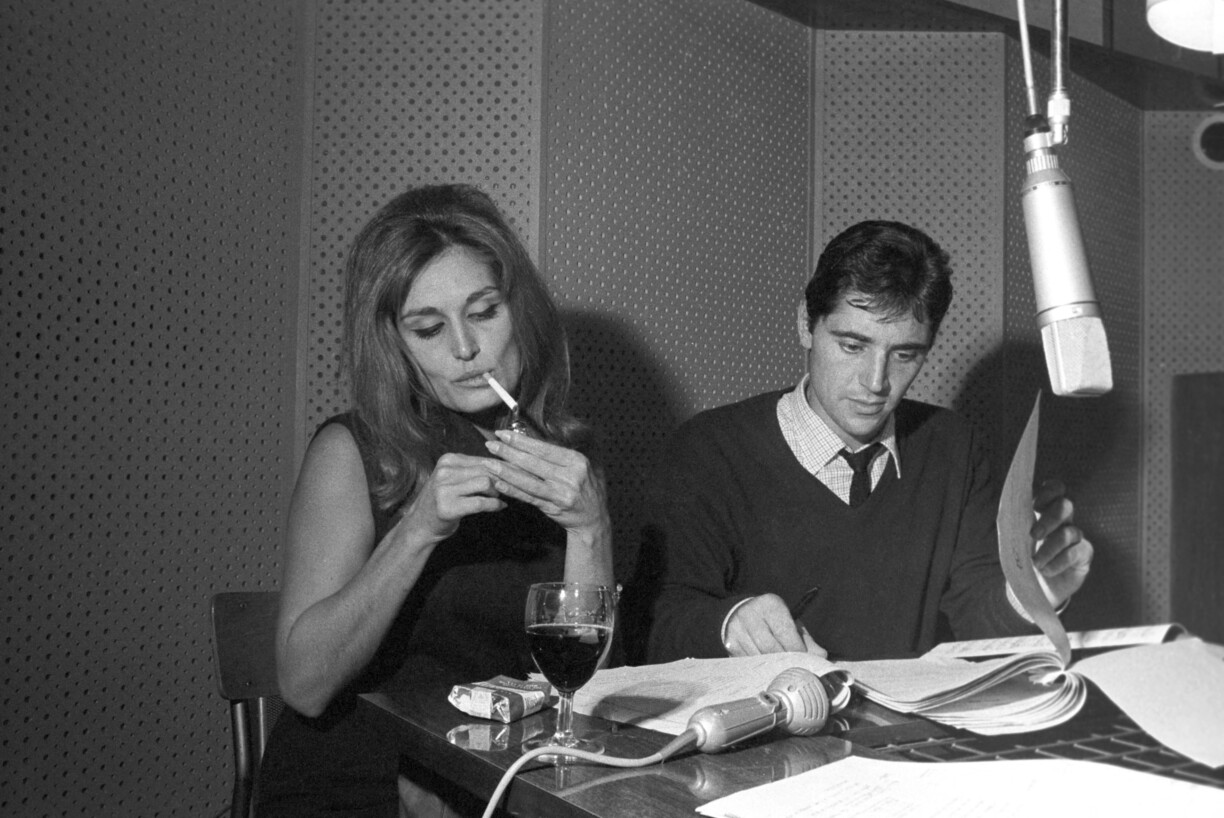
The exhibition also draws parallels between past and present media cultures. Radio presenters of the time, particularly disc jockeys, are nowadays compared to modern social media influencers and rock stars. They built personal brands, promoted products, and connected directly with audiences, often extending their presence beyond the airwaves.
"There are clear parallels between DJs, who were like rock stars, and today's influencers", Santana noted.
While the media landscape has changed dramatically with the rise of streaming and social media, Santana argues that underlying structures remain similar. The exhibition encourages visitors to reflect on how mass media continues to shape consumption and influence behaviour.
Despite the dominance of digital platforms, radio itself has not disappeared. Santana said she regularly asks school groups whether they still listen to radio, and is often surprised by the response.
"About a third of them raise their hands", she said, adding that young listeners typically tune in while driving or at home, often choosing stations that align with their musical tastes – such as Eldoradio.
However, one key aspect has faded: the shared, live listening experience. That sense of everyone listening to the same thing at the same time is less present today, Santana explained, pointing to the shift towards on-demand content such as podcasts and streaming services.
Although the exhibition is currently sold out, interested visitors can still join waiting lists. Organisers are also exploring ways to take the exhibition beyond Villa Louvigny, potentially bringing the experience to new audiences in the future.





