While the money that member states send to the EU each year is frequently used as a point of criticism, many people are unaware just how much Luxembourg actually benefits from EU funds.
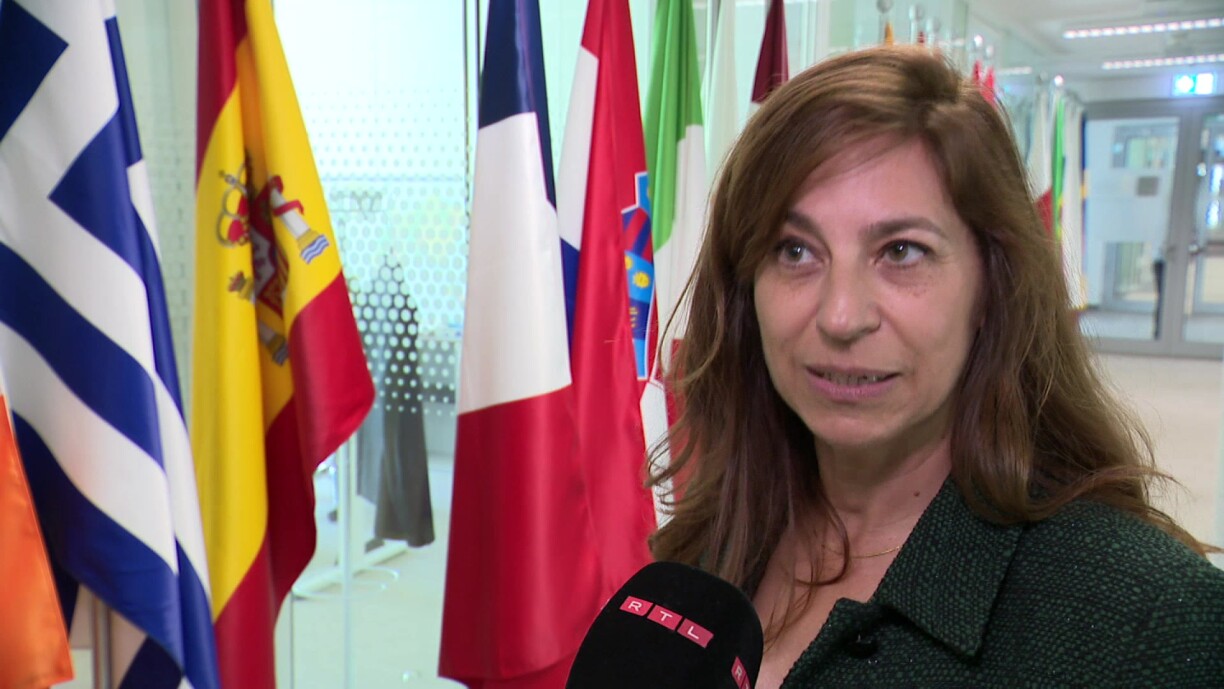
Luxembourg pays approximately €500 million to the EU annually. At the same time, however, significantly more flows back into the Grand Duchy, according to Anne Calteux, Representative of the European Commission in Luxembourg. The country receives around €2.5 billion in return – through European programmes, funds, and institutions.
A portion of these funds is invested in social projects, training, and digitalisation. Other money goes towards research and the green transition – for example, into electromobility and sustainable infrastructure. Innovation and artificial intelligence are also supported through European programmes.
One concrete project benefiting from this support is Caddy. In this therapeutic workshop, food that would otherwise be thrown away is collected. These products are then processed and distributed to social restaurants and associations.
At the same time, the project serves as an important source of help for people who face difficulties integrating into the labour market. Around 60 people currently work here, either in logistics or in the kitchen. Many of them have had a difficult past or are seeking a fresh start in their professional lives.
"People with very different profiles work here. Our task is to reintroduce them to the daily routine of working and to accompany them back into the working world," explains Christophe Rose, kitchen educator at the homeless support charity Stëmm vun der Strooss.
Beyond the social aspect, the project also aims to combat food waste. On average, 20 tonnes of food are rescued here every month. In 2025, the total reached around 360 tonnes.
This has been made possible through support from the European Social Fund Plus. As Bob Ritz from Stëmm vun der Strooss explains, the EU has supported the project with approximately €95,000 over two years. Without this funding, it would not have been possible to process such large quantities of food or offer these individuals new prospects.
For many citizens, however, the impact of European funding is often not immediately obvious. "There is no plaque like on bridges or large schools or hospitals saying that EU money is involved here," Calteux said. Yet these investments bring very concrete benefits to people in their everyday lives – through jobs, training, and new opportunities.
Europe, therefore, is not just a political institution in Brussels, but also a source of aid that directly reaches the people of Luxembourg.





