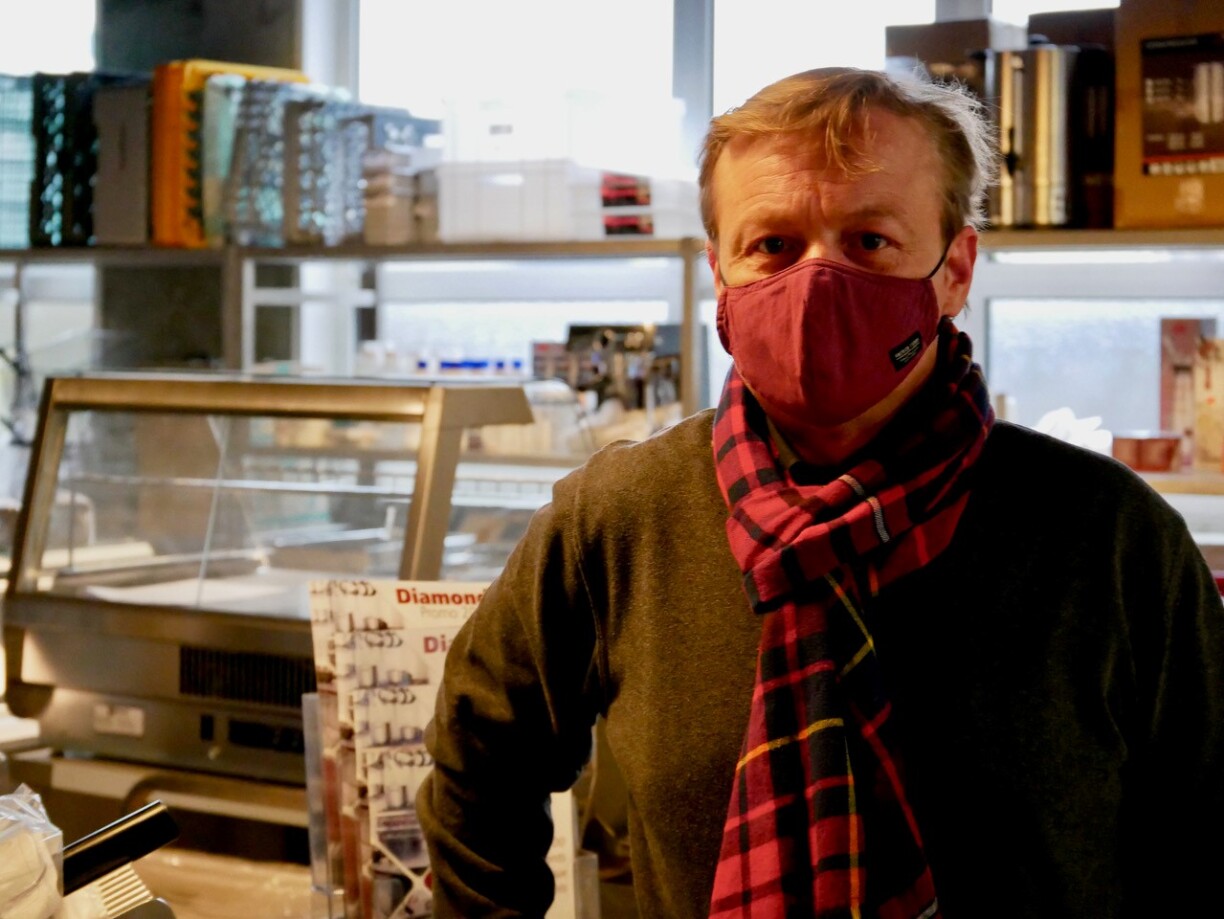
"We work for restaurants. They are closed. Who do you want us to work for?" asks Mich Herber, boss of Herberlux, a kitchen supply store. For decades, the company has been selling and installing all the equipment and materials that chefs need in their professional kitchens: open fires, ovens, planchers, but also cold rooms or tunnel dishwashers.
But those were the good old days, before a global pandemic shut the doors of restaurants around the world. Based in Strassen, the supplier has closed down due to "technical unemployment from 01/12/2020 to 15/01/2021", as posted on the door of the shop. Out of six employees only one assists customers for eight hours a week.
Closed since 26 November, restaurants and cafés will not be open for business until mid-January 2021. The new Covid law adopted on Tuesday in parliament extends the partial confinement in Luxembourg by one month, much to the dismay of the hotel and catering sector. Thousands of jobs depend directly on the sector.
"If tomorrow the Horeca had to lay off 2,000 people, 1,600 jobs in the underlying economy would also be destroyed", explains François Koepp, general secretary of Horesca. The sector employs 20,000 people in Luxembourg.
Read: Stephen Lowe - The Hand That Feeds
From his dark office with a muted telephone, Mich Herber has been "palpating" the pulse of the deep crisis that is hitting the sector. "A few days before the second partial containment, I no longer had awaiting payments. They are now coming in dribs and drabs. My good customers pay in two or three instalments. Despite the circumstances, they are showing a certain seriousness". In other words, others are playing dead.
The professional bread slicer, that was almost negotiated by a very large local pastry chef, failed. He "preferred to buy five knives to cut bread by hand. From a bargain of €11,000, I went to €60 including tax," says the Herberlux boss, who has numerous similar annecdotes. Such as the replacement of four thermocouples instead of selling a wok cooker, or the monthly breakdown service of a professional fridge that should be changed.
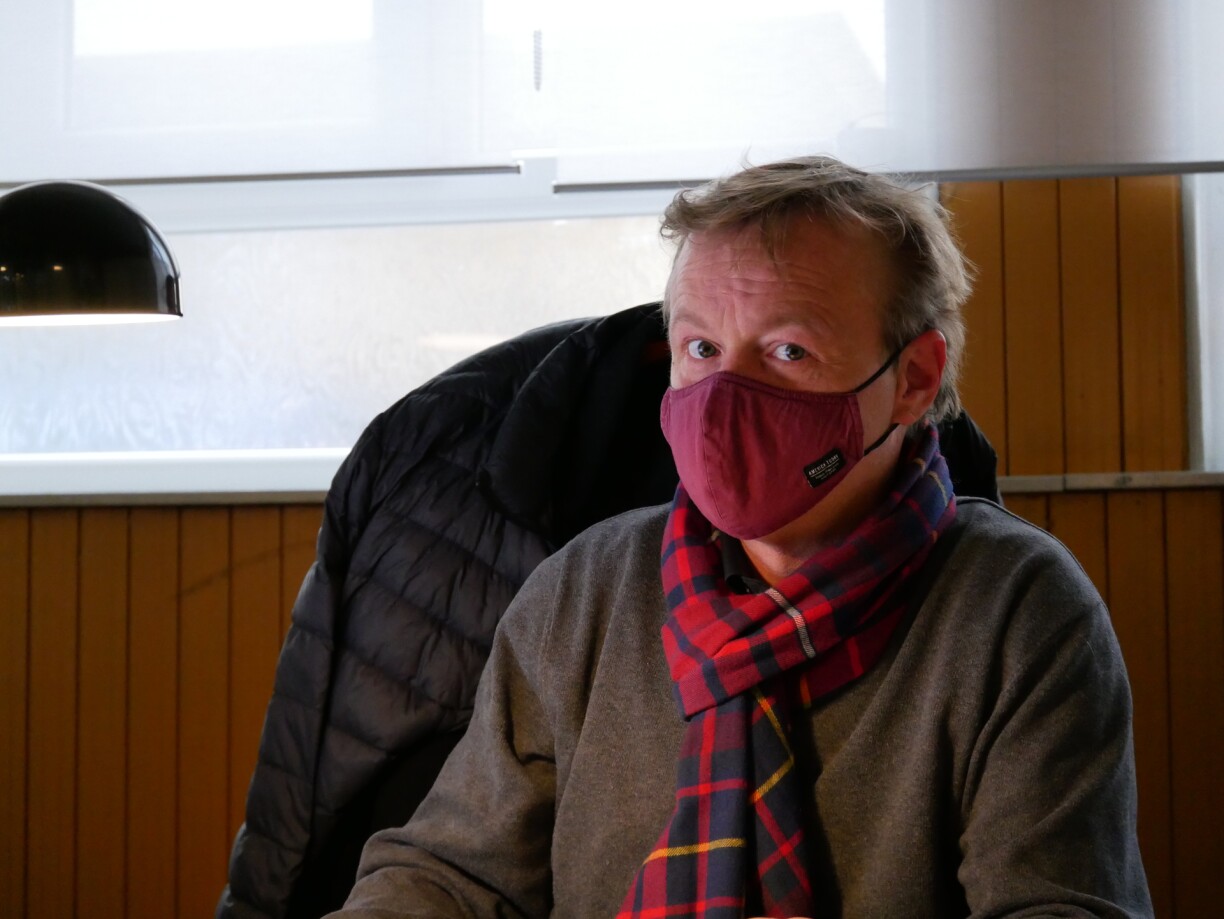
"If you don't have the confidence, you don't have the heart to make investment decisions in new kitchens. This is not at all what my customers are currently targeting. They are simply wondering: where will I be on February 1st," says Mich Herber, who has witnessed the climate of insecurity that prevails.
"In 2020, the loss of our turnover will be more than 60% compared to 2019," he says. On Monday he had to draft a recovery plan. The boss admits to having injected "private funds into the company to stay afloat and keep jobs alive every month". But at the end of 2020, he has to face the facts: "If the restaurant closures last longer than March, I have no chance of survival".
Other trades directly dependent on the hospitality sector are face great difficulties because "as we are service providers, we have not received the same support", explains Ligia Sousa, manager of DL Pressing, which employs two people. Located on Rue de la Paix in Luxembourg City, the dry cleaner, who usually washes and irons tablecloths and towels for restaurants, is going through a "horrible" time at the end of 2020.
.
"Every day is a victory," says Ligia Sousa. "I do a 50€ or 100€ checkout a day with a rent of 2,500€ a month." The calculation is quick. For the time being, Sousa estimates that "30 to 40% of its turnover has been lost since March". It is the retirement homes that allow her to "stand on her own two feet", as she puts it.
The Horeca "is a large economic chain. If you crush one link in the chain, the other will not follow", Koepp sums up.
The decision to keep cafés and restaurants closed "hits the hospitality sector hard. Many establishments find themselves deprived of a significant part, if not all of their revenue, which will inevitably result in a significant increase in the number of bankruptcies and an increase in unemployment", explains Carlo Thelen, general director of the Chamber of Commerce on Tuesday.
In its economic assessment of a year 2020 lead by Covid-19, the Chamber of Commerce estimates that "the Horeca sector, like almost all sectors in great difficulty, will suffer in 2021 from the coupled effect of a rise in the cost of labour and a more or less serious lack of cash".
For the moment "there are barely 1% more bankruptcies than last year. Administrations are starting to leave a certain tolerance for payment delays, as to avoid more bankruptcies", explains the general secretary of Horesca.
A glimmer of hope is very close for the treasuries since this Thursday the bill for the new aid for uncovered costs, which the Minister for the Middle Classes had mentioned in an exclusive 5minutes interview, will be put to a vote by the deputies.
"For the majority of companies it will be something very positive", believes Koepp.





