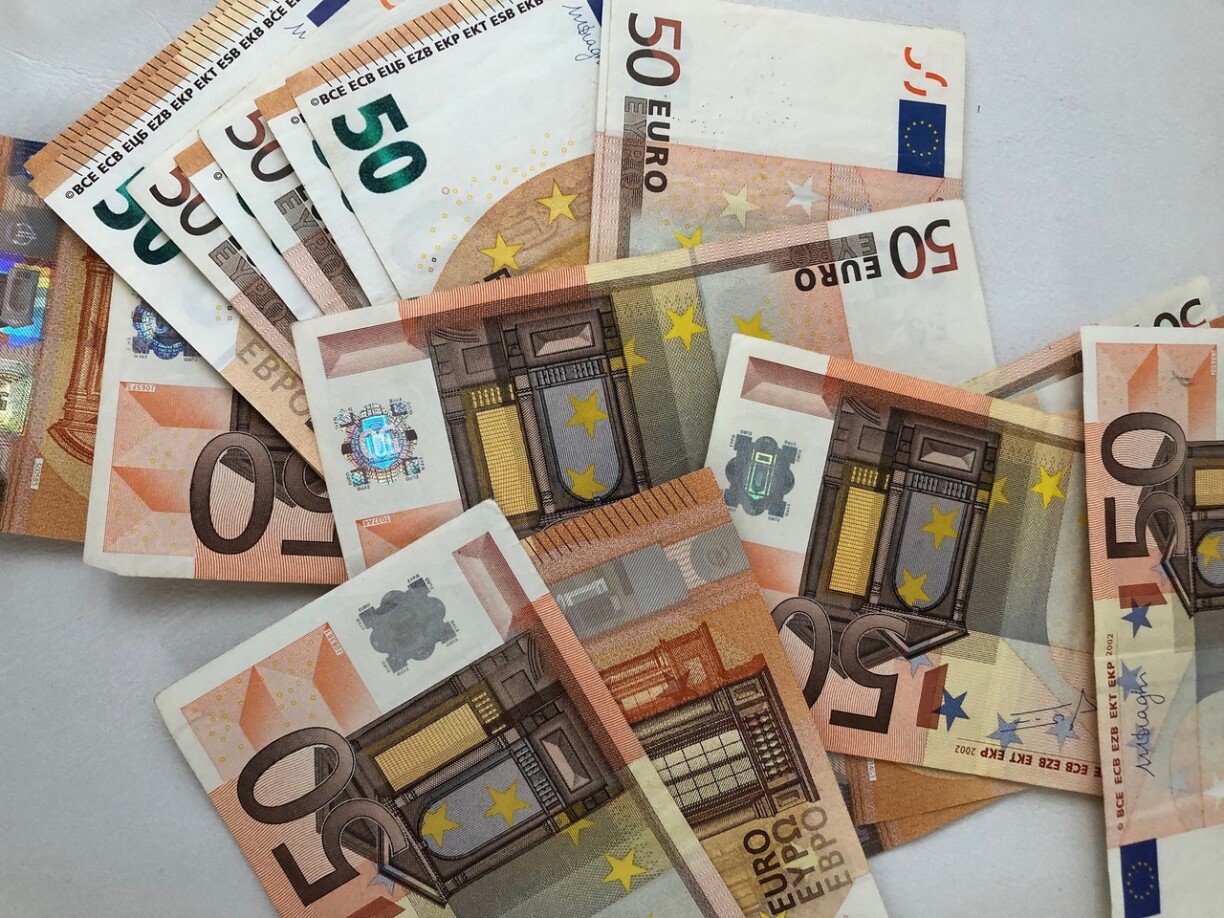
Luxembourg can boast of having proposed one of the most detailed financial aid packages in response to the expected economic crisis. Minister of Finance Pierre Gramegna confirmed to RTL on Saturday that the amount spent on direct aid will be extremely high, reaching a total of €8.8 billion.
Direct aid for both businesses and citizens will amount up to 1.7 billion euros for the next two months, representing three percent of GDP.
The government is also offering a very generous partial unemployment scheme, an expensive but helpful measure which will benefit citizens strongly, especially those who need it most. The minister also sought to remind people that taking leave for family reasons should only be requested if no other solution is possible.
Gramegna could not say whether all companies will survive the crisis, as it depends both on the sector, and on the rate of recovery once the situation returns to normal.
What is certain is that the state will lose money, be it through the various types of financial aid, or by not levying contributions or taxes in the coming months. However, the minister is unable to quantify these losses, nor does he know how they might impact the state budget in the longer term.
The government is allowing itself to borrow up to three billion euros this year, a decision that will be realised in the coming days without too much hassle, says Gramegna. The Grand Duchy benefits from a triple A rating, even with 20% debt.
"If a country can afford it, it's Luxembourg. But it will cost us dearly," said the minister.
Gramegna also praised the efforts of Luxembourg's banks, as they work in tandem with the government to keep credit access as straightforward as possible.
Solidarity will be one of the keys to a post-crisis recovery. The minister also implied that collective leave might have to be cancelled this year.
Finally, he admitted that he had not been very focused on tax reform in the past two weeks, as any planned improvements and deductions would now also depend on the duration of this unprecedented crisis. The longer it lasts, the more it impacts economic development, but for the time being, the authorities are still counting on a loss of between 2.5 and 3%.





