Here are five things you should know at the end of this week:

RTL's allegations – On 13 February, RTL reported that the IAS granted funding to a project submitted by Schymanski in collaboration with a researcher from the Faculty of Science, Technology and Medicine (FSTM). As a researcher at the Luxembourg Centre for Systems Biomedicine (LCSB) and member of the IAS Scientific Council, Schymanski was part of the body tasked with evaluating research proposals. The university’s Code of Conduct prohibits members of decision-making bodies from participating in discussions or decisions where a conflict of interest exists.
No Code of Conduct breach? – In response, the university’s press office stated that Schymanski "recused herself every time her own project came up" and had no knowledge of the discussions that led to its selection. RTL clarified that it did not allege she evaluated her own proposal, but questioned whether participating in deliberations on competing applications while being an applicant herself constituted a conflict of interest. RTL said it had asked both Schymanski and the university to clarify this point prior to publication, but received no answer.
Continuous controversies – The controversy comes amid broader tensions at the University of Luxembourg in recent months, including staff concerns over working conditions, promotion procedures and alleged retaliation, particularly within the Faculty of Law, Economics and Finance. An external audit of the university's governance has since been announced.

What is Overshoot Day – A country’s Overshoot Day marks the date when demand for ecological resources and services exceeds what Earth can regenerate in that year. The calculation takes into account factors such as fuel tourism, mobility and car use, food consumption, housing and freight transport. The indicator is widely seen as a measure of unsustainable consumption and a signal to reassess economic and lifestyle choices. Activist Raymond Klein spoke to RTL this week and pointed to fuel tourism as a major contributor, suggesting taxation could serve as a lever to encourage more sustainable choices.
Just behind Qatar – Only Qatar reached its Overshoot Day earlier, on 4 February. Luxembourg’s date of 17 February remains unchanged from 2025, underscoring the Grand Duchy's persistence of high consumption levels. If everyone worldwide lived as Luxembourg's residents do, humanity would require roughly seven to eight planets to sustain itself. For the remainder of 2026, Luxembourg will be living "on credit", consuming more resources than nature can regenerate within its borders.
Eco efforts under scrutiny – Environmental groups and activists warn that Luxembourg's consumption model is unsustainable and the government must adjust its consumption policies, particularly in the area of mobility. Lifestyle changes can only go so far. Greenpeace Luxembourg representative Gauthier Hansel criticised what he described as the Luxembourgish government’s contradictory rhetoric, noting that Prime Minister Luc Frieden recently praised the European economic model in a speech at Harvard University as promoting growth while respecting the planet’s limits. However, Luxembourg’s early Overshoot Day paints a wholly different picture.
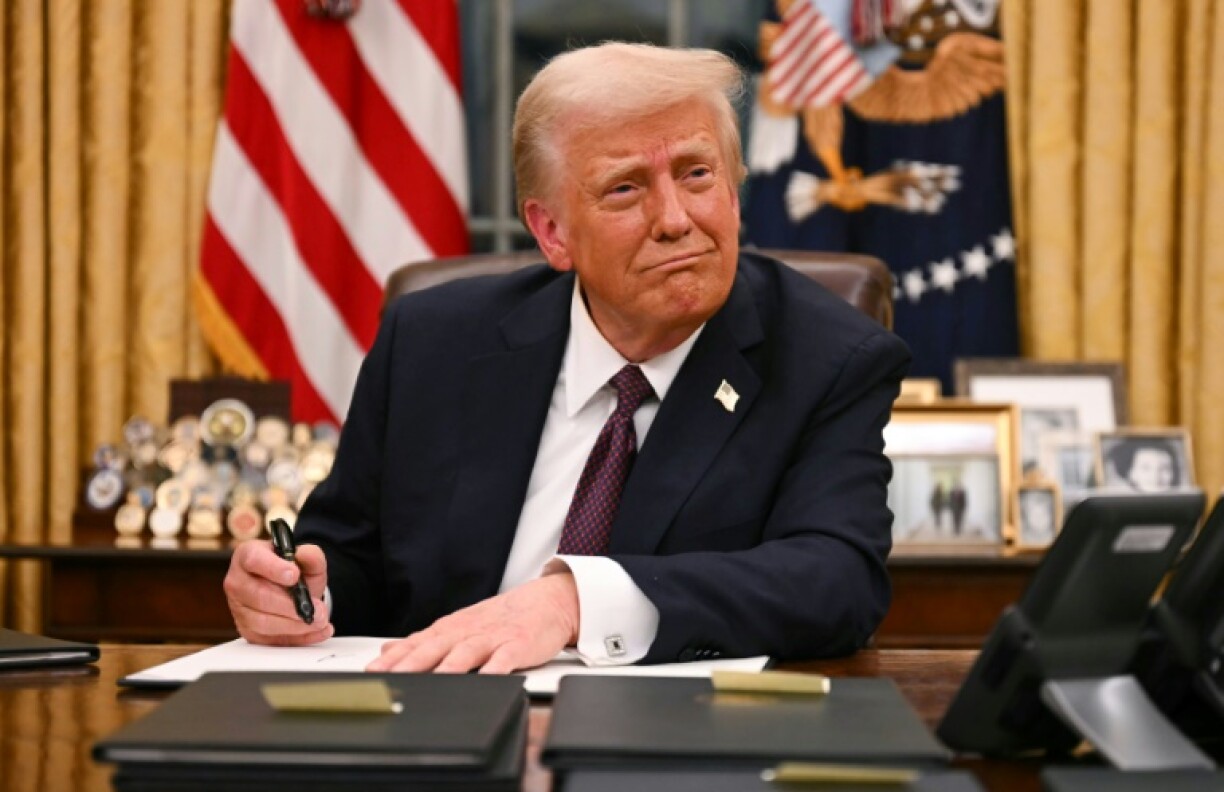
President's Day – One of the most-read stories this week centred on a social media post published Tuesday by the US Embassy in Luxembourg marking Presidents’ Day, the American holiday honouring all presidents of the United States. Officially known as Washington’s Birthday since 1879, the federal holiday also commemorates George Washington, a Founding Father and the country’s first president.
"Greatest President in History" – The Facebook post features a photograph of US Ambassador to Luxembourg Stacey Feinberg alongside President Donald Trump, with the post referring to Donald Trump as the "Greatest President in History."
Not-so-presidential reactions – The post quickly went viral locally, triggering a wave of negative and mocking responses from Facebook users critical of Donald Trump’s policies. From laughing reactions to angry emojis, the majority of engagement was dismissive, with many commenters suggesting the post read like satire. Of the roughly 10,000 reactions recorded, around 500 users clicked "like", while just over 100 responded with a heart emoji.
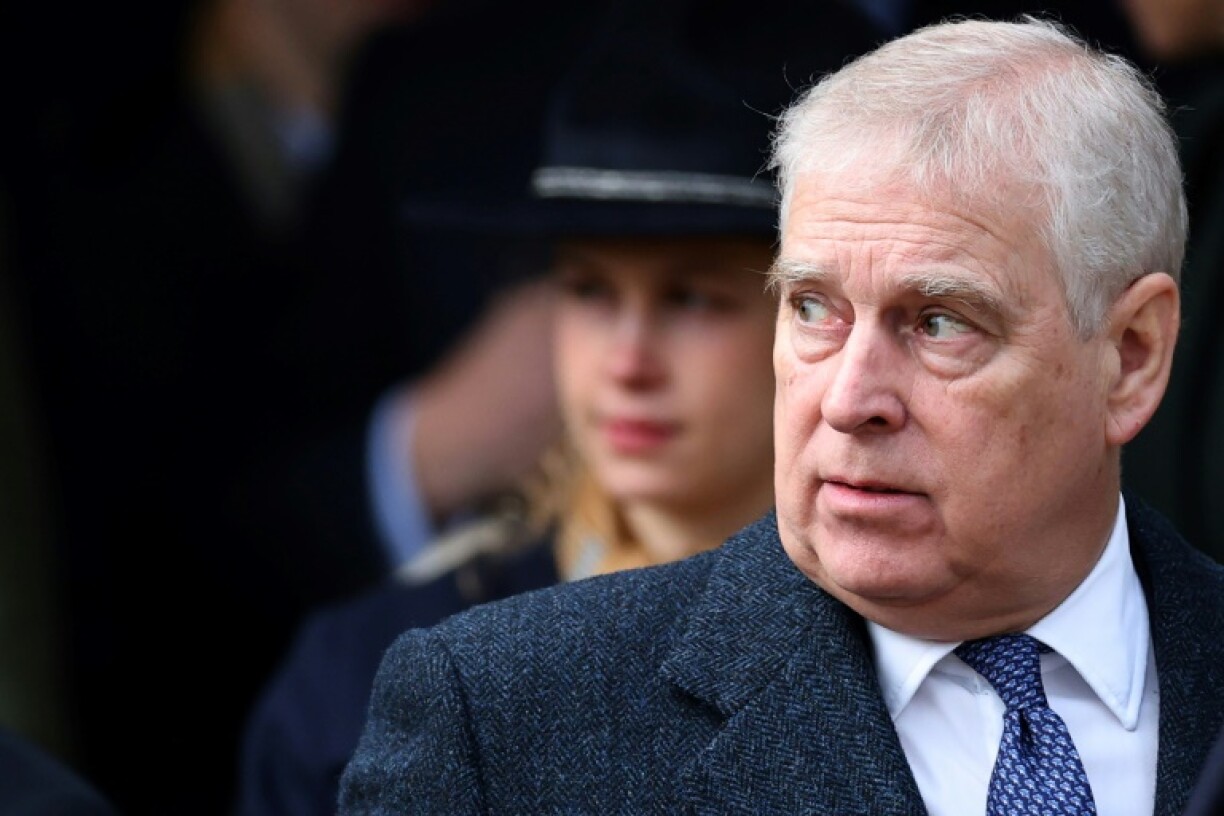
Arrest at Sandringham – Former British prince Andrew Mountbatten-Windsor was arrested on suspicion of misconduct in public office linked to allegations that he provided confidential trade reports to late sex trafficker Jeffrey Epstein in 2010 while serving as special envoy for international trade for the British government. King Charles III unequivocally said in a statement that the royal family would cooperate with the investigation and that "the law must take its course."
Epstein files fallout – Mountbatten-Windsor's arrest follows the release of the latest tranche of millions of files published by the US justice department from the investigation into Epstein, who died in prison in 2019. At least nine separate UK police forces have confirmed they are assessing reports which appear to link the former prince to Epstein. UK police said Wednesday they had become “aware” of a redacted report alleging “human trafficking and sexual assaults on a minor” between 1994 and 1996. Mountbatten-Windsor has denied any wrongdoing in his associations with Epstein.
Released under investigation – After being held for hours, Mountbatten-Windsor has now been released, becoming the first member of the UK royal family to be arrested in the modern era. The former prince has been a persistent source of embarrassment for the British royal family and this incident has once again thrown the institution into crisis. While the earlier police searches in Norfolk "have now concluded", the police are still searching a property in Berkshire, believed to be Mountbatten-Windsor's former Windsor residence, Royal Lodge.

Ultimatum issued – US President Donald Trump said on Thursday that Iran must reach what he described as a "meaningful deal" with Washington within the next 10 days or else "bad things" would happen, as the US ramps up its military presence in the region, sending warships, fighter jets, and refueling aircraft. The renewed warning follows earlier statements by President Trump, who had repeatedly threatened military intervention in response to Iran’s brutal crackdown on protesters. He also publicly encouraged Iranians to take over state institutions, telling them that "help is on the way."
Historical and regional context – The Iran Nuclear Deal, officially known as the JCPOA, was an agreement between Iran and China, Britain, France, Germany, Russia and the US, which saw the lifting of international sanctions against Iran in exchange for restrictions on Tehran’s nuclear programme. However, Washington left the deal in 2018 during President Trump’s first term in office and reinstated sanctions. Tehran then began stepping up its nuclear programme. A more recent attempt at negotiations regarding Iran's nuclear ambitions collapsed when Israel launched surprise strikes on Iran last June, beginning a 12-day war that Washington briefly joined to bomb Iranian nuclear sites.
Risk of war – The two sides resumed indirect talks in the past week mediated by Oman in Geneva, Switzerland, with the US seeking to prevent Iran from getting a nuclear bomb, something it says it is not pursuing, and Iran seeking relief from US sanctions. This second round of talks has ended with Iran saying afterward that they had agreed on "guiding principles" for a deal. However, White House Press Secretary Karoline Leavitt said Wednesday that while there was “a little bit of progress made,” the two sides are “still very far apart on some issues."
The US is reported to be continuing its rapid buildup of military forces in the region in preparation for possible operations against Iran. Various media outlets cite US government sources as saying US naval and air assets could be ready to strike Iran as early as this weekend, but that no final decision on such a move has yet been made.
Your Weekly Recap is published every Friday at noon.
Read earlier versions here.





