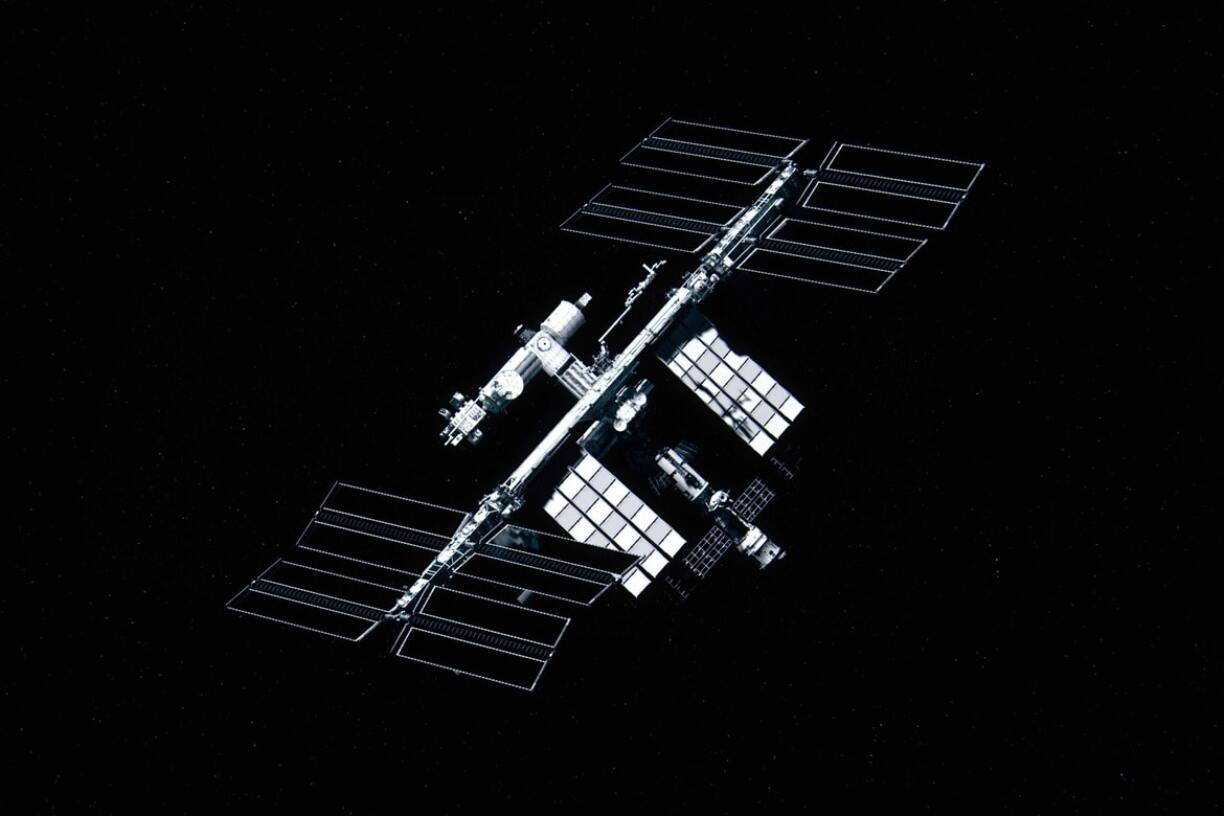
The ISS orbits the earth in 90 minutes at an altitude of 408 km. And soon, this will include an experiment by five students from the Luxembourg Center of System Biomedicine (LCSB) at Belval.
They have been growing so-called "organoids", mini brains that will be able to grow in micro gravity and thus help advance research in the fight against Parkinson's disease.
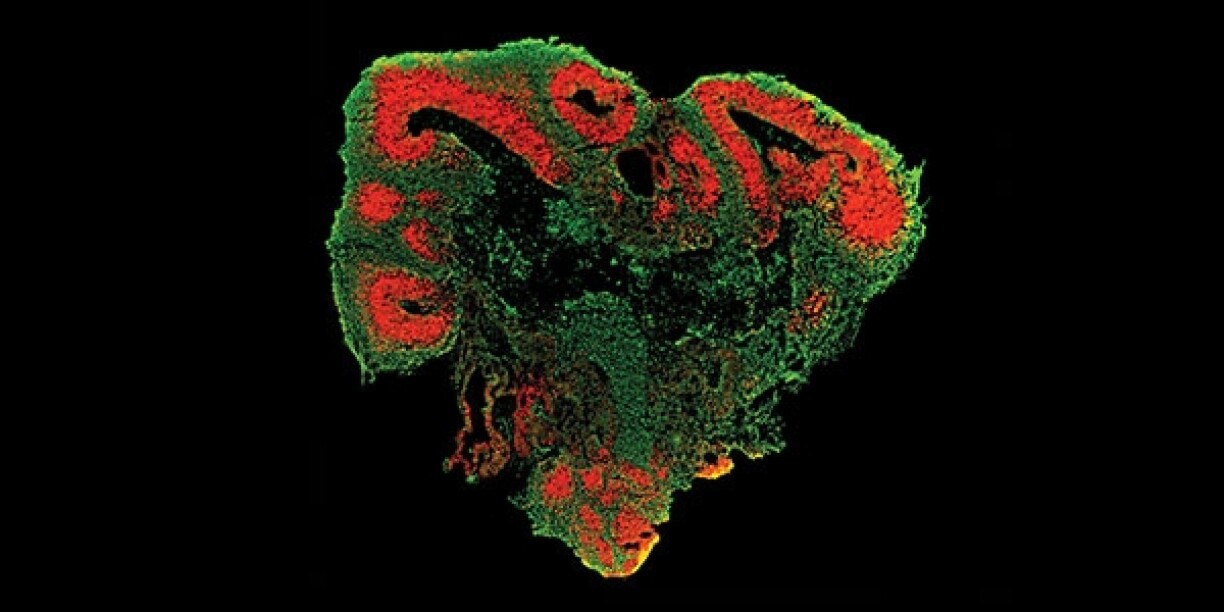
They are bred from stem cells, but under earth gravity they stay below 2mm size, which makes them difficult to analyse. On the ISS, they should be able blossom to a bigger size and become more usable. The students will then dye the various types of cells different colours, which will allow them to see how the entire system functions and works together.
They won their "ticket" to the ISS in a competition developed by the Luxembourg Space Agency and the German Air and Space Agency, called Überflieger2. Three German projects were also selected.
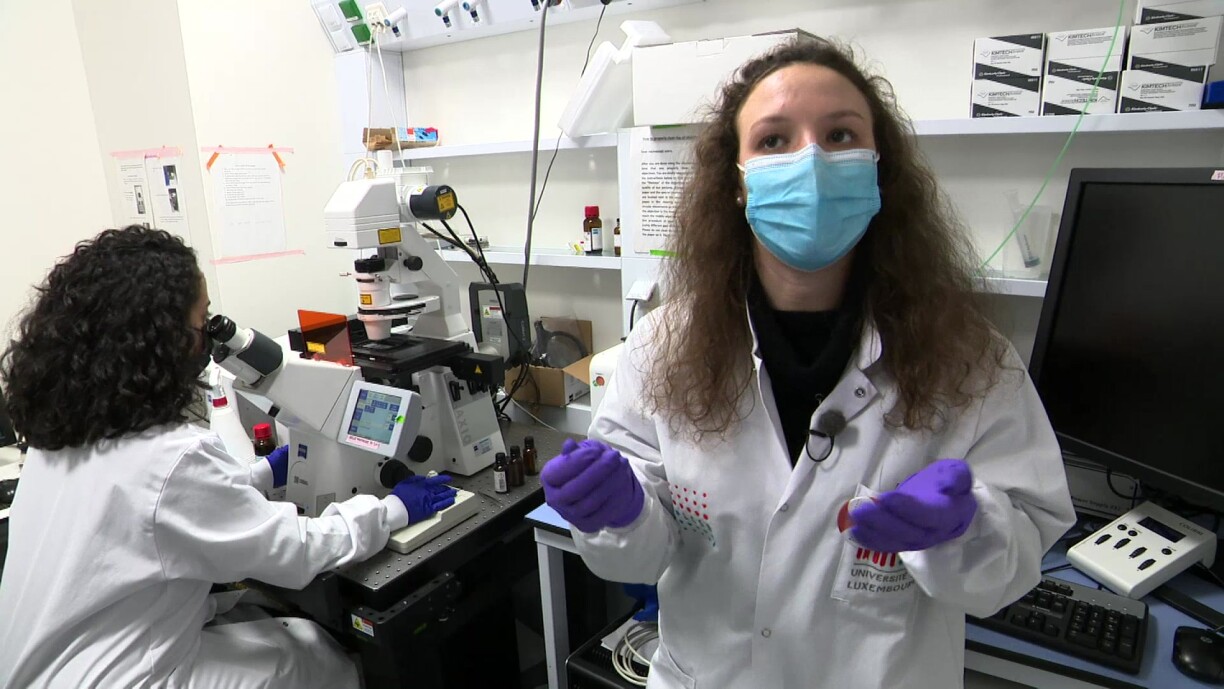
They will have a 10x10cm box to house all their material. And there is a lot: a mini computer, a pump that will provide the organoids with liquids, a battery to power the system until it arrives at the ISS and sensors to monitor temperature. The organoids need to be kept at 37 degrees centigrade.
After 30 days, the experiments will be returned to earth. The launch date hasn't been fixed yet, either by the end of this, or early next year.
Video report in Luxembourgish:





