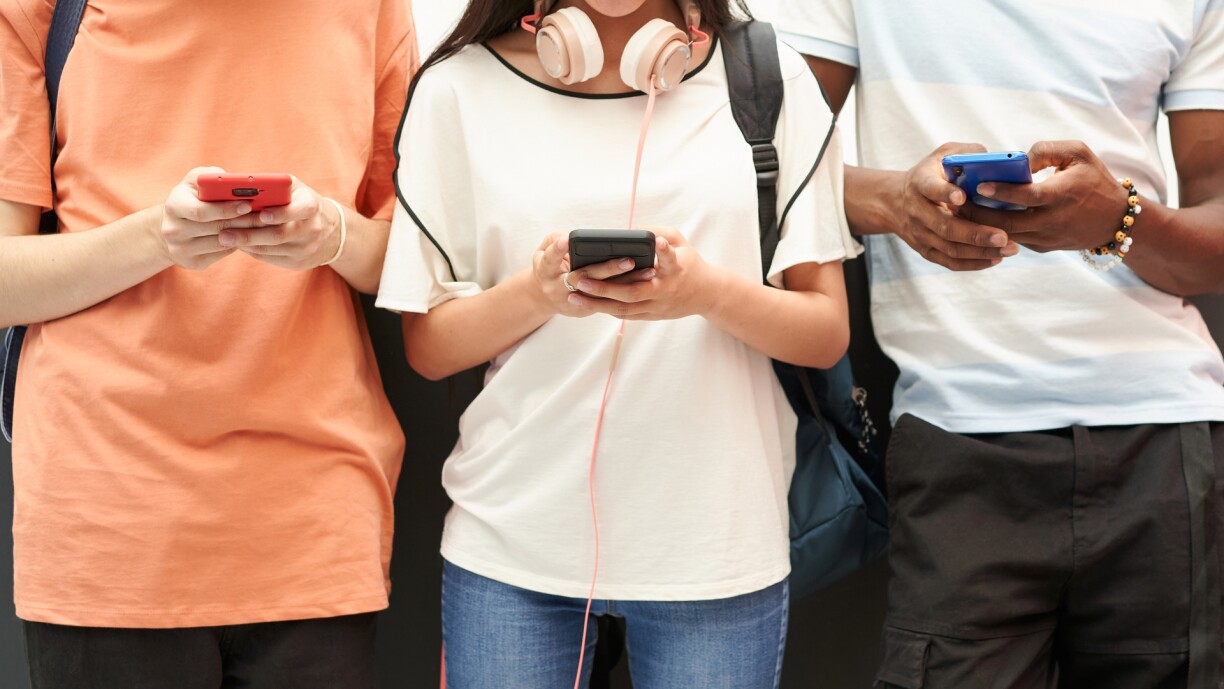
“I am 17 now, but when I was 15, I spent all day on TikTok, 70 hours a week, which isn’t healthy”, said one secondary school pupil, reflecting on past habits he now recognises as harmful. Another teenager explained he was deleting apps because otherwise he could not concentrate on schoolwork, while a student pointed out that even having an iPad in the classroom can be a distraction from learning.
These concerns echo what BeeSecure, a national awareness initiative, observes in its youth workshops. Jeff Kaufmann, project manager at Bee Secure, notes a shift in mentality: instead of excluding young people from social media altogether, a gradual introduction is preferred. Under the proposed system, children aged thirteen could have a ‘mini-account’ managed by parents, with use limited to one hour per day until the age of fifteen. Kaufmann regards the EU’s proposed restrictions as a crucial step, alongside ongoing digital education efforts.
BeeSecure welcomes the move, arguing that children and teenagers must learn how to use social media in a sensible and moderate way. However, as many teenagers point out, the EU proposal may have come too late to prevent some of the negative effects already experienced. Charel Schmit, Ombudsman for Children and Young People, also welcomes the fact that concrete action is finally being taken after years of inaction.
The exact details of the new rules have yet to be finalised, with the European Parliament and member states still negotiating the specifics. Luxembourg’s government supports the EU’s proposal, according to Minister for Digitalisation Stéphanie Obertin, and will continue to monitor the process and work with the relevant Justice Minister to enable implementation in Luxembourg.
For the young people affected, it is now crucial that member states reach agreement and that the new EU rules are not delayed any further.





