New governmental regulations are to increase the financial appeal of solar energy, specifically through less administrative procedures and better support/backing/monitoring.
Minister for Energy Claude Turmes considers photovoltaics to play an important role in the fight against climate change. Luxembourg has until December to settle on a national energy and climate plan, in which the details on how we will move towards using at least 23% to 25% of renewable energy by 2030 are to be outlined.
The Ministry for Energy supplied the following example for private use: for a system/unit that costs €14,000, you get a €2,324 grant. An average electricity production of 6400 kilowatts per hour would translate to €1,056 per year. This means that the unit would become profitable within 11 years. Machines currently run between 15 and 25 years.
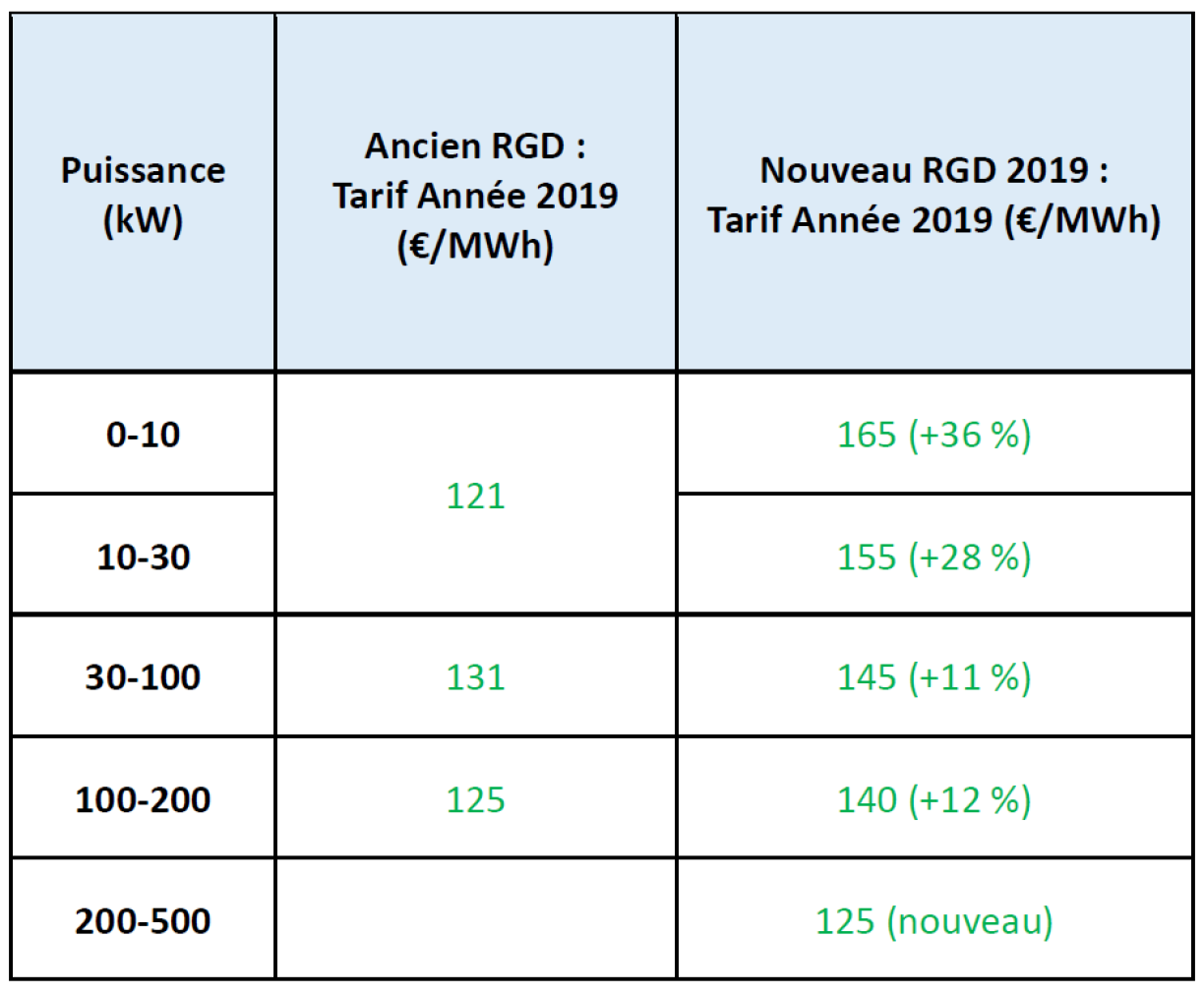
New power categories are planned and the role of cooperatives is to be strengthened. A lower level category of 0-10 kW (~ 100 m2) at a lower price serves smaller roofs and single-family homes; for installations less than or equal to 30 kW, rates may be combined with the PRIMe House subsidies; and finally, a new 200-500 kW category will be introduced for larger roofs, cooperatives and civil societies.
Furthermore, all roofs can now sustain installations. The previous restriction that meant a connection point can only accommodate one installation will be removed, and new installations can now be built next to existing installations, provided that the extant one is older than 2 years.
In addition to increased financial incentives, the Ministry of Energy is refining its knowledge of the potential of solar energy in Luxembourg: a solar land registry, which will contain information on potentially useful built-up areas in Luxembourg, will be available in early 2020.
As a practical tool, this registry will be developed with the help of myenergy to provide better information on the roofs conducive to the implementation of photovoltaic installations.
As for the Government's strategy concerning the involvement of individuals, it is largely based on myenergy’s processes of raising awareness, informing the public of national structures that promote sustainable energy transitions.
- With the advent of the new regulations and the new remuneration applicable to solar energy, the Ministry is launching an advertising campaign that will run until autumn, together with myenergy and in partnership with the Chamber of Commerce, the Federation of Craftsmen and the Order of Architects and Consulting Engineers;
- Through the "Climate Pact" measures, municipalities are encouraged to actively contribute to raising awareness among their citizens;
- in this spirit of cooperation between all actors, myenergy also offers different tools and services under its "common" portal (eg model statutes for the creation of a cooperative) and the structure can act as a facilitator between municipalities and cooperatives needing roofs to install photovoltaic power plants. In concrete terms, this facilitator assistance consists of the following elements:
This offer is offered in collaboration with Eurosolar Lëtzebuerg.
State of affairs of renewable energies
- Luxembourg has set itself an 11% renewable energy target in 2020 and is on track to achieve this goal.
- In 2018, Luxembourg had a renewable energy rate of about 8%, of which about 1/5 was produced from solar energy.
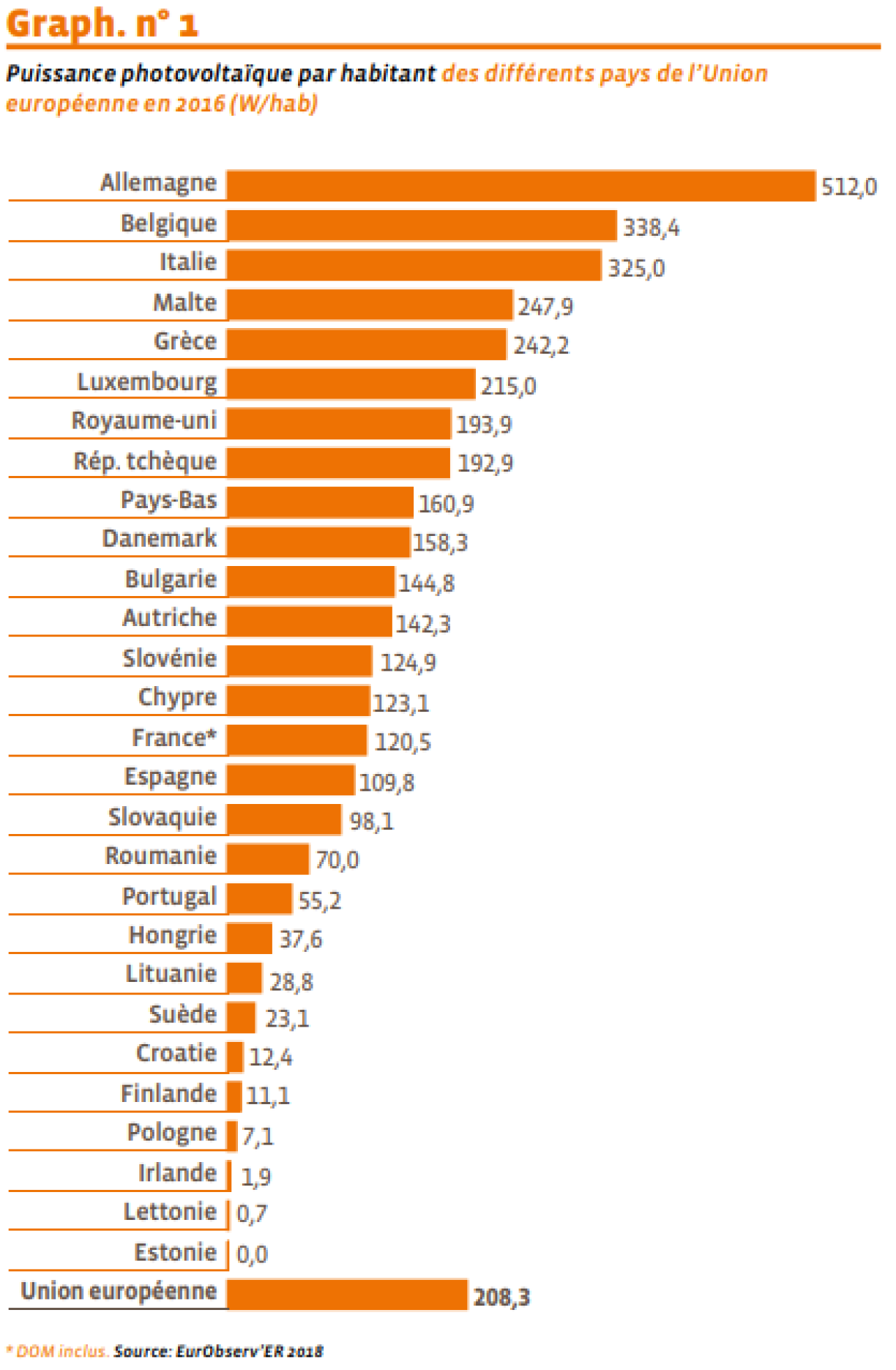
- In the field of photovoltaics, Luxembourg is in sixth position in Europe in terms of installations per inhabitant.
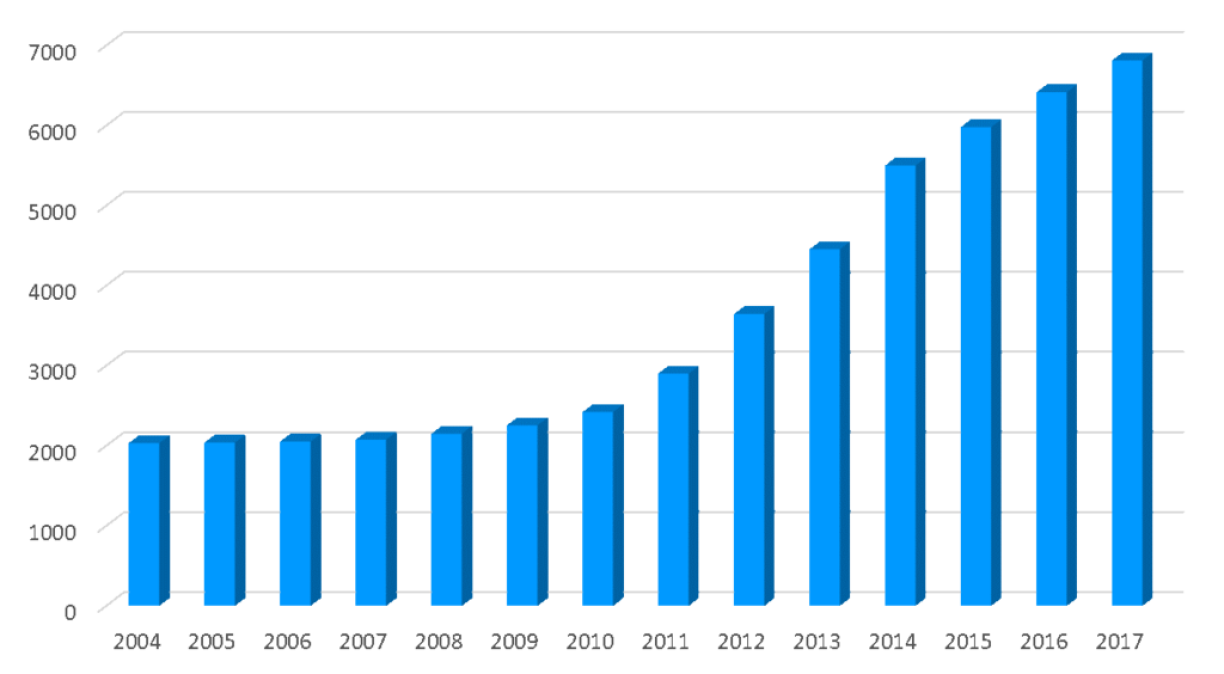
- 6813 PV installations in Luxembourg (ILR 2017)
In the field of photovoltaics the evolution of the number of installations can be summarised as follows: