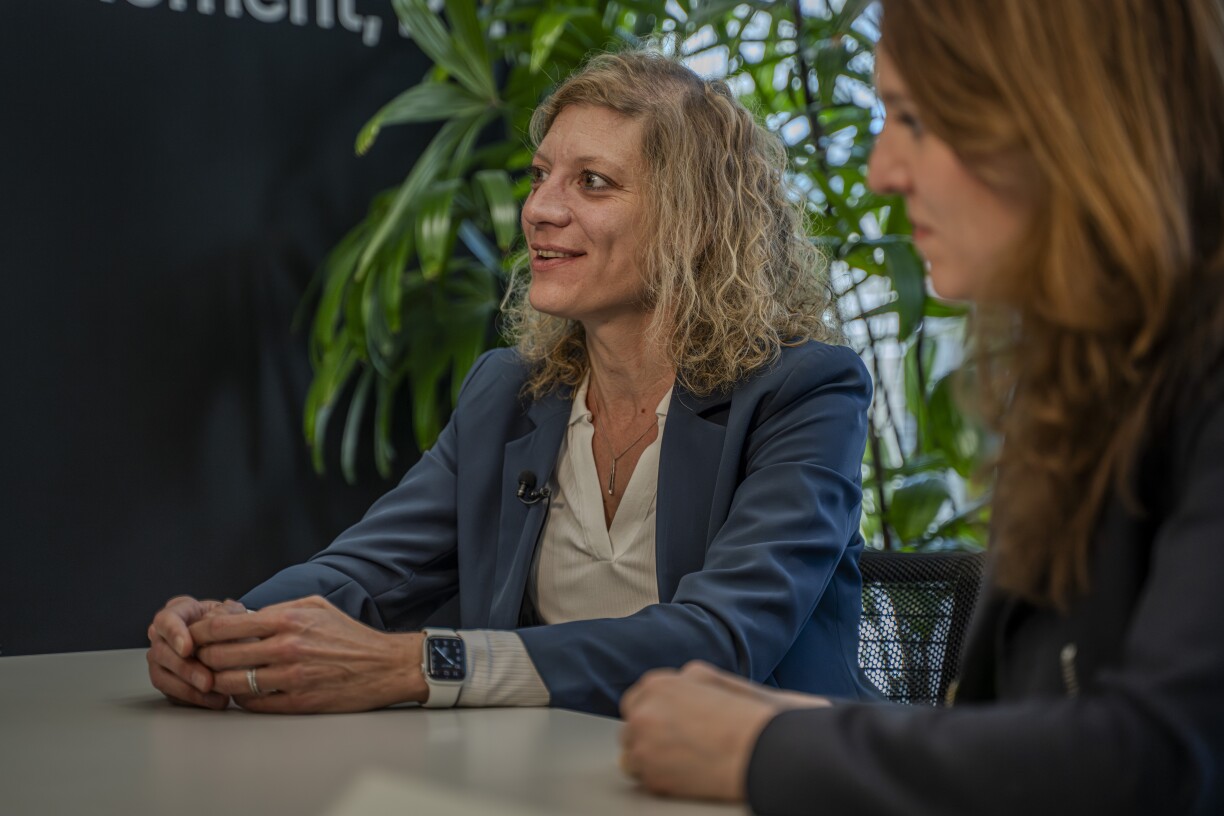
Criminology is often misunderstood. "Criminology is a social science," explains Sophie Gosselin. "It has nothing to do with forensics." At its core is the question of what causes crime.
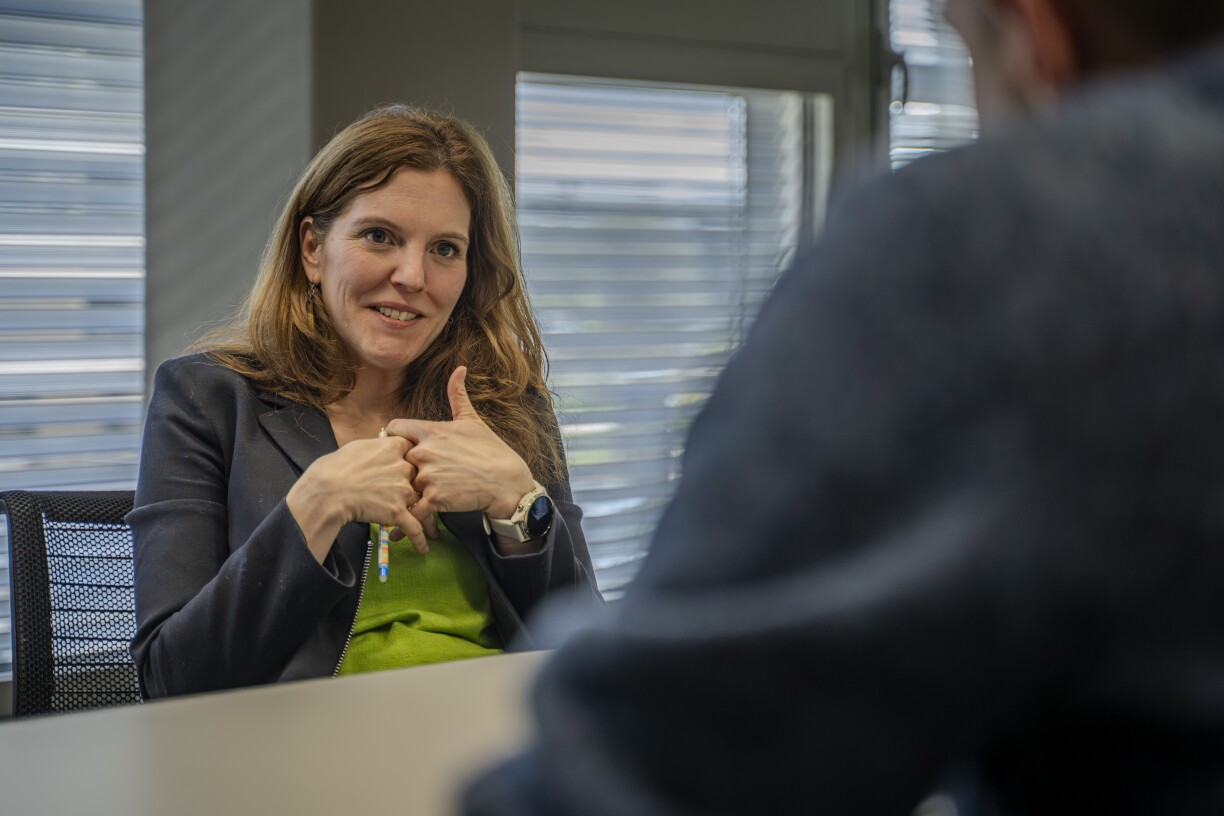
"You have to be interested in working with this population and also want to understand why people actually do things that fall outside social norms," says Sophie Rodesch.
Society also plays a role. There is no such thing as a typical prisoner, the criminologist explains.
"Society has changed. And with society, crime naturally changes too."
Crime is a mirror of society, of all social classes, all ages. The "average offender" does not exist.
The SCAS is divided into two sections: one works with people in prison, the other with individuals serving their sentence in the community.
In prison, the focus is above all on building prospects. "It always depends on the person's own willingness to reintegrate," says Sophie Gosselin. Not everyone engages: "Some say: I'll do my few months and then that's that."
However, the criminologists try to build up alternatives. "We look at how to make sure they are as well prepared as possible," she explains. This ranges from conversations and daily structure to concrete preparation for life afterwards.
Reintegration is complex and depends on many factors. A social network can be decisive, according to Sophie Rodesch.
"Someone who has a strong network on the outside naturally has it a little easier than someone who has none."
Housing in particular is a problem: "If you can go back and live with your family, that is an advantage others simply do not have." The housing market situation doesn't make things any easier, and for people carrying a stigma it becomes even harder. A special project has been set up to help with the search for housing.
One development is causing the criminologists concern. Violence has by now become part of everyday life for many people. "Violence is also becoming more normalised," says Sophie Rodesch. This has various consequences. Certain things are no longer perceived as shocking in the way they were a few years ago. Among young people in particular, this is playing an ever greater role: "Everything they see on a regular basis becomes much more normalised. And violence should not be normalised."
Group dynamics also influence behaviour: "If my neighbour does it, then maybe it's also cool if I do it too." Added to this is a neurological factor: the prefrontal cortex is not yet fully developed in people under 25. Offenders are often unaware of the consequences of their actions.
In a digital world, this is further amplified. Videos, the many conflicts and wars being shown, all of this contributes to the normalisation of violence.
"People are pushed into doing things they later regret."
Ultimately, one reality of the job remains, which is often not easy. "We can give 150%," says Sophie Rodesch. "But if the person themselves does not give 70%, then that is their choice."
Yet there are always positive examples and successes too: people who stabilise and find a new path. "When someone has found their way back to themselves, that is a beautiful thing to see," explains Sophie Gosselin. And that remains one of the core missions, not only to see the act, but the person behind it. And to play a part in giving those people the opportunity to change.





