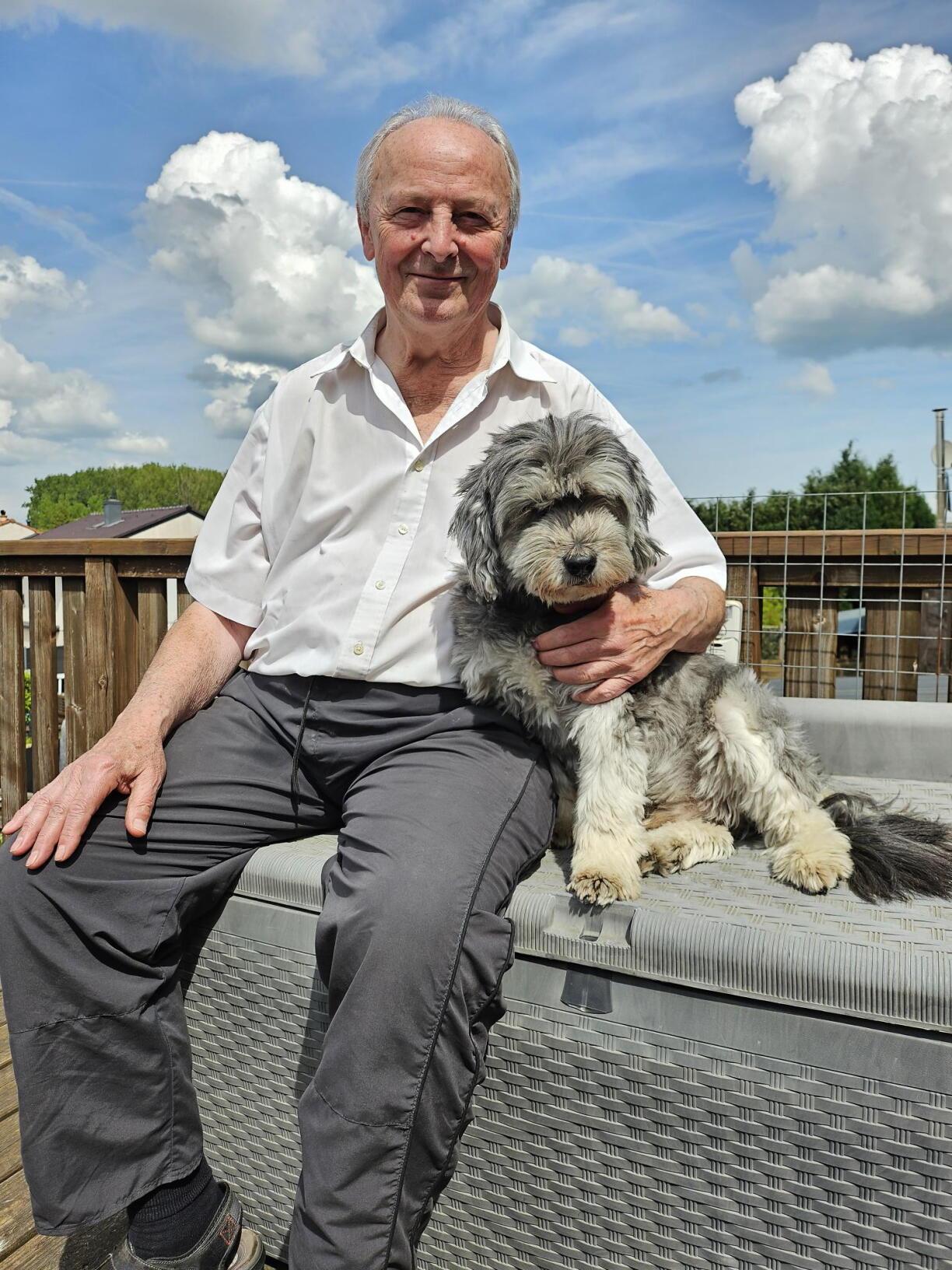
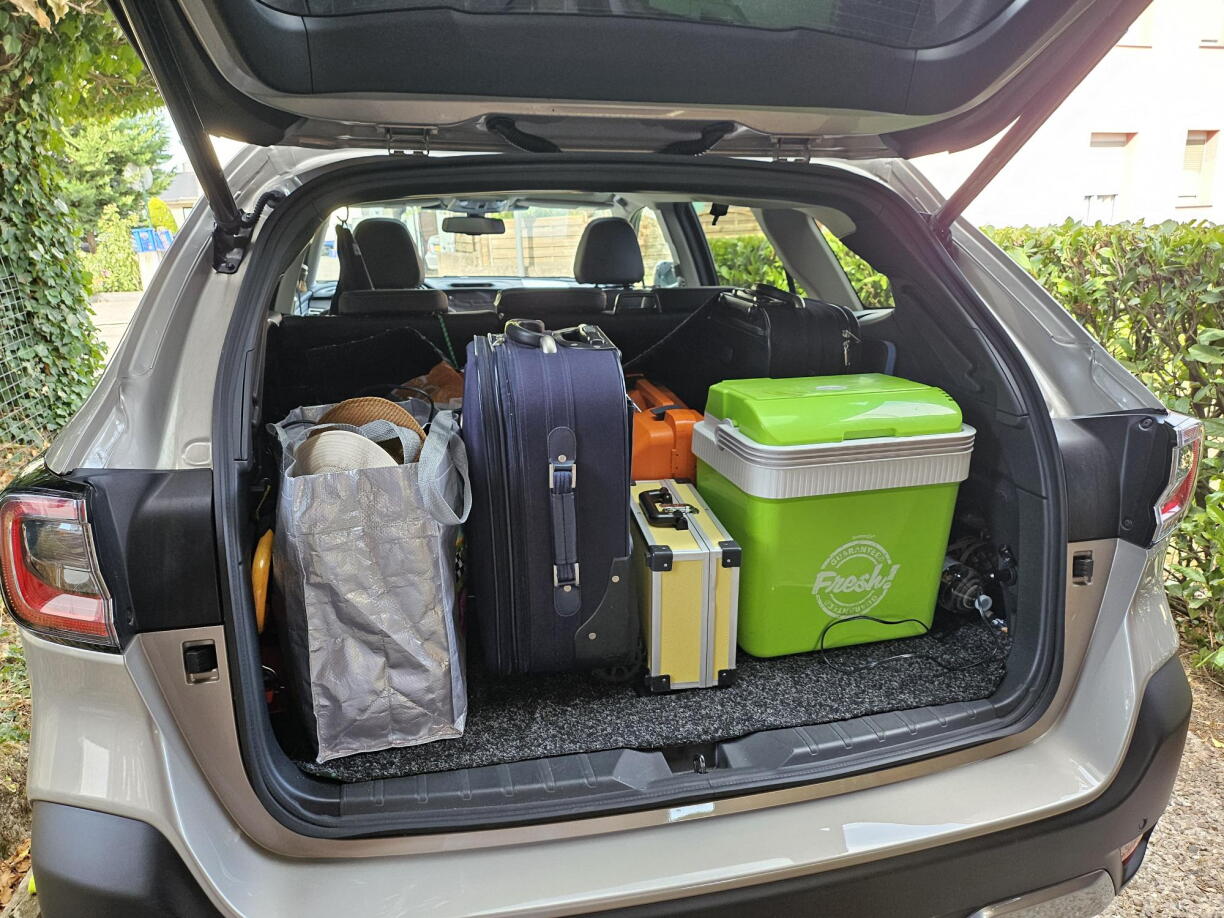
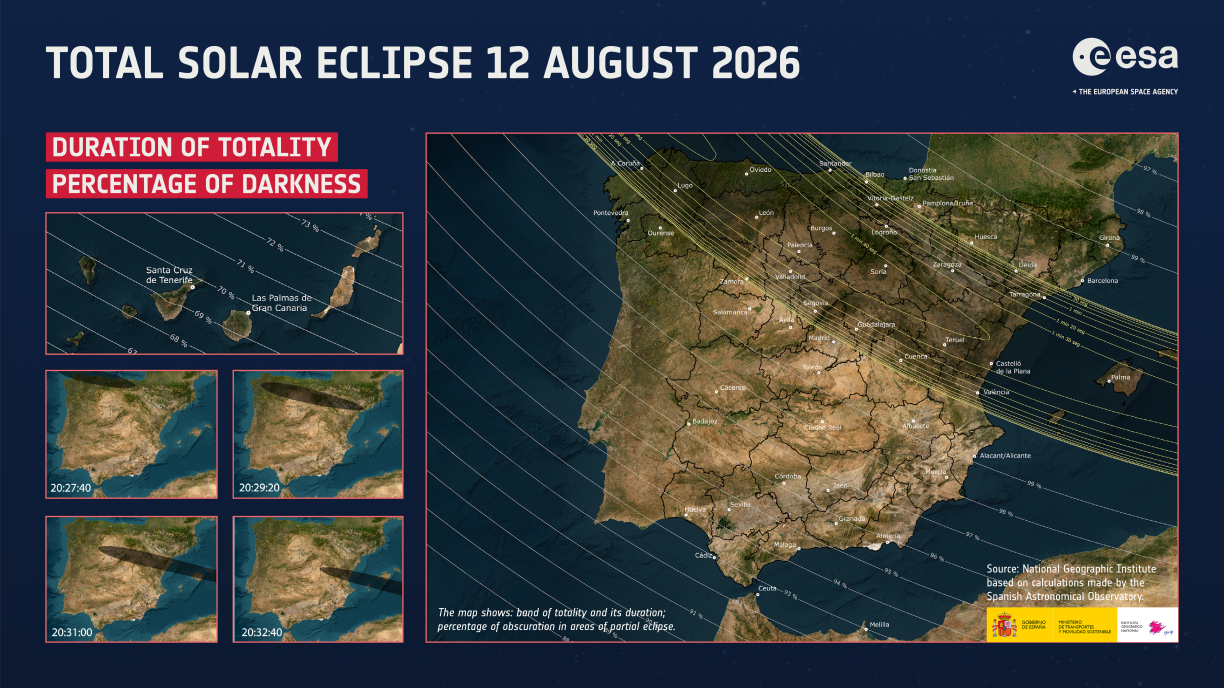
The car is packed and the journey has begun: amateur astronomer and photographer Roby Kieffer, together with his wife Karine, set off from Schifflange on Friday morning, heading for El Poyo del Cid – a small village in Spain, nestled between Zaragoza and Madrid.
Their destination was chosen for a specific reason: while Luxembourg will experience up to 90% coverage during the solar eclipse this Wednesday, for Roby, nothing can compare to witnessing the full spectacle of totality.
Even the remaining ten percent of sunlight at home, he explains, would be enough that most people might barely notice an eclipse was happening at all, unless they were already aware of it.
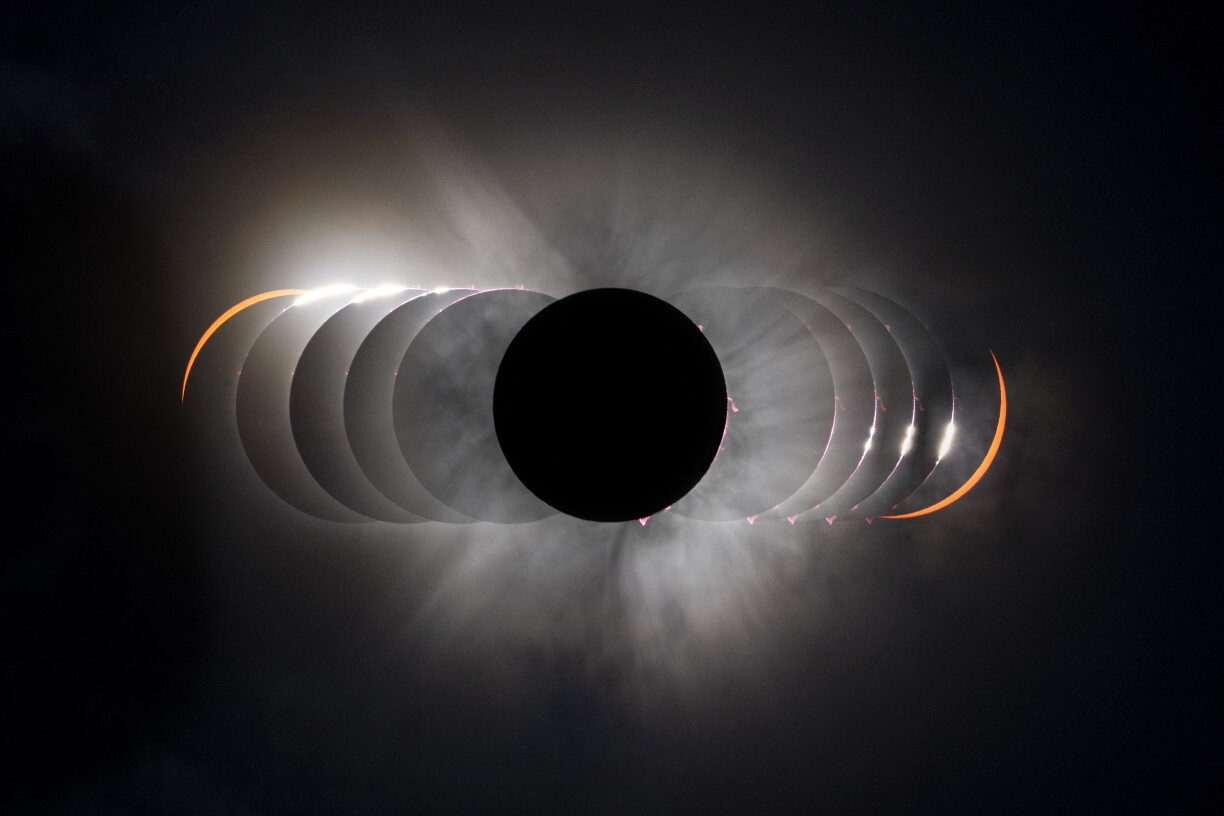
The difference between a partial and a total eclipse is profound for Roby. The allure of those rare 90 seconds of complete darkness and the dramatic transformation of the landscape makes the long trip worthwhile.
But the journey is not without risks. At the time of the eclipse, the sun will be just a few degrees above the horizon, meaning even a few low clouds could obstruct the view entirely.
The trip, Roby says, is a calculated gamble, but one he is happy to take for the chance of experiencing the phenomenon in full.
The couple’s passion for astronomy is matched by their meticulous planning. They booked accommodation in Spain a year and a half ago, when prices were still reasonable, and deliberately chose the remote village of El Poyo del Cid to avoid crowds.
To ensure an unobstructed view, they plan to climb a nearby hill, leaving the valley behind to get the best possible vantage point.
Roby’s equipment reflects his dual love of photography and astronomy. He is bringing a telescope with a solar filter, as well as a mount that tracks the movement of the sun.
A camera attached to the telescope will capture detailed images of the eclipse, while a second camera with a wide-angle lens will automatically take a photo every five seconds, documenting the spectacle from a broader perspective.
Roby traces his fascination with astronomy back to the 1990s, when a close friend first introduced him to a group of amateur astronomers.
A subsequent trip to Mexico deepened his curiosity, and his existing interest in photography soon merged with his new passion for the night sky.
His photographic interests, however, go beyond stars and galaxies. Roby is particularly drawn to rare and exceptional phenomena, such as supernovae, meteorites, and other anomalies that occasionally grace the heavens.
Astronomy has shaped more than just his hobbies. It was through this shared interest that Roby met his wife Karine, and together they have pursued their passion ever since.
Roby has already witnessed total solar eclipses in Turkey, South Africa, and near the Luxembourg border during the famous 1999 event.
That year, while clouds covered the sky above Luxembourg, Roby and a friend found themselves just across the border in Sierk, France, where, in the final minute before totality, the sky cleared just in time.
If Roby succeeds in capturing this year’s eclipse, his images will be shared with readers here on rtl.lu.





