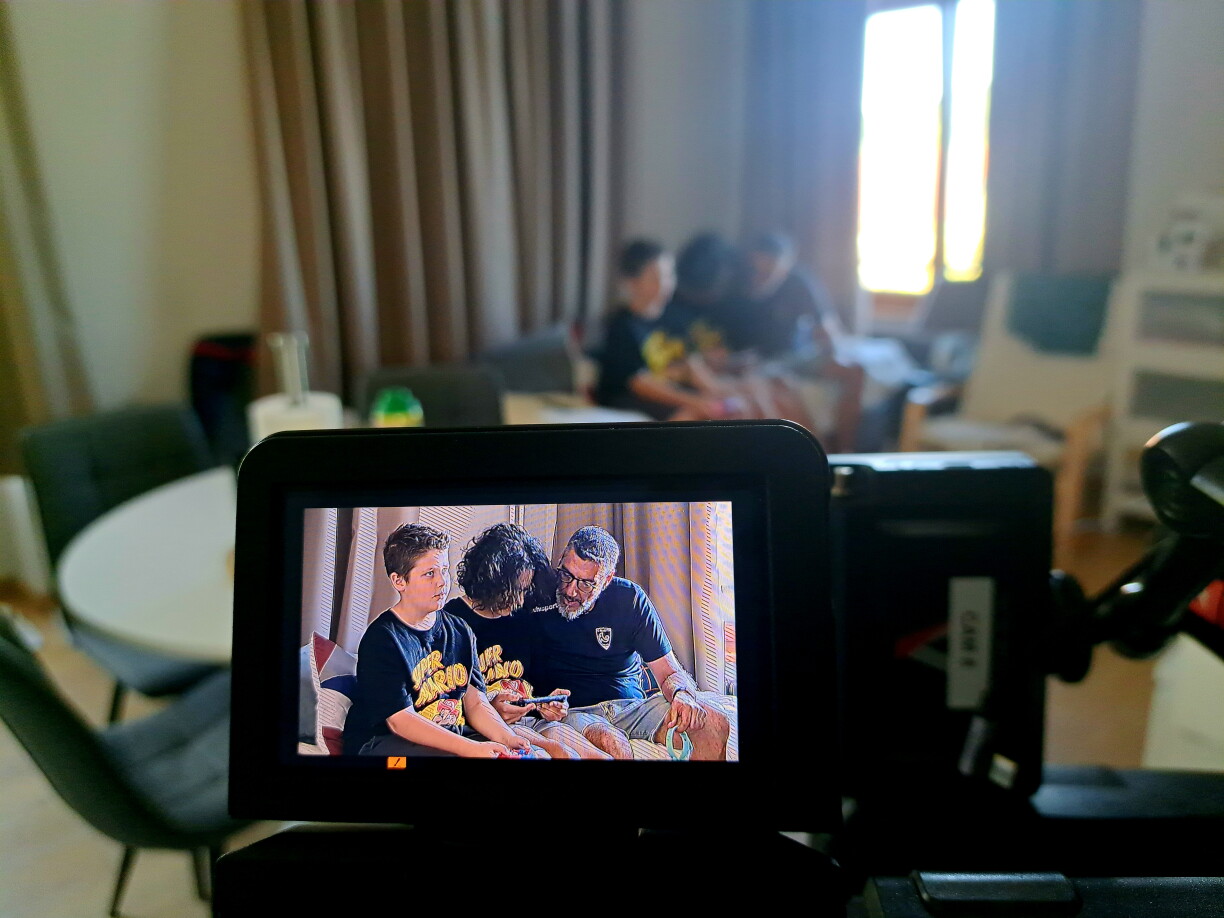
If people are forced to leave their homes, or in the event of a house fire or serious flooding, emergency shelters are on hand. Their capacity and the length of stay they can offer, however, are limited.
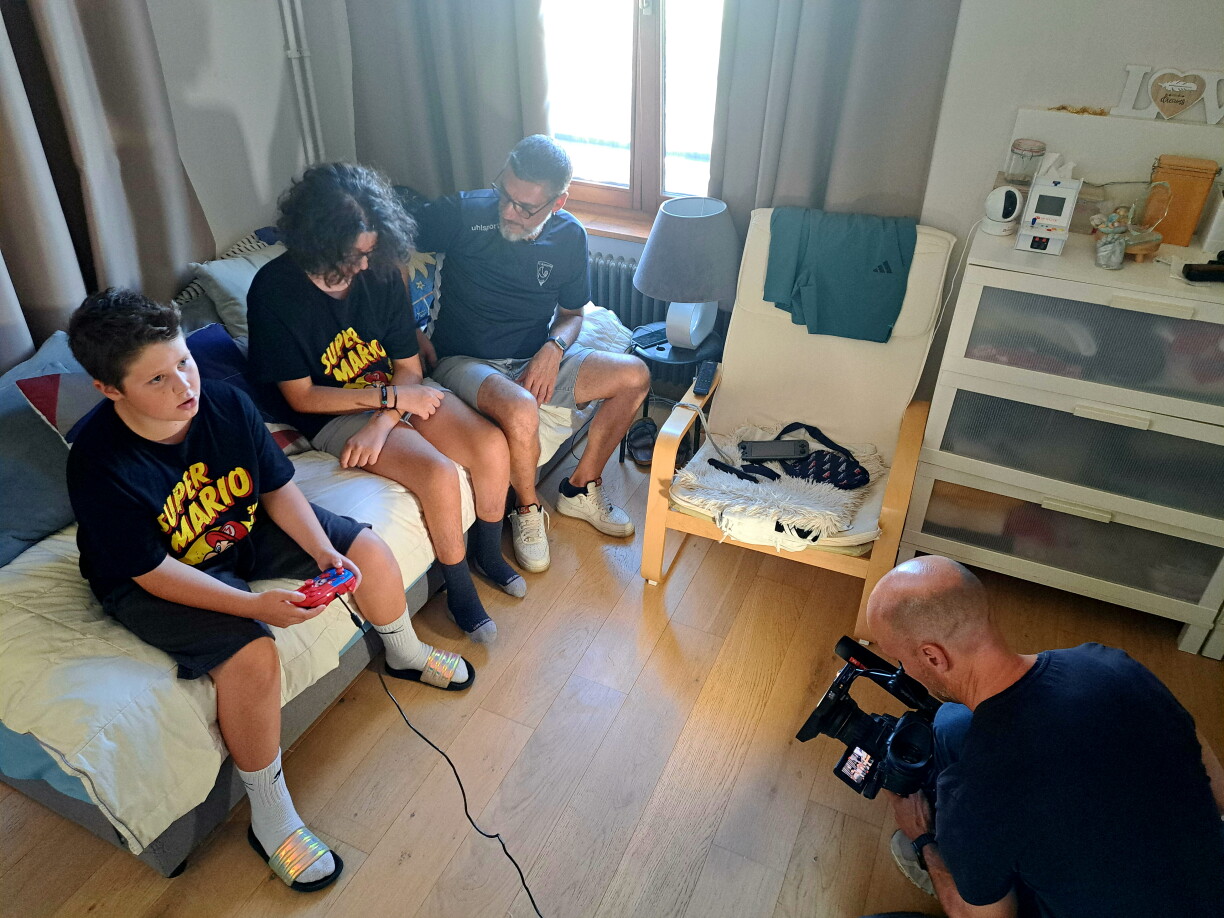
For nearly a year, single father Agostinho Martins has been living with his three children in such emergency accommodation in the municipality of Steinsel. After the parents separated, the family was evicted from their previous home.
Martins, speaking in an interview, said he had not been working at the time. The child benefit and the dependency insurance he receives to look after one of the children had not been enough to cover the rent and other costs.
Despite finding work for a period, the father was unable to find a new home. His employer has since retired, and the single father has had to fall back on unemployment.
Finding a new job that still lets him care for his son has proved to be tough. The family has now been in Steinsel's emergency housing for close to a year.
By definition, emergency accommodation is only intended to be used for a short spell, with families expected to move out after three months. Their eligibility to stay was extended for another three months, and even that limit has long since been passed.
The mayor of Steinsel, Manon Kolber, describes the situation as a vicious circle. She said the municipality did not want to throw anyone out, and in fact could not, since it would then be duty-bound to take them back in.
What matters most, she argued, is that the various actors work together, so that people can be moved as quickly as possible into a different situation and out of emergency housing.
For ANASIG, the social worker's association, the Martins family's plight is not an isolated case. On that basis, the organisation is calling for better coordination between the various parties involved.
Jean-Michel Campanella, vice-president of ANASIG, asked what happens to families if they find nothing after three, six, or 12 months. They then risk ending up on the street, or back in unfit accommodation, since essentially there is nothing ready or planned for them in terms of next steps.
After emergency housing, there is a shortage of suitable options on the wider housing market, and of social housing for lower-income households. This is a problem of which Luxembourg's children's ombudsman (OKaJu) is acutely aware.
Every week, the OKAJU team deals with housing cases. The core issue, in the ombudsman's view, is simply that there is not enough emergency housing.
In one monitoring exercise, OKAJU counted between 50 and 75 emergency shelters across the country. The children's ombudsman Charel Schmit said what was needed was a much larger pool of temporary emergency accommodation for Luxembourg's 100 municipalities than currently exists.
The ombudsman described the issue as a vicious cycle since without enough social housing for people to move on to after being placed in emergency accommodation, the country will never really get out of the bottleneck.
The housing problem is one all actors involved would have to shoulder together, including ANASIG and OKAJU. For the ombudsman, the country's municipalities should not be left to face it alone.





