The legislative process for implementing the measures drafted by the government and social partners during this month's tripartite talks has officially begun.
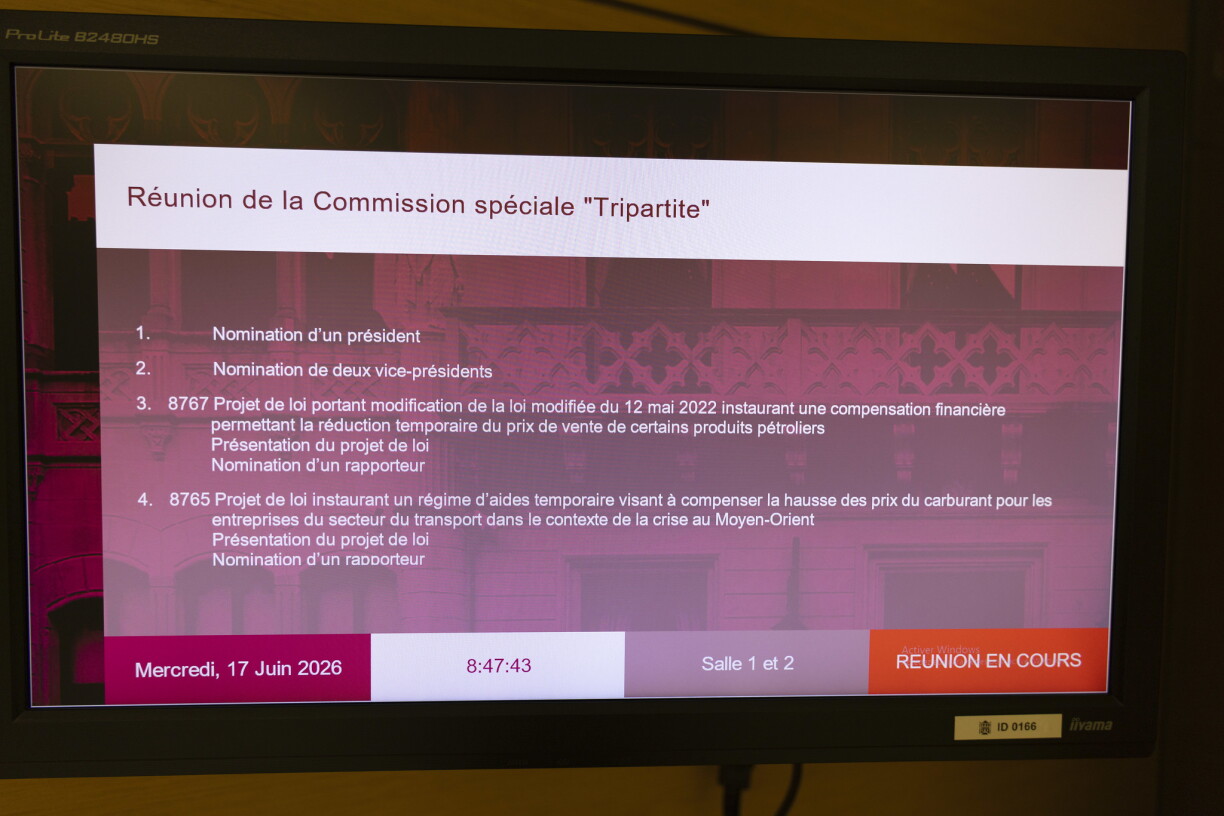
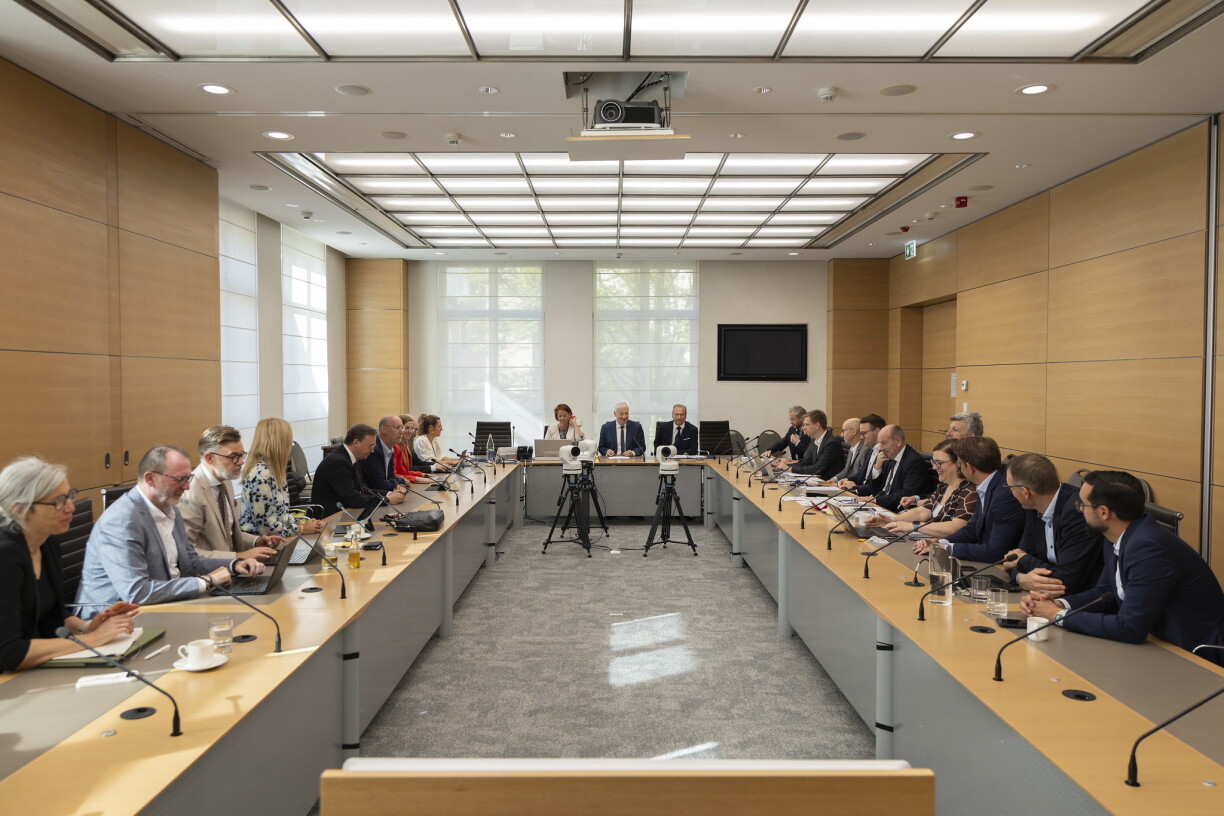
On Wednesday morning, the special parliamentary committee convened for its first meeting. Although the session largely focused on energy aid, Minister of Energy Lex Delles was absent due to other commitments. Finance Minister Gilles Roth attended in his place, fielding questions from MPs.
Roth outlined the government's progress in implementing certain measures, noting that a Grand Ducal regulation has been presented to lower petrol and diesel prices by five cents per litre as of 1 July. He also expressed optimism that a draft bill would pass before the summer recess, which would reduce prices for agricultural diesel and heating fuel by 15 cents from 1 August.
Green Party (Déi Gréng) MP Sam Tanson acknowledged the measures as "well and good" but said she would have preferred a broader general discussion on the tripartite agreements. Laurent Zeimet, parliamentary group leader of the Christian Social People's Party (CSV) and president of the special committee as of Wednesday morning, countered that such a broad debate fell outside the committee's mandate. Tanson nonetheless voiced scepticism about the effectiveness of the energy measures.
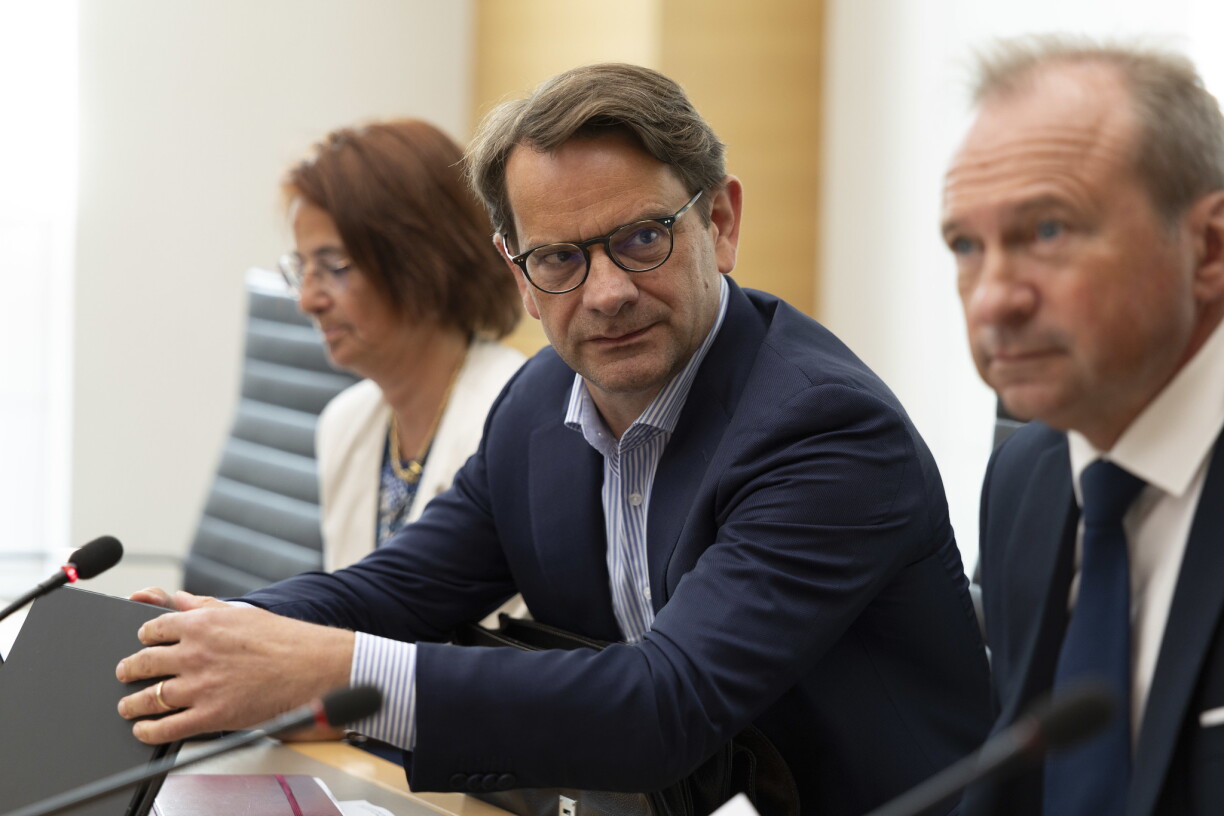
Tanson further noted that she had requested to meet with the National Institute of Statistics and Economic Studies (STATEC). One of her party's key questions concerns the inflationary impact of the measures. According to Tanson, it was confirmed that no calculations had been made beyond the general assumption that energy prices would affect inflation – an approach she described as regrettable, given its heavy reliance on fossil fuels. This, she added, raises further questions about the measures' implications for Luxembourg's climate trajectory.
Excise duties on fuel are governed by Grand Ducal regulation and do not require parliamentary approval. The remaining energy assistance measures, however, must proceed through the legislative process. They have now been forwarded to the Council of State for opinion, after which MPs will be able to vote on the texts. The government aims to complete the process before the summer recess.