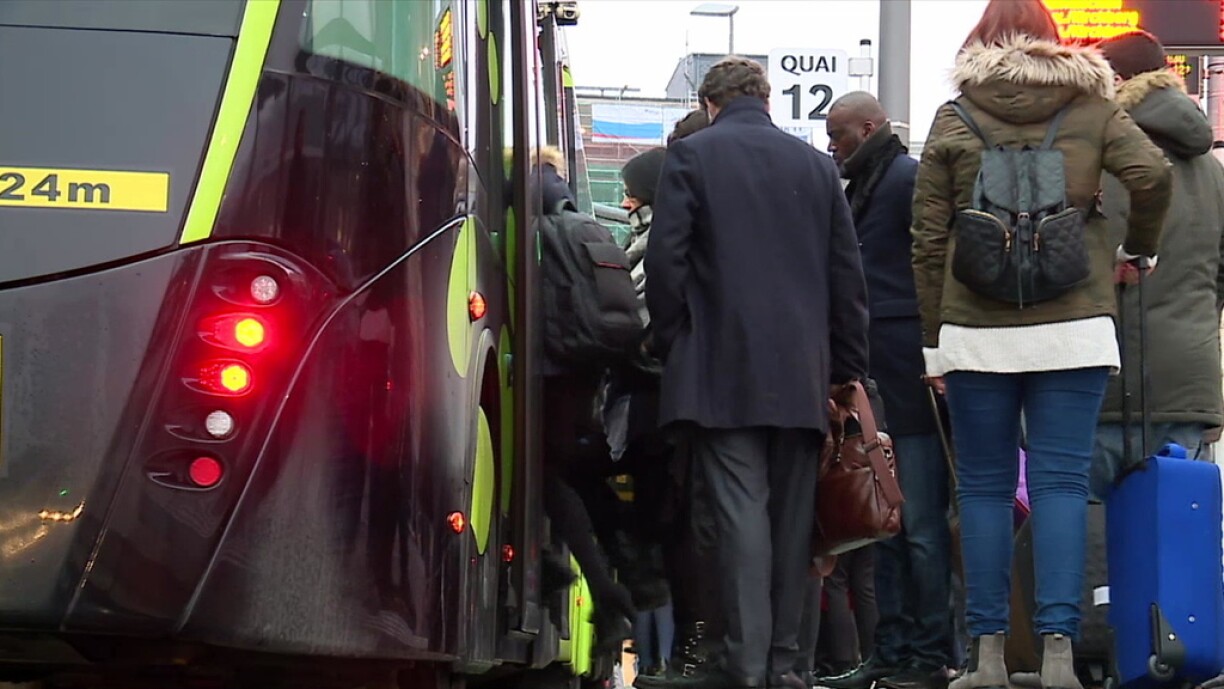
The first cross-border workers came to the Grand Duchy with the onset of the steel industry, and continued to come as the finance and service sectors began to thrive. The number of jobs in Luxembourg rose steeply, as did the number of employees commuting from the border regions each day.
The majority come from the areas just across the borders, with around two-thirds of Belgian cross-border workers hailing from the Province de Luxembourg. Nearly two-thirds of the German workers come from Rheinland-Pfalz, and 70% of French employees hail from the Departement de la Moselle. French employees make up half of all cross-border workers in Luxembourg, while Belgians and Germans make up a quarter each.
The figures have risen sharply in recent decades - 4,000 of the 130,000 employees in Luxembourg in 1960 came from across the border each day. By 1990, this figure had risen to 25,000; nowadays there are around 200,000 cross-border employees, making up nearly half of Luxembourg's workforce.
The trend is expected to continue in the foreseeable future. Experts estimate around 60% of the workforce will be cross-border workers within the next decade. Former president of the UEL trade union, Jean-Jacques Rommes, discussed the phenomenon with RTL.
Other than the government, each sector in Luxembourg is made up of at least a quarter of cross-border workers. However, two industries are particularly highly staffed by foreign employees.

Manufacturing numbers around 66% cross-border workers, however, the majority work in construction. More than 25,000 people make up 55% of the sector, while 29,000 work in trade or vehicle repair.
These two sectors have registered the highest number of new recruits in recent years. In 2018, 30,000 new mechanics were hired, 55 percent of which were cross-border workers.
Belgians are known to have the best training in this area while the level of education is constantly increasing. The number of Belgians who hold a master's or bachelor's degree has increased by eight percent since 2006, among the French there is an increase of 13 percent and ten percent among the Germans who hold a university degree.
The majority of employees commuting into Luxembourg travel by car, contributing to the Grand Duchy's ongoing traffic problem.
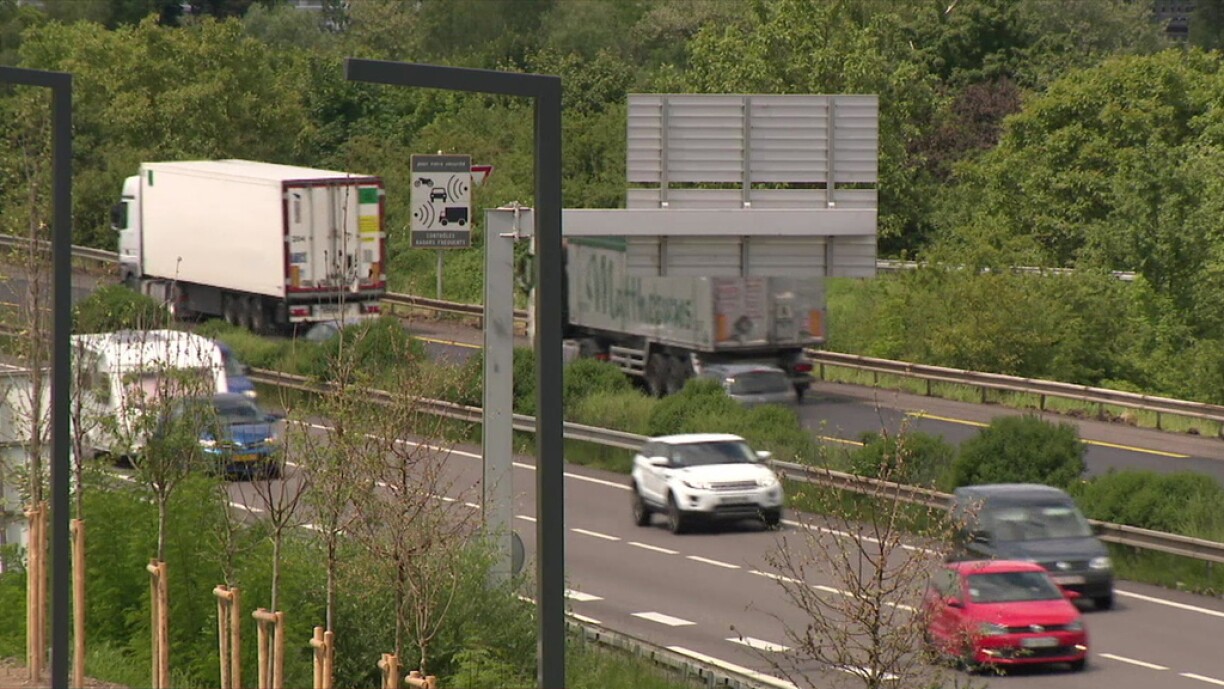
86% of the 200,000 employees take their cars to work, while just 6% use buses and 8% use trains. The French are most likely to use public transport. According to CES, public transport links are best between Luxembourg and France.
Despite this, the roads linking the Grand Duchy and France are the most heavily saturated with traffic. 80% of commuters travelling by car theoretically have the shortest commute, but take the longest time to reach their place of work.
Video in Luxembourgish





