After a peak in arrivals in 2022 and 2023, very few unaccompanied minors are currently arriving in Luxembourg, with only 31 applying for international protection in 2024, compared to 147 last year. Two of them, Alphonse and his roommate, are still hoping to secure their right to stay.
Alphonse, now 18, has lived in Luxembourg for nearly four years, but life remains complicated without proper documentation. He describes his situation as sad, asking that his real name not be published.
He is, however, willing to speak openly about his situation and that of other young people living at this shelter run by Hëllef um Terrain (HUT) – successor organisation of Caritas.
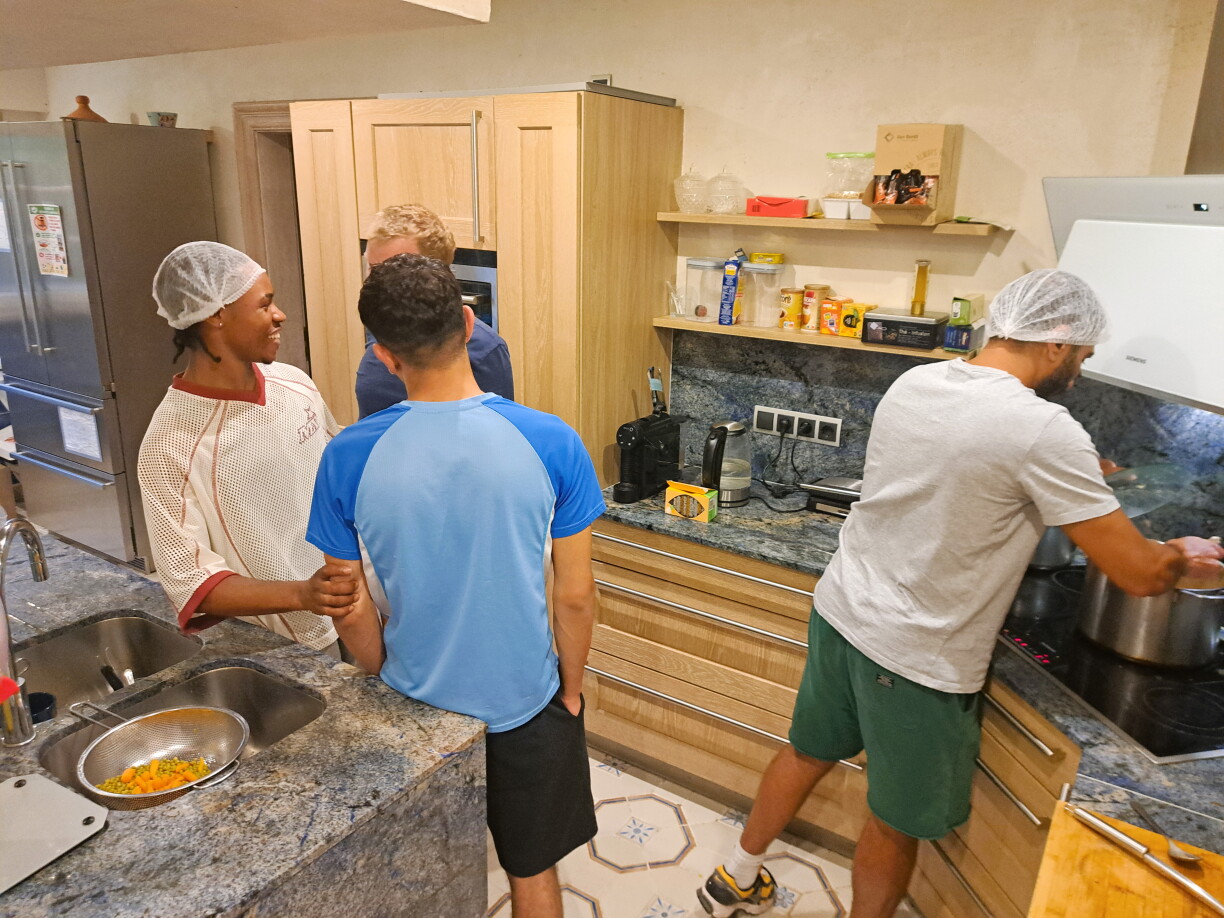
Since the opening of the structure three years ago, nine young men have been living together in a single-family house in a quiet residential neighbourhood. All arrived in Luxembourg as minors, some accompanied by relatives who were not their parents, others alone or with acquaintances.
All were admitted as unaccompanied minors. Today, eight have reached adulthood.
They are learning a trade, have found employers and friends outside the shelter, and lead lives similar to other young adults. Alphonse dreams of becoming a hairdresser; his roommate aims to become a mechatronics technician.
Even after turning 18, the young men are allowed to stay at the shelter provided they have a concrete plan, such as continuing their education or an apprenticeship, explains Jean-Christophe Goossens, the facility's manager.
The atmosphere is reminiscent of a large family: In the evenings, some of the residents return home by scooter or bus, and although there are efforts to cook together with the educators, not everyone is present every night.
The shelter has space for 11 but currently houses nine; two residents have already transferred to adult accommodation. Long administrative delays discourage many in similar situations, staff say.
One resident says that especially if they lack someone to motivate them, it is easy to lose your way, even if they do not want to. Educator Léa Sekarna also sees these delays as a major obstacle to integration, explaining that they are expected to make efforts to integrate, but without any guarantee that these efforts will be rewarded.
She adds that they live in uncertainty far too long, and this psychological burden is enormous. Additional administrative hurdles, such as difficulty opening a bank account, compound the problem.
Even those in apprenticeships cannot access their wages, a situation hard to explain to their peers.


For Alphonse, who comes from Guinea, lacking a recognised legal status means he is not allowed to participate in sporting competitions abroad. He says that while it is discouraging, they keep going and keep fighting to integrate by finding work and doing everything not to give up.
For educators, watching these young people face such obstacles is also difficult, says Sekarna, acknowledging that they face a lot of stigma. While being physically present in Luxembourg, in a way, they always remain on the outside.
At present, Luxembourg is generally well prepared to care for unaccompanied minors in shelters. As with this facility, most HUT-run shelters are not full, thanks to a sharp drop in new arrivals, according to Goossens.
However, the real challenge arises when these minors become adults. Goossens explains the acute shortage of places in the supervised housing programme for young adults (SLEMO), which is the logical next step after a shelter like theirs. SLEMO mostly offers shared accommodation for young adults who need limited support until they are ready to live independently.
Despite the administrative obstacles, Alphonse and his roommate remain determined to make it and secure their future in Luxembourg.