A major earthquake in Colombia recently claimed over 200 lives, thus drawing the world’s attention beyond natural disasters to the country’s humanitarian situation.
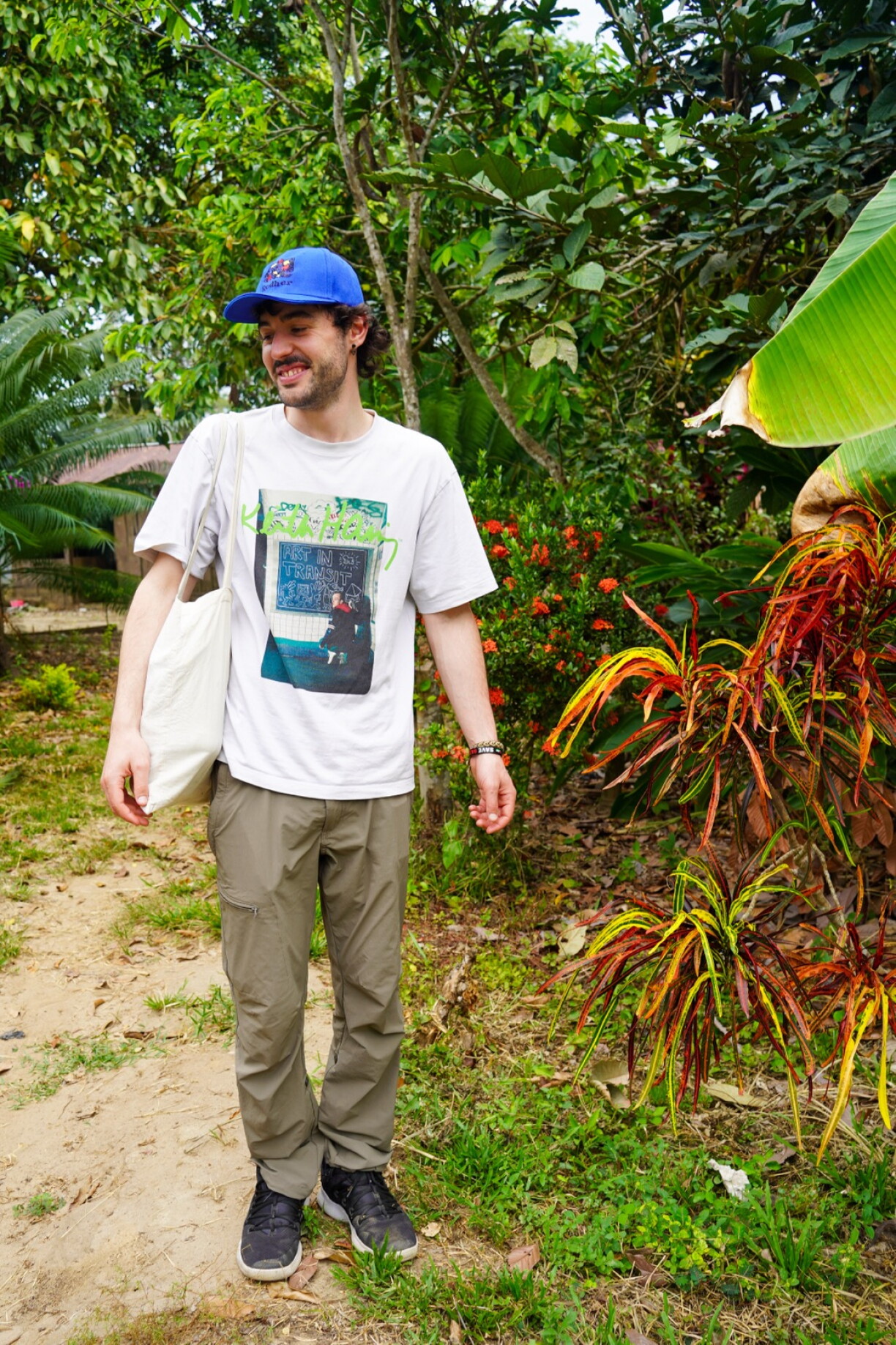
Yannick Kayser, who has visited the country twice to document human rights conditions for the solidarity network REDHER, notes that Colombia offers unique perspectives on some of the biggest issues of the 21st century, as well as alternative ways of organising society and the economy compared to Europe.
Kayser remained in contact with people in Colombia following the earthquake. Fortunately, no one he knows was harmed, and the regions he visited were not as severely affected as others.
However, he reports that the entire country has been touched by the disaster, with aid efforts already under way. The situation is still unclear, particularly as communication remains disrupted in some areas.
In his most recent stay in Colombia, which lasted more than five months, Kayser encountered a very different daily reality, which offered new insights into global challenges such as climate change and how local communities cope with them.
Through his work and connections with the organisation REDHER, Kayser was able to experience these alternative perspectives first-hand, in particular among farming communities.
He observed that these communities are already feeling the impacts of climate change far more acutely than people in Luxembourg, and that their responses offer valuable lessons.
Kayser found it especially interesting to see how these rural groups have developed sustainable and ecological methods of agriculture in response to environmental pressures.
On a personal level, he describes the Colombian people as extremely welcoming: "You’re always invited to share a meal or a coffee and to talk about life. I felt very warmly received and had a truly enriching experience."
The situation of rural communities, particularly farmers, was central to Kayser’s work for REDHER. Colombia has signed many international human rights conventions, yet the country has a long history of internal conflict and frequent rights violations, which is often due to paramilitary groups seeking economic gain.


One group particularly affected by such abuses are farming communities. In the Cesar region of central Colombia, for example, Kayser accompanied a community where some 150 families have organised shared, sustainable agriculture on highly fertile land left behind after seasonal floods.
Each family cultivates around ten hectares for their own needs and the community’s benefit. Unlike the mechanised agriculture familiar in Luxembourg, their work is entirely manual, and community rules are set democratically to ensure sustainability.
Documenting the lives of these farmers meant living with them for up to two weeks at a time, giving Kayser deep insight into both their daily routines and the significant challenges they face.
The region’s rich soil has attracted large economic interests, leading to the spread of monoculture plantations such as oil palm or buffalo farming, for instance, which are environmentally damaging.
Historically, rural Colombia has struggled with poverty, state neglect, and paramilitary violence, resulting in many farmers being forcibly displaced from land they have lived on for generations. Today, community leaders and climate activists are often targeted by such violence.
This is where REDHER’s work comes in: the organisation supports these communities by documenting rights violations related to displacement and land conflict.
Because Colombia has ratified so many human rights treaties, bringing such abuses to light is a way to increase public pressure and, ultimately, protection for those affected.
Kayser also stresses the importance of highlighting the achievements of these communities, particularly their success in establishing food sovereignty through sustainable agriculture.
Kayser explains that the aim is to document and support these communities, to give them a voice and an international audience, as "because that visibility offers protection".
At the same time, their sustainable, ecological, and social projects deserve a wider platform. In his view, "it’s vital for people to know about these successes and for those on the ground to receive support".
If the opportunity arises, Kayser says he would gladly return to Colombia. In the meantime, his work continues in Europe and Luxembourg, where he believes it is important to amplify the voices he encountered abroad.
Following the earthquake, he emphasises the need for solidarity work from Luxembourg as well.
Kayser concludes that his experiences in Colombia have global significance, as "food sovereignty and resilience to climate change are issues that can bring peoples closer together".





