With two of three appeals already dismissed, the construction of a wind turbine near Burden is edging ever closer.
A decision on the final appeal is expected shortly. The installation is likely to look somewhat different than initially planned.
For several years, the proposed construction of a wind turbine approximately 750 metres from the village of Burden, in the municipality of Erpeldange-sur-Sûre, has been the subject of debate.
A citizens' initiative opposing the project has filed multiple appeals. Two of those have already been rejected by the administrative court. A third ruling is still pending, but the project is unlikely to be halted at this stage.
The first appeal, concerning the labour section of the operating authorisation, was dismissed on 6 June 2024. The second appeal, which addressed the environmental section of the operating authorisation, was dismissed on 19 January 2026. The third appeal relates to the building permit itself. The hearings for this case took place on 11 February.
Reacting to the decision of 19 January, Yves Wallers, president of the citizens' initiative "Energie mat Verstand" (Energy with Common Sense), expressed disappointment. He noted that the judgment stated the initiative had not precisely proven what consequences the project might cause.
Wallers finds this problematic, arguing that infrasound issues could potentially affect a third of the population. In his view, this means the wind turbine would first have to be erected before potentially making people ill, leaving the initiative to file another lawsuit.
"And that's what we are complaining about a bit, that the precautionary principle isn't really respected there," Wallers said.
He acknowledged that the judges had to base their decision on current legislation. Nevertheless, the citizens' initiative would have wished for the court to offer politicians some food for thought on revising the standards, particularly with regard to industrial infrasound.
Wallers argued that industrial infrasound cannot be compared to natural infrasound. He noted that the former also travels through the ground and spreads into houses, where it intensifies. At that point, according to Wallers, the human organism can suffer damage. He also called for the use of new measurement methods that reach deeper into the ground.
At Soler, the energy company that plans to erect and operate the wind turbine together with the municipalities of Diekirch and Ettelbruck via Windpark Nordenergie S.A., officials say they are pleased to have been proven right in court so far.
At the same time, they would have preferred the matter not to have escalated to legal proceedings in the first place. According to the company, the existing requirements – such as noise limit values – are already sufficiently strict.
Soler managing director Paul Zeimet noted that Luxembourg legislation does not prescribe a fixed blanket distance from villages. Instead, the law requires that the structure be located 300 metres away from built-up areas, they said.
In addition, at night the turbine may emit no more than 37 dB(A) at the nearest dwelling, he explained, adding that this limit is stricter than in many other countries.
He explained further that this noise criterion automatically determines the distance the turbine must keep from the first homes and indirectly ensures that infrasound pollution does not reach excessive levels.
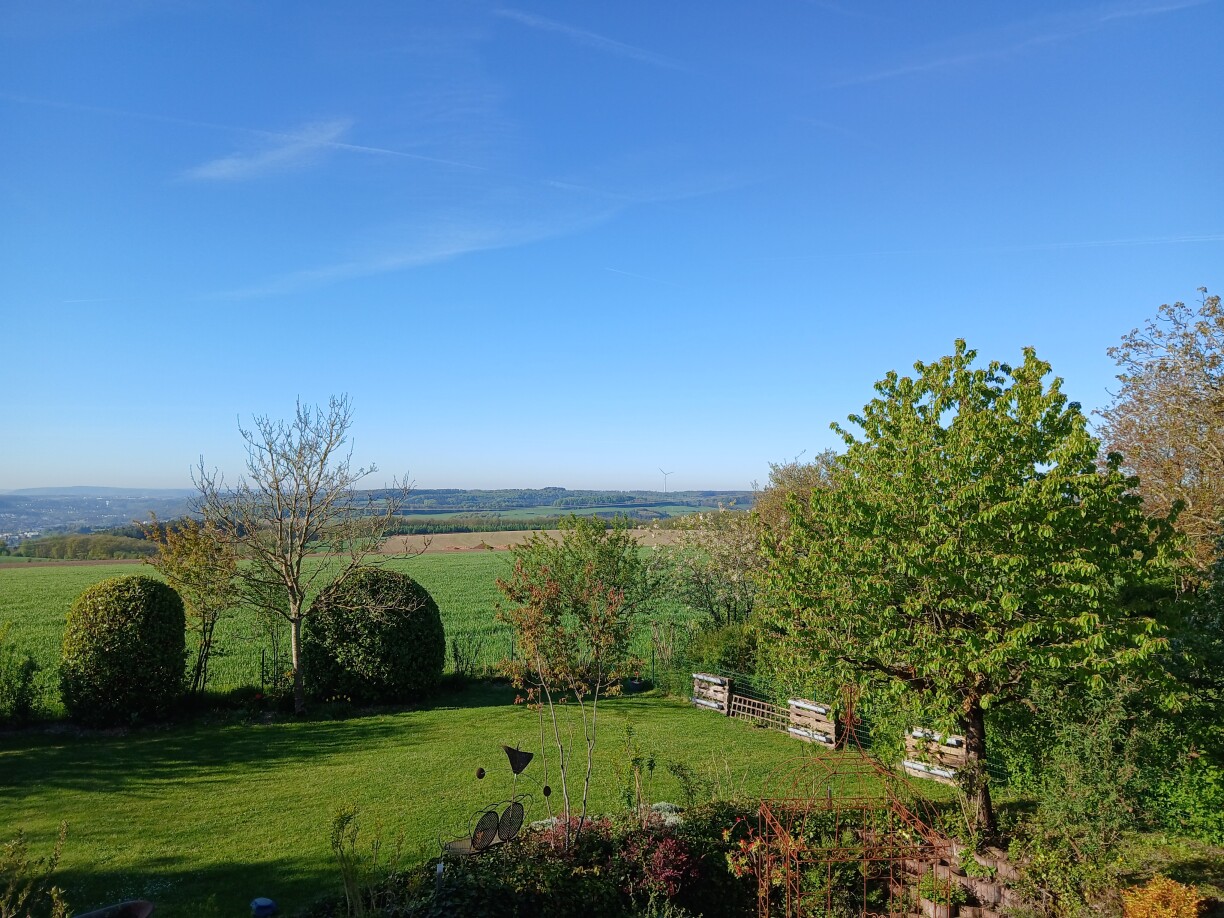
The citizens' initiative, meanwhile, has expressed concern that because technology has evolved in recent years, a larger wind turbine than originally planned could be built.
Zeimet responded to this concern, clarifying that the model to be installed remains the E-138, with the same height and rotor diameter that have been contested throughout the process.
However, one change has been made at the component level: unlike initially planned, the transformer will be placed in the nacelle – a configuration that manufacturer Enercon calls an E-nacelle.
Should the final appeal also be dismissed, construction of the wind turbine could begin almost immediately. The work is expected to take 18 months.