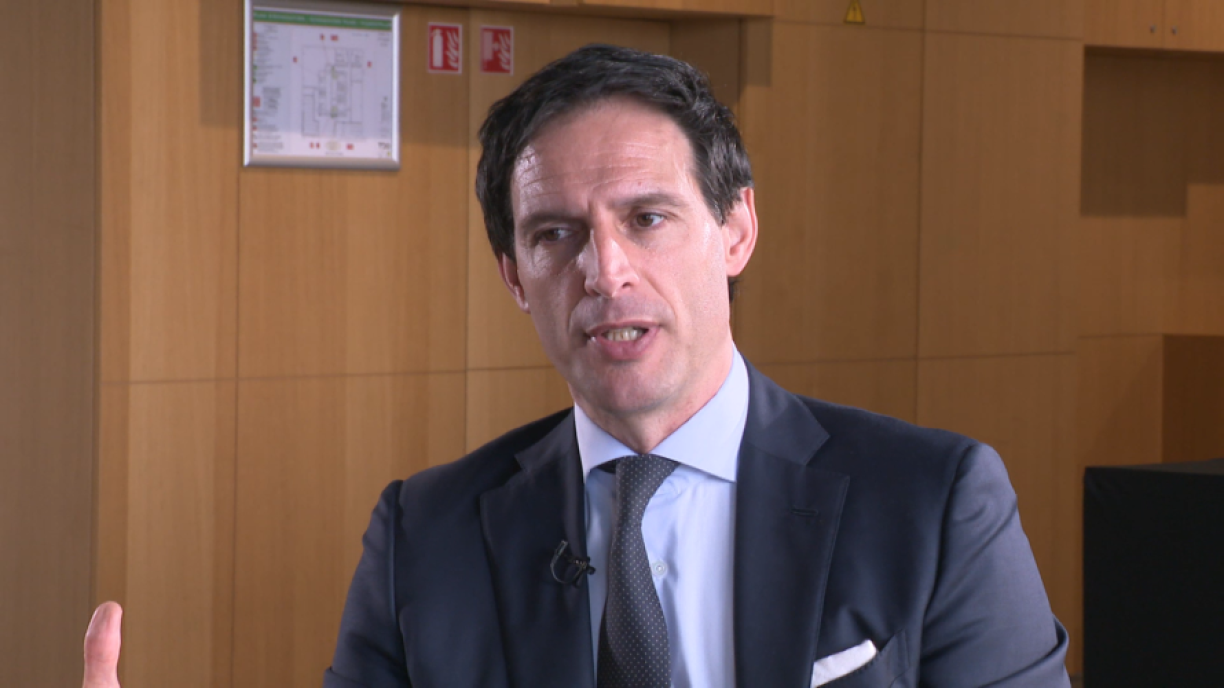
The EU must speed up its energy transition while ensuring citizens are supported throughout the process, EU Commissioner for Climate, Net Zero, and Clean Growth Wopke Hoekstra said during a visit to Luxembourg.
In an interview with RTL, Hoekstra called on all 27 member states to step up efforts to meet the EU's goal of becoming climate-neutral by 2050. He stressed that this would require a broad mix of energy sources, including renewables such as solar and wind power, but also nuclear energy, a position that remains controversial in countries such as Luxembourg.
Hoekstra argued that there is no alternative if Europe wants to protect both the planet and its economy. The continent has limited natural resources, particularly when it comes to oil and gas, making it vulnerable to global geopolitical developments.
At the same time, he underlined the importance of bringing citizens on board. Surveys show that a large majority of Europeans see climate change as a serious issue and support the EU's goal of climate neutrality. According to Hoekstra, governments must therefore provide the necessary resources and support to ensure that everyone can take part.
He said that the EU cannot continue to expose member states, citizens, and businesses to global instability, calling for greater investment in electrification, cross-border energy connections, and a more efficient European energy market.
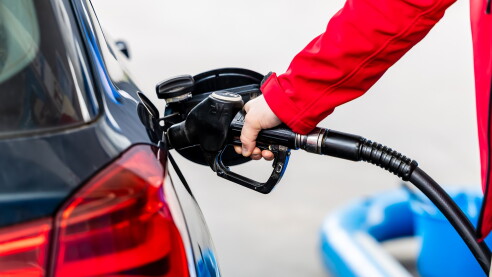
Recent geopolitical tensions have highlighted Europe's vulnerability. Referring to developments in the Middle East, Hoekstra noted that energy prices have risen sharply. European consumers and businesses are already feeling the effects, whether at the fuel pump, in factories, or when heating homes.
The European Commission estimates that since the start of the Iran war, Europeans have spent more than €20 billion extra on energy compared to the same volumes earlier in the year.
This follows a similar situation in 2022, when Europe was heavily dependent on Russian energy supplies. Hoekstra warned that two shocks happened within five years, adding that there is no guarantee such crises will not happen again.
Even if the current situation stabilises in the coming weeks, the economic consequences are likely to be felt for months, and in a worst-case scenario, could lead to a broader economic crisis, he said.
Beyond energy, the commissioner also addressed other policy areas, including plans to reform tobacco taxation at EU level. Discussions are ongoing on setting minimum tax levels and adapting rules to new products such as e-cigarettes, in coordination with member states.
He also commented on environmental taxation, including ideas such as deposits on plastic products. While some EU-level measures already exist, Hoekstra emphasised that taxation remains primarily a national competence, with member states responsible for deciding whether to introduce such schemes.