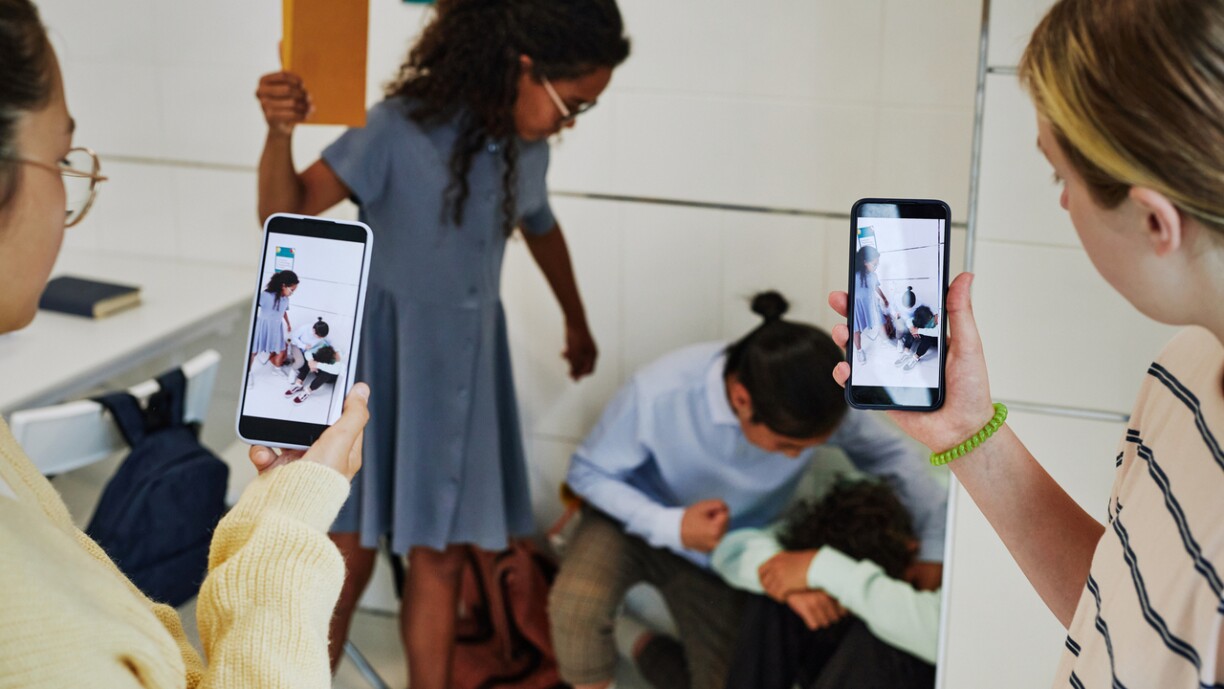
As cases of online harassment and the non-consensual sharing of intimate images continue to rise, the Luxembourg government is moving to strengthen its legal framework against cyberviolence.
It may sound like a cliché, but it remains true: the internet does not forget. This is particularly the case for images that were never meant for public circulation. Photos that young people, often in relationships, share privately can end up online or on the phones of classmates and acquaintances, with potentially serious consequences for victims.
According to Ana Pinto, president of the association The Voice of the Survivors, the impact can be severe. She warned that in cases involving intimate images, some children or teenagers may be driven to take their own lives. For this reason, she welcomes plans to update criminal law to better tackle cyberviolence.
Justice Minister Elisabeth Margue said the reform is intended to address the way technology and social media have made certain offences easier to commit, allowing harmful content to spread much more quickly. The proposed legal changes are therefore intended to cover a wider range of situations.
These include so-called cyberflashing – sending unsolicited sexual images – which would explicitly allow victims to file a complaint. The law would also penalise anyone who shares, publishes, or forwards such images.
The same applies to "sextortion", where someone is blackmailed using intimate material. While some of these acts can already be prosecuted under existing harassment laws, Margue says the new provisions will strengthen the legal framework.
The draft also introduces specific offences such as group harassment and online stalking.
Penalties would depend on the nature of the offence, with Margue emphasising a graded approach. In cases involving blackmail, for example, harsher penalties could apply.
According to Margue, distributing sexual content could be punishable by prison sentences ranging from six months to five years and/or fines of between €251 and €5,000. If the offence involves a minor, aggravating circumstances could apply, increasing prison sentences to between two and five years, she said.
Pinto noted that cyberviolence is becoming an increasingly serious issue, particularly in schools. With the internet, bullying no longer stops at the school gates but continues at home, she said.
She hopes the legal changes will give judges clearer tools to act, but also warns of practical challenges. There are concerns that cases could still be dropped due to a lack of police officers or court staff, or that proceedings could take years before reaching a judge, according to Pinto.
Although the association The Voice of the Survivors was only partially involved in drafting the law, some of its proposals appear to have been taken into account.
Pinto explained that on 2 July last year, the government presented a draft bill with 57 proposed amendments to parliament and told the association that they would be invited to a committee to explain them, but this never happened. The amendments include stricter measures such as removing suspended sentences in rape cases and recognising coercive control: a form of abuse that involves isolating and intimidating a partner.
The draft law on cyberviolence has now been approved by the Council of Government and is expected to be submitted to parliament in the coming days. Margue hopes that the Council of State reviews it as quickly as possible so that it can be put to a vote in parliament.