31 victims were counted between 2017 and 2018, the majority of which were women, originating from non-EU countries in particular. In the margin of prostitution, the majority of victims were exploited for work.
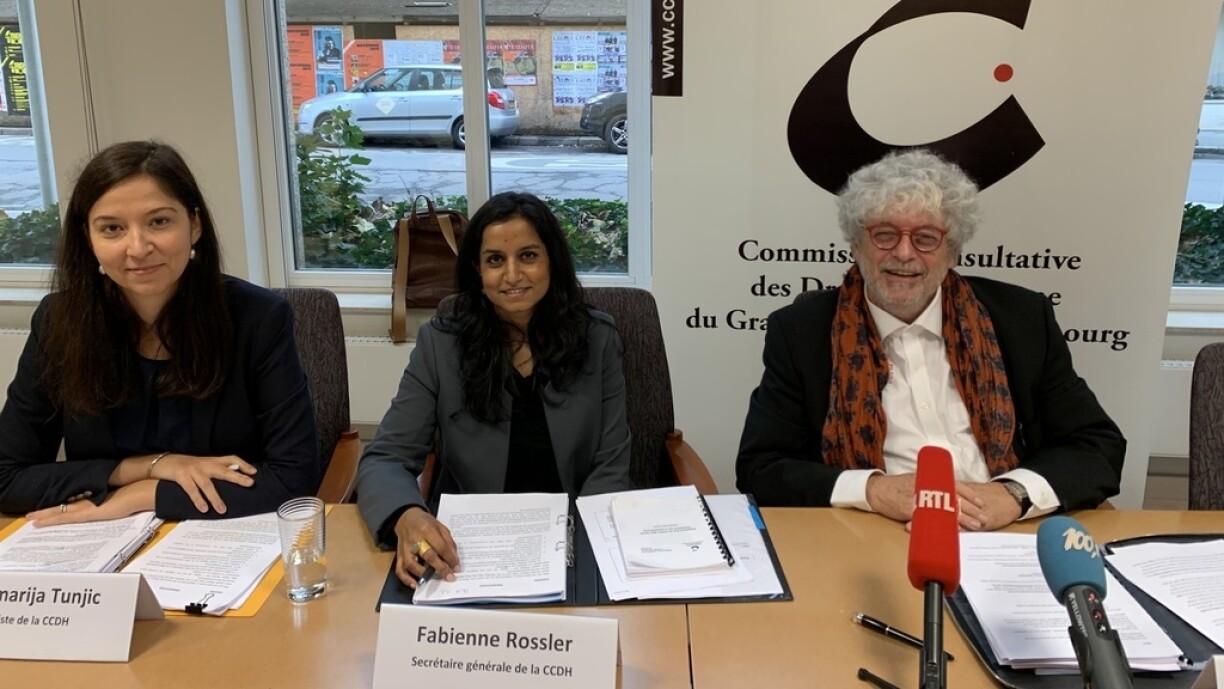
The president of the Advisory Committee on Human Rights (CCDH), Gilbert Pregno, said he regretted that the recommendations made in their first report had not been entirely implemented. Nothing is said to have happened on behalf of the Inspectorate of Labour and Mines (ITM), which is responsible for working conditions, with CCDH lawyer Anamarija Tunjic describing the administration as unconcerned.
The ITM, according to those present, should play a larger role in the fight against human trafficking in Luxembourg, through regular contact with employers and employees. The ITM could assist in gathering information, raising awareness and detecting victims of exploitation in the world of work.
According to Tunjic, there is no proactive approach on behalf of the ITM. She said the ITM had carried out more than 6,000 checks in the last two years, but not a single one of these checks targeted human trafficking.
The CCDH has proposed that the law concerning the powers of the Inspectorate be reformed. The government should increase its workforce. The Commission also recommended that the collection of statistical data on human trafficking be further optimised.
In addition, sanctions for human trafficking should become more radical, as fines and a few years of suspended imprisonment would not frighten organised and experienced traffickers. Such sentences were said to be too light for a crime such as trafficking.





