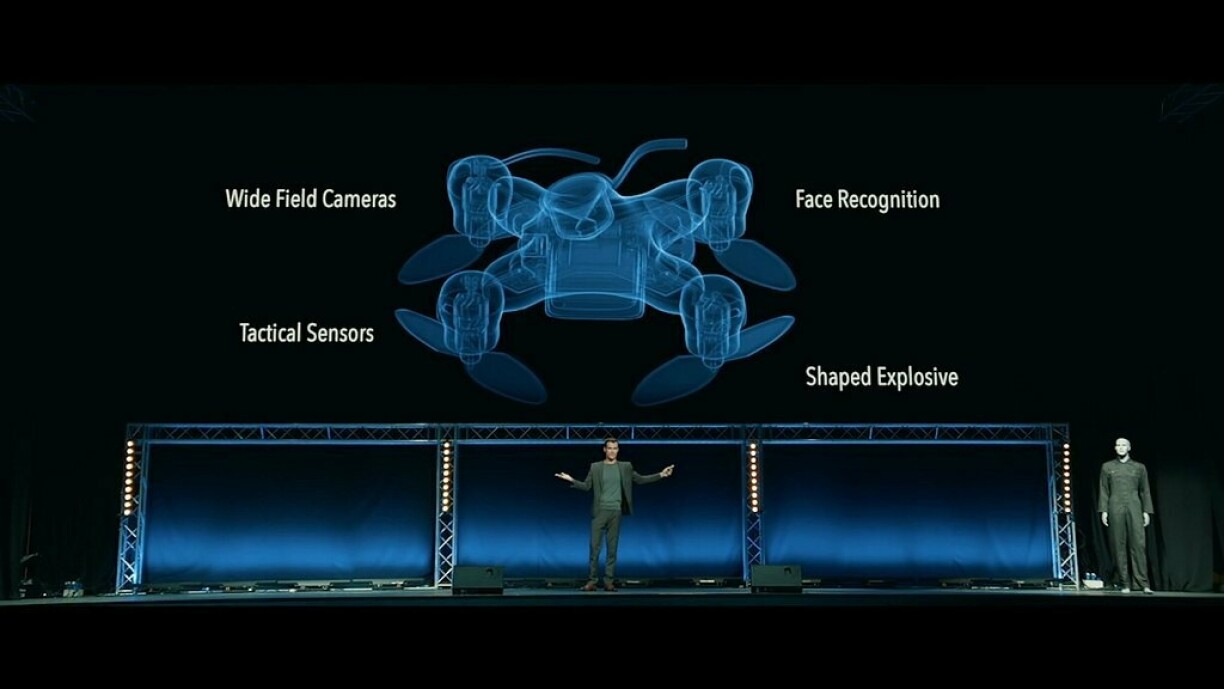
It might sound like a script from a science fiction film, but Minister of Defence François Bausch is adamant: "It is reality, and it is chilling".
Luxembourg's Ministry of Defence has been dealing with the subject of autonomous and lethal weapons systems for two years. An interministerial working group was launched on Friday, headed by the Ministry of Defence. This group is expected to provide a dossier by summer 2023, in which Luxembourg will take a clear position on these automatic lethal weapons.
The Minister has already set the tone, stressing that Luxembourg "will be among those countries that will demand very strict rules at international level, while still giving itself the means at national level to protect its population".
As part of a campaign to stop the "killer robots", scientists and states are trying to mobilise leaders through conferences and striking videos against the use of these pre-programmed drones to kill specific people. The drones make use of an algorithm that uses facial recognition software to easily find specific groups of people or even individuals and kill them, remotely, without human intervention.
Bausch explains that unlike other dangerous weapons such as chemical or nuclear weapons, which are more difficult to obtain or manufacture, the materials needed for drones are "available and relatively easy to manufacture". And the consequences can be "extremely devastating," according to the Minister.
These drones have already been used, for example in Libya against the troops of Marshal Haftar, according to a United Nations report. For Bausch, it is now paramount to set clear restrictions ensuring that a human must be in control of one of these devices at all times.
The members of the Future of Life Institute believe that "these weapons using algorithms to kill are immoral and a serious threat to global security" and that the international community needs rules.
The Luxembourgish government now wants to assume its responsibilities. According to Bausch, Luxembourg is not alone, as other countries, such as Austria or the Netherlands, are of the same opinion as the Grand Duchy. The next step now is "to form a coalition of nations that want an international convention capable of creating the necessary rules and laws," the Minister states.
The full report by RTL Télé (in Luxembourgish):





