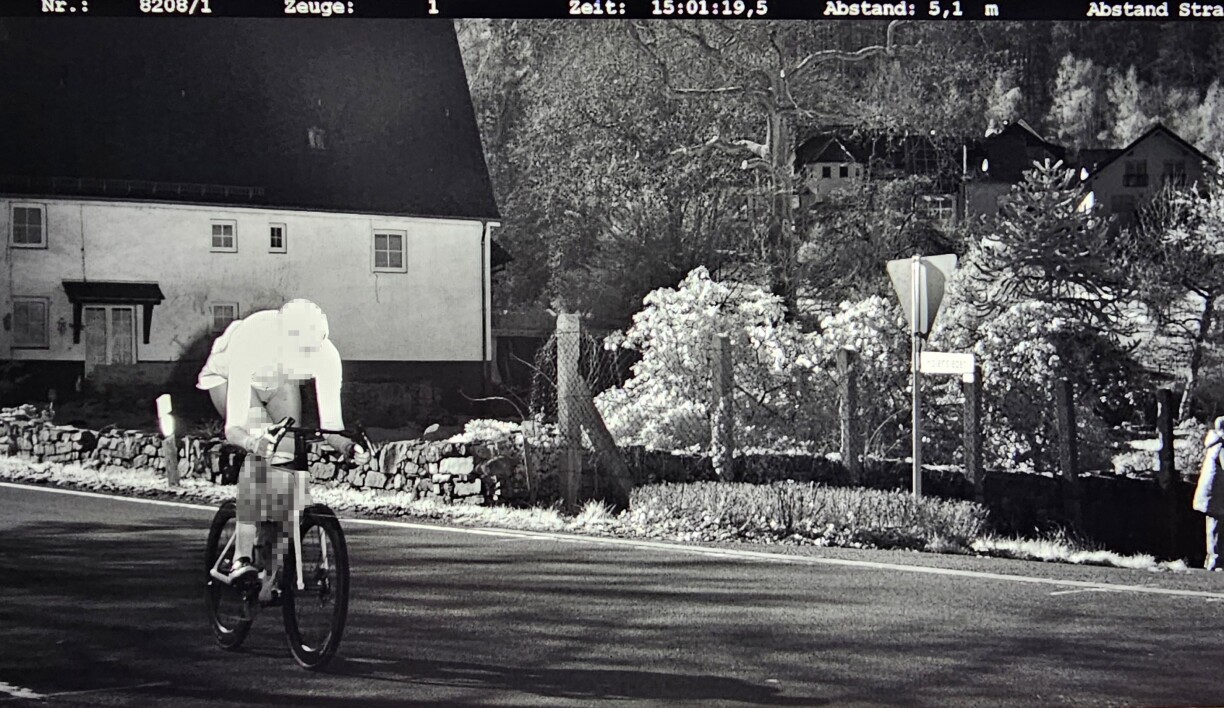
A cyclist caused a stir in North Rhine-Westphalia after being caught by a speed camera travelling at 59 km/h in a 30 zone next to a school in the municipality of Nachrodt-Wiblingwerde. That is almost twice the permitted speed – and more than most motorists recorded during the same check, according to police in Märkischer Kreis.
Yet the offence had no immediate consequences: bicycles do not have number plates, meaning police cannot identify the rider or impose a fine.
So how would a case like this be handled in Luxembourg? Cyclists should take note: the Road traffic regulations (Code de la route) also applies to them, as clearly set out in the law.
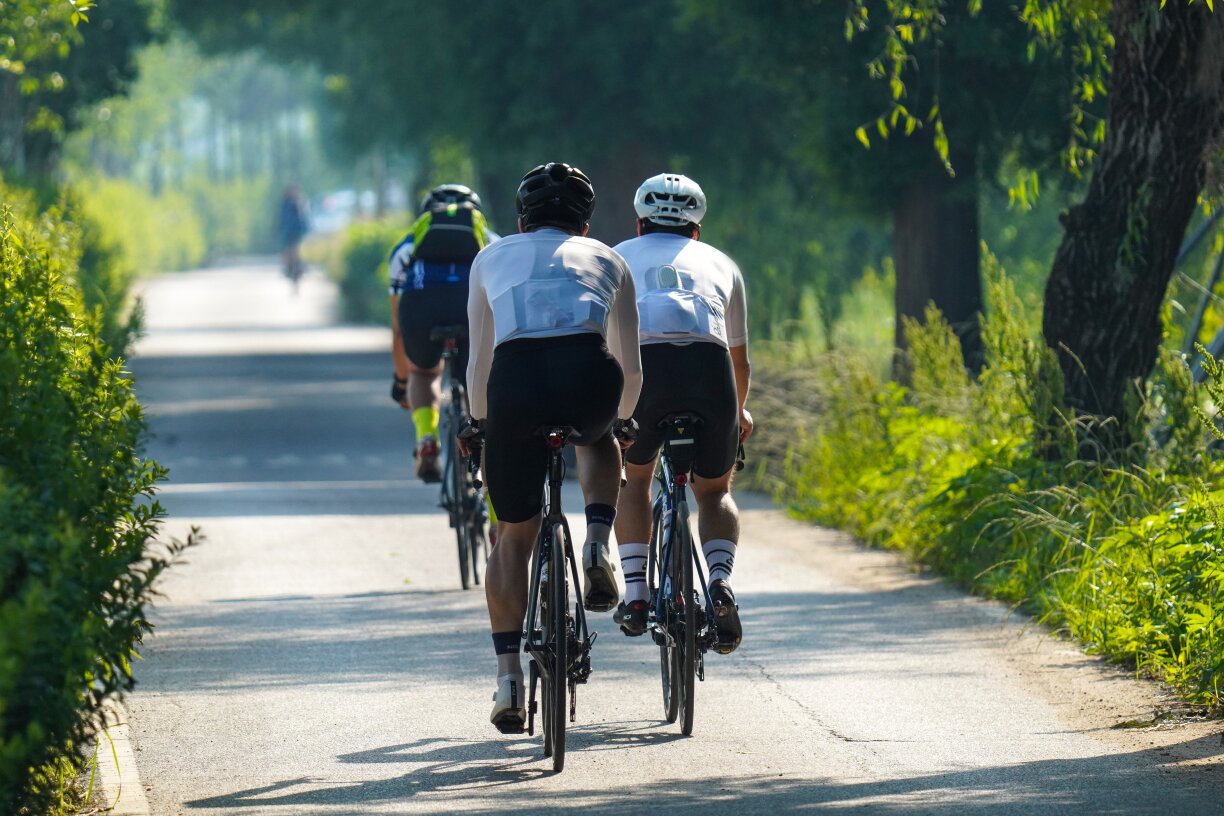
Under Luxembourg's Road traffic regulations, a bicycle is defined as a "cycle", meaning a vehicle powered by human effort. Legally, a cyclist is therefore a road user subject to the same basic rules as others, including speed limits.
In a 30 km/h zone, cars, buses, motorbikes, and bicycles must not exceed 30 km/h. The same applies in towns and villages where the limit is 50 km/h.
Automatic speed cameras identify offences via vehicle number plates. As bicycles generally do not have plates, identifying the rider is often impossible.
As a result, cyclists may be caught on camera but cannot be sanctioned because their identity is unknown.
The situation is different if a cyclist is stopped directly by the police. In that case, their identity is established on the spot, and they face the same penalties as any other road user.
The Road traffic regulations provides for a range of sanctions for speeding offences. In towns and villages, significant speeding can result in a fine and, depending on how much the limit is exceeded, penalty points may also be deducted. Importantly, the points system applies to the individual, not the vehicle.
In theory, a cyclist could therefore lose points if they commit an offence that carries such a penalty. In practice, however, enforcement for cyclists is often more difficult.
Riding at 59 km/h in a 30 km/h zone constitutes a serious speeding offence. This results in an immediate deduction of four points from a driving licence.
In addition to a standard fine, a formal report is drawn up, and the penalty is determined by the public prosecutor. In the worst case, the cyclist could even face a driving ban, meaning they would no longer be allowed to drive a car due to an offence committed on a bicycle.
If the person does not hold a driving licence, the points are deducted from a theoretical total of 12. This becomes relevant if they later apply for a licence.
At present, cyclists are still relatively rarely penalised, as speed cameras are primarily designed for motor vehicles. Nevertheless, speed limits should be respected: cycling too fast can be costly, and riding at nearly 60 km/h in a 30 km/h zone is not only expensive, but also poses a real danger.
For this reason, Luxembourg police regularly carry out targeted checks on cyclists and pedestrians.





