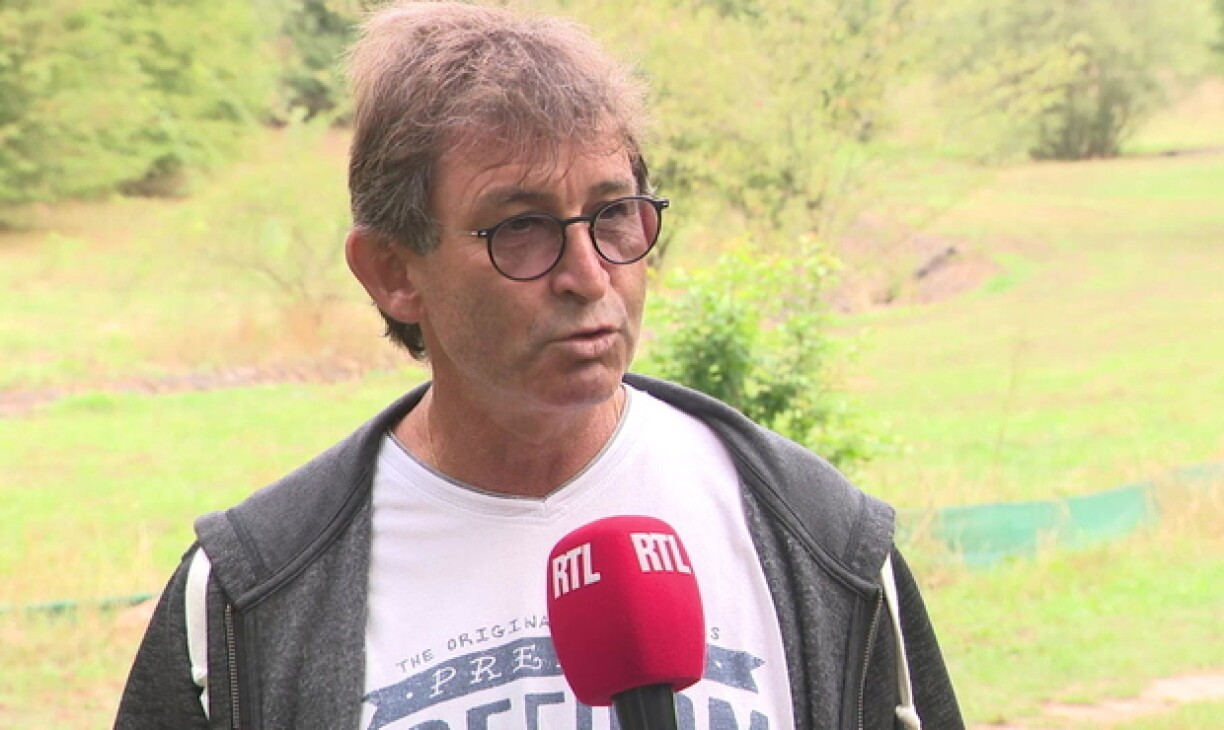
The legal battle between a Luxembourgish victim of glyphosate and his employer will move on to the Chamber of Counsel, after the investigation has concluded. Lammar's lawyer Jean-Jacques Schonckert confirmed the step forward in the lawsuit to RTL.
His client has filed a suit against the Kirchberg Fund on the grounds that the fund failed to adequately adhere to regulations concerning worker protections. The same suit demands compensation as his cancer has been officially recognised as an occupational illness. However, he has now been waiting for his compensation for a year.
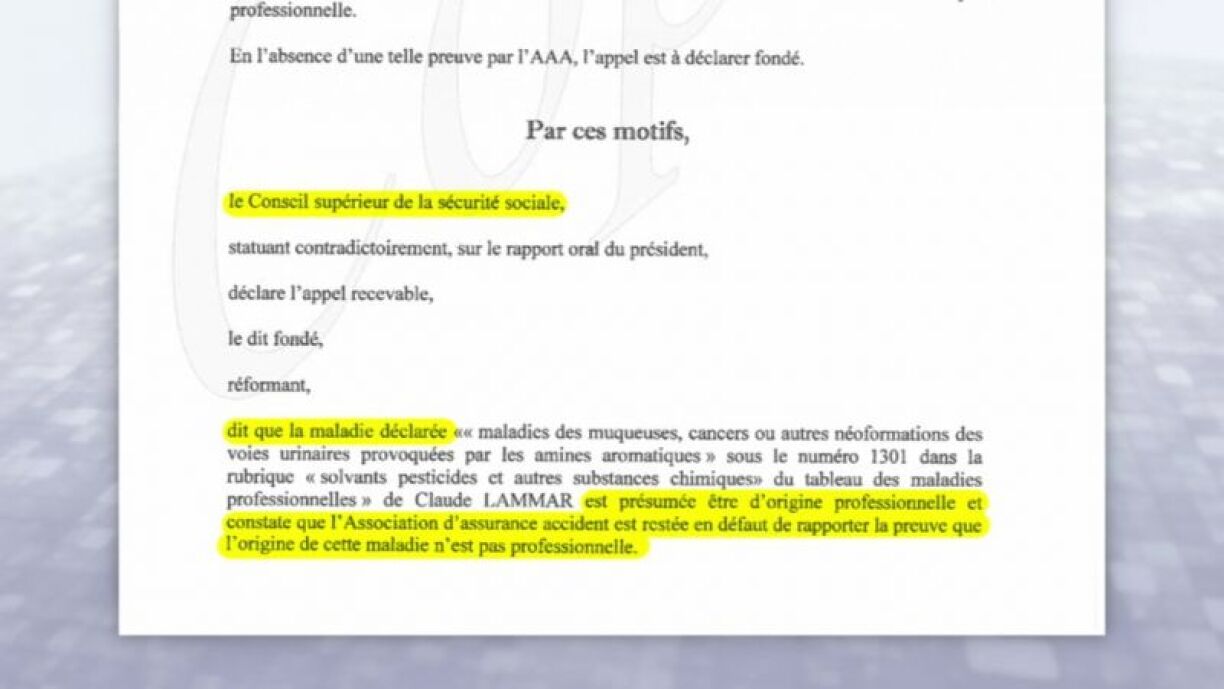
In terms of the use of the glyphosate product in question, the lawsuit could conclude without legal consequences, as the product had been authorised when Lammar used it. Schonckert assured RTL he would continue to fight for his client's rights.
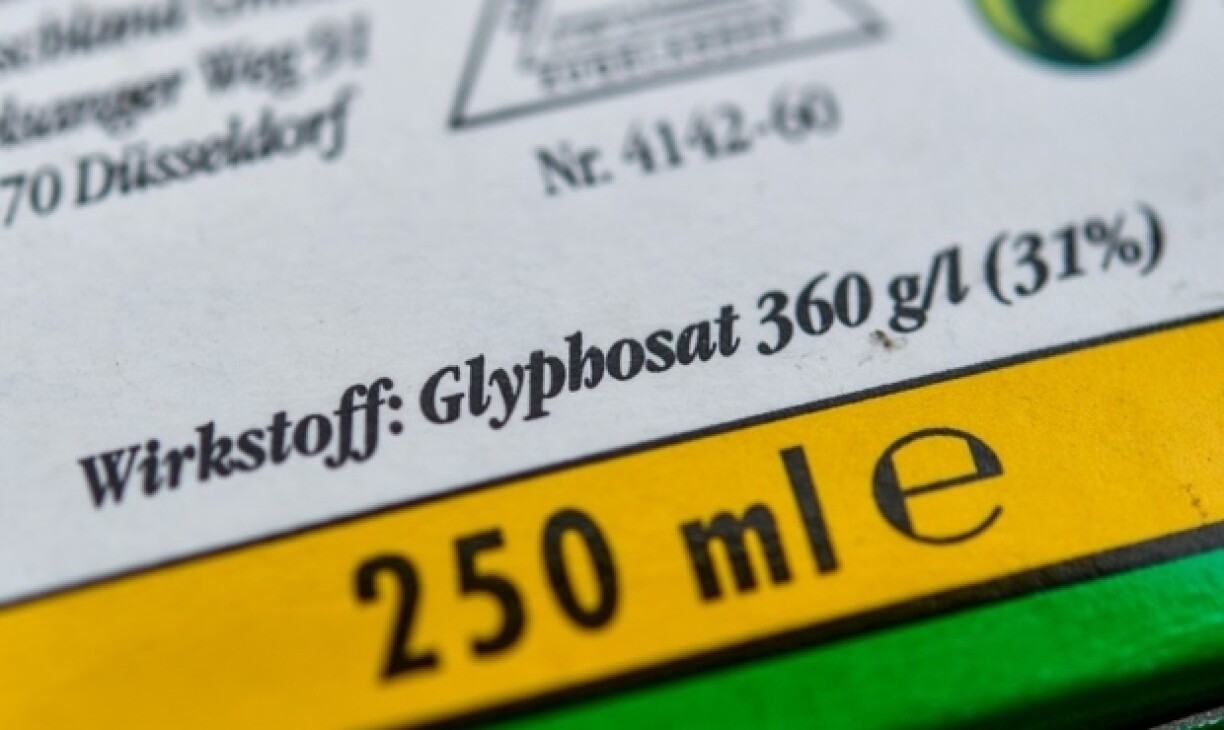
Lammar had worked along Kirchberg's roads using the weed killer on pavements for years and was ultimately fired in 2015 after having been on sick leave for 52 weeks. He then decided to file a lawsuit for his firing being unjust, as he had been diagnosed with cancer.
In 2018, the cancer patient decided to take the glyphosate producers to court, claiming they are responsible for his cancer. Lammar had received explanations from his doctor, ultimately stating that the strain of cancer usually only affects people under the age of 35. Diagnoses at an older age are usually due to external factors, such as chemical substances.
In 2017, the European Commission persuaded member states to extend the authorisation of the controversial herbicide until 2022, despite condemnation from environmental lobbyists and countries which voted against the measure, including Luxembourg.