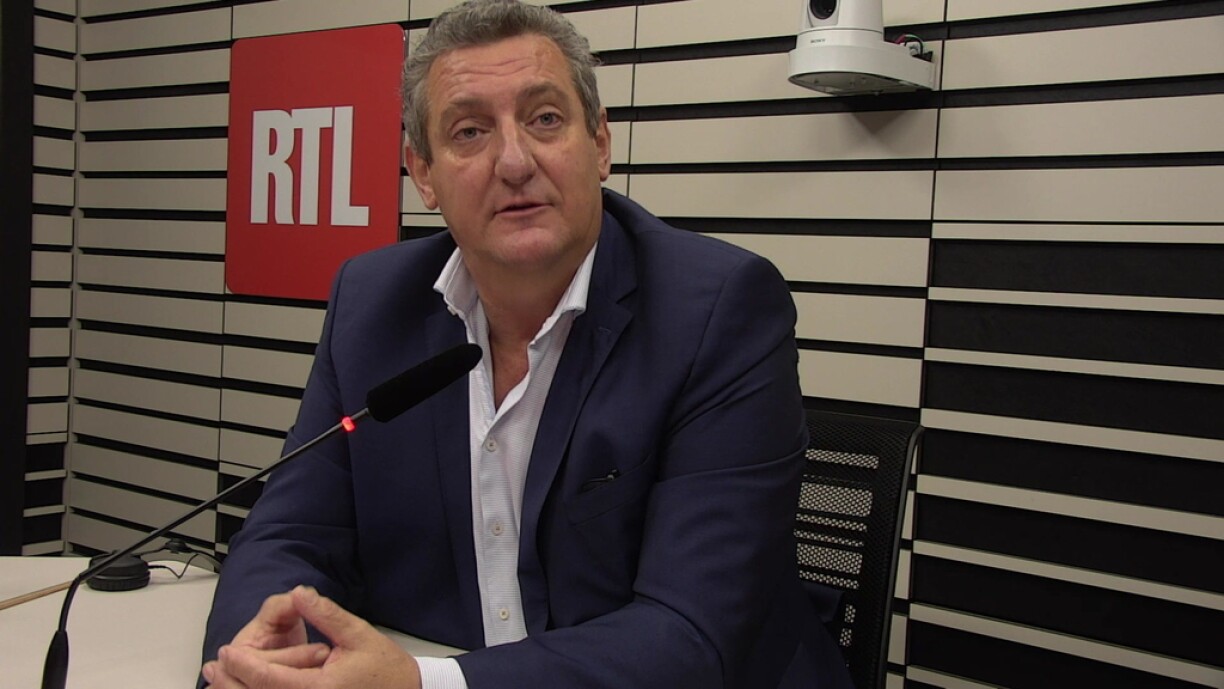
According to Schmit, what could already be expected will be confirmed at the end of the year. When companies are going to make their balance sheet, there will be many that will pull the emergency brake, the general secretary of the Federation of Artisans explained.
Artisans continue to suffer from the health crisis. The severity of the impact of the pandemic varies from one company to another. Companies linked to the events industry are particularly affected: caterers, pastry chefs, printers, photographers, etc. The cleaning sector has also suffered a lot, but here too, it has varied greatly from one company to another.
Consumer behaviour has changed. Municipalities also have less income, which in turn is felt by companies as they receive less orders. Short-time work had helped to avoid the worst, as had leave for family reasons, explained Schmit. But as far as direct aid to companies is concerned, the results are mixed. According to Schmit, aids were distributed in a very restrictive manner. Companies with more than 20 employees were not able to benefit from it. In total, €90 million was distributed as direct aid, i.e. non-refundable. While public aids were indispensable, according to Schmit, they must now be more targeted, towards those for whom it is really necessary. Companies should also be able to make use of short-time work beyond 31 December.
As far as Luxembourg's industrial policy is concerned, Schmit stated that Fage was only the tip of the iceberg. In the end, they had a solid case, but they were kept waiting for years. Schmit explained that Fage was actually a perfect example because many companies experienced the same treatment every day, even if not to this extent. He continued that it was also for this reason that many craft businesses had gone abroad, because here, their case was not moving forward. The general secretary then called for the responsible administrations to acknowledge the current situation, and come forward with clear instructions and constraints, which they would then respect.
As of right now, companies have the impression that everything is being done to keep them out. A "prevention policy", according to Schmit.
Schmit is also critical of teleworking, stating that it would not really work in all companies. In addition, it would sometimes require complex restructuring processes. Schmit also pointed out that it was detrimental to the Horesca sector because when making use of telework, employees stay at home and do not go out for lunch in restaurants.
After the Covid crisis, several collective agreements will be renegotiated. Schmit pleads for the search for new solutions, rather than constantly talking about acquired rights. The industries should have the possibility to develop as the times allow, in the interest of the company and the employees. According to Schmit, social policy was not a one-way street.





