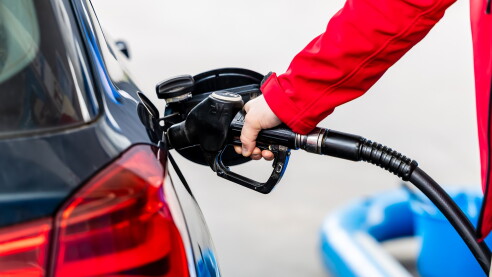
Diesel prices have surged sharply, reaching a new record of €2.18 per litre over the weekend. The previous high of €2.11 dated back to 10 March 2022, when the war in Ukraine and supply shortages had driven prices up.
Despite the increase, many people say they have little choice but to keep using their cars for commuting and daily errands. Several motorists explained that, in the short term, they cannot simply change their habits or switch vehicles.
One driver noted that he had not altered his routine, as he still needs to drive to work and cannot afford to replace his car just because fuel prices have risen, adding that the speed of the increase has been frustrating. Another person stressed that having a car remains essential, even if households are trying to cut back on other expenses such as heating.
Before the war in Iran, petrol prices were around 20 cents lower. Heating oil and diesel have seen increases of more than 50 cents per litre within just a few weeks. As a result, some people are turning to public transport.
One commuter explained that she had previously considered driving due to frequent delays and works on the rail network, but has now switched back to the train because of rising fuel costs. Others say they are using buses more often, particularly for trips into town, as public transport is free.
However, this is not a viable option for everyone. Some residents pointed out that, depending on where they live, public transport connections are limited, meaning journeys can take two or three times longer. One person added that this makes spontaneous travel difficult, so for now they remain reliant on their car.
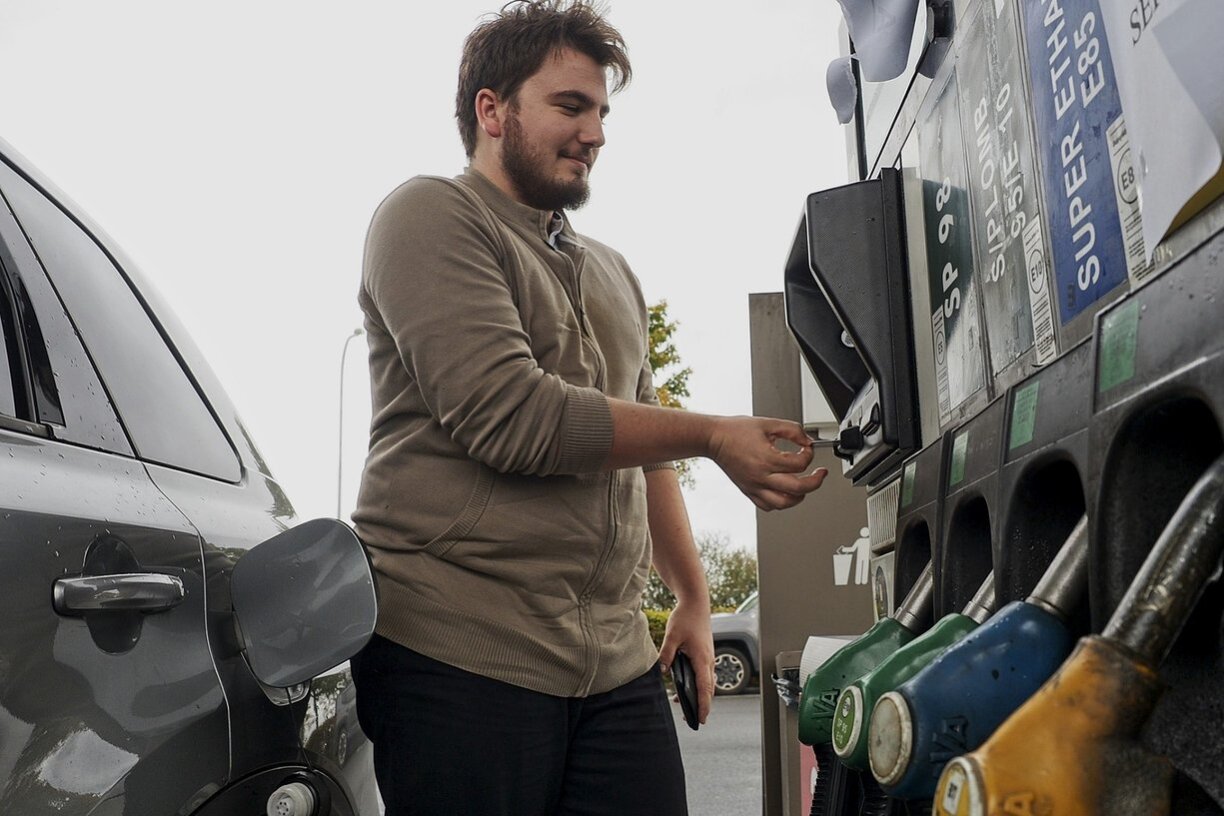
In France, fuel shortages are beginning to appear at some petrol stations. According to the authorities, this is due to logistical issues rather than a lack of supply.
In Luxembourg, energy supply is currently still guaranteed, officials say, although many residents report feeling the impact of the crisis in their daily expenses.