As concerns about personal safety remain common, police in Luxembourg are also reminding the public that defending yourself is subject to clear legal limits.
In conversation with RTL, Steve Goedert, head of the Crime Prevention and Road Safety Department of Luxembourg City police, explained that only very limited means are allowed. He noted that items such as pepper spray or gas sprays, often bought online and carried in bags, are in fact prohibited weapons in Luxembourg.
Even for police officers, he explained, using pepper spray is considered the use of a weapon and must be reported to the public prosecutor and justified.
Beyond the legal aspect, such items can also backfire. Wind conditions or a struggle could cause the spray to be used against the person carrying it. Instead, Goedert advised relying on everyday objects that are already at hand and are legal to use.
He explained that items like a handbag or an umbrella can be used to defend oneself if necessary, as they are not considered weapons in themselves. However, any response must remain proportionate. If an attacker backs off, he stressed, the victim should not continue to strike.
A whistle can also be useful, as it helps attract attention and draw witnesses, which can be crucial when filing a complaint afterwards.
To learn how to respond properly in such situations, people can take part in personal safety courses offered by the police in Luxembourg City, which are held twice a year. The training is built around three main pillars.
According to Goedert, the first pillar focuses on recognising and avoiding dangerous situations. He explained that this is the logical starting point, as people should aim not to put themselves in risky situations in the first place.
If avoidance is no longer possible, the second pillar focuses on how to react. Goedert said that participants are taught to use what they have at their disposal, regardless of their age or physical condition.
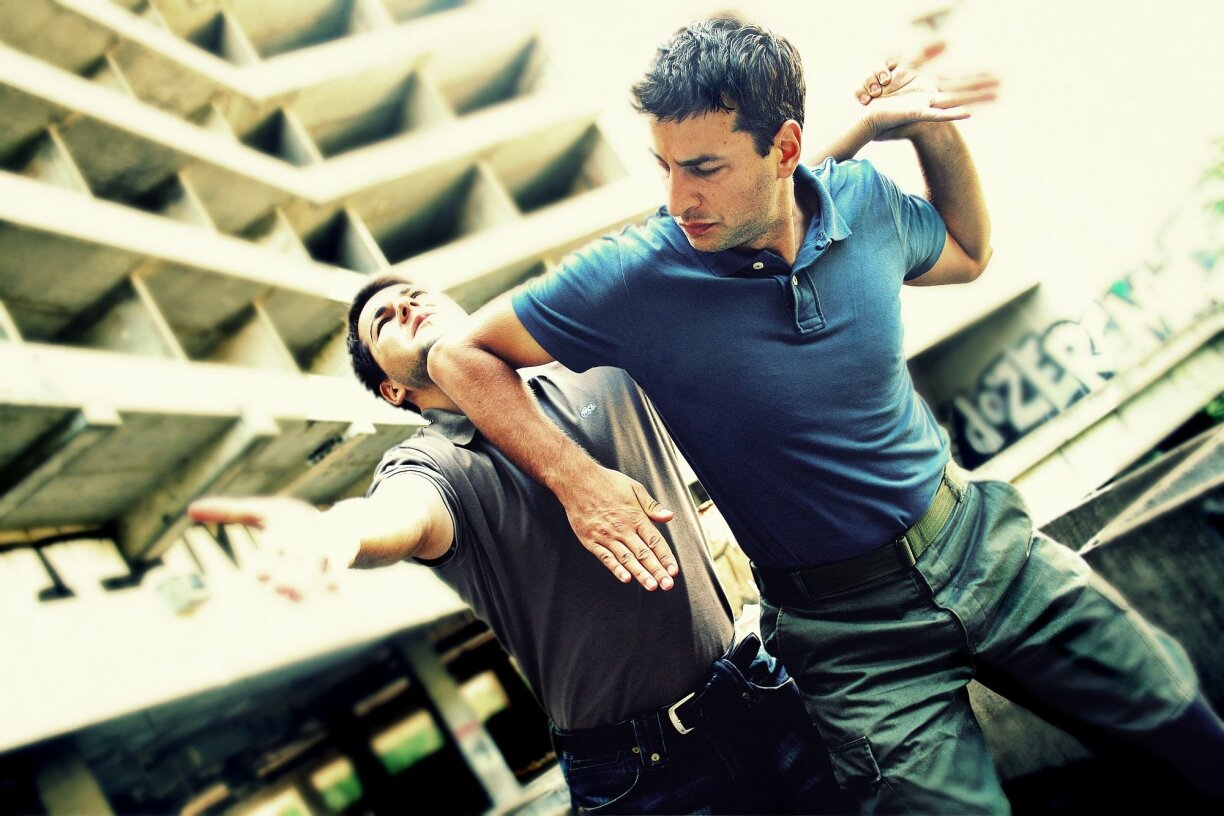
He stressed that whether someone is young or elderly, they need to be able to do something to free themselves from a hold or threatening situation. For this, he said, the police work in cooperation with a Krav Maga centre.
The third pillar addresses what happens afterwards. Goedert noted that while some people are able to move on quickly after such an incident, others may experience trauma and need to process what has happened.
The training therefore also involves cooperation with other organisations to help participants deal with the psychological impact, according to Goedert.
The courses also give participants an insight into police work, which can help build a sense of security.
Goedert explained that participants can see how police operate, including what happens during an interview, how reports are drawn up, and what procedures follow once a case has been handled.
He highlighted the importance of understanding these processes, which can help people feel more confident and better prepared.
Ultimately, if there is no way out of a situation, the advice is clear: it is best to hand over money or valuables to avoid further harm.





