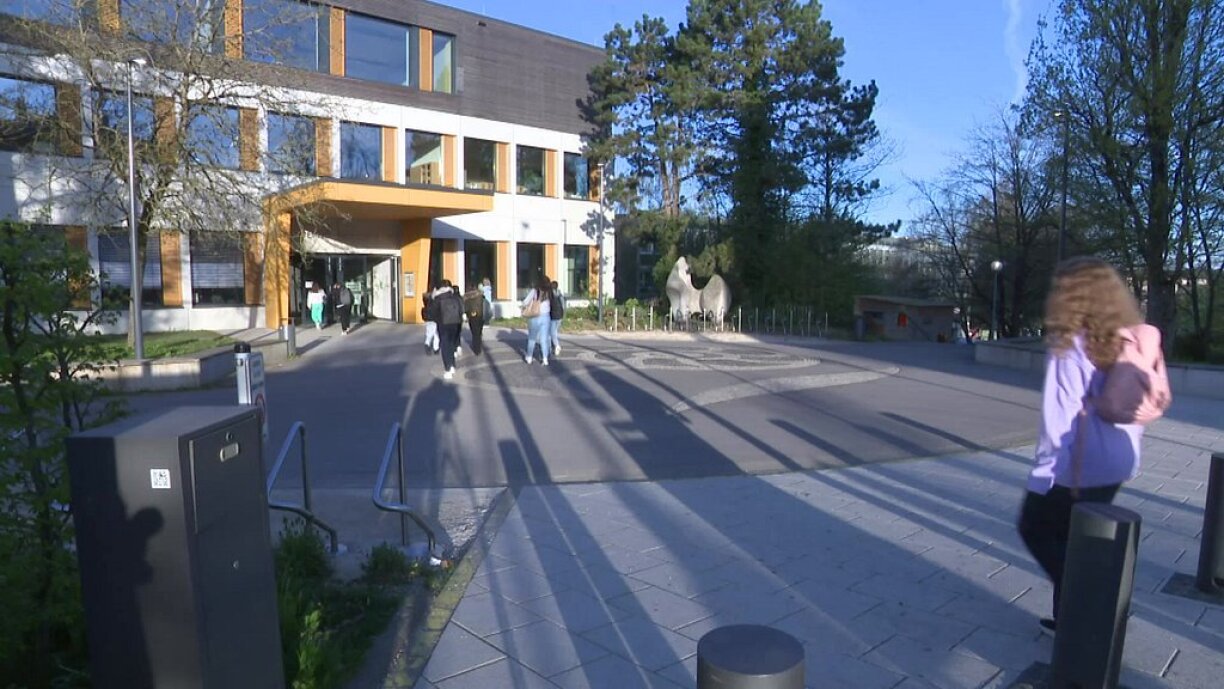
The biggest challenge of the unfolding refugee crisis is to make sure that everyone has a place to stay. However, school enrolment for Ukrainian children has worked well until now, believe Syvicol officials.
President Emile Eicher noted: "The municipalities with European schools have the most difficult task, because they get most people and still have to set up daycares. We know that there were already shortages in that area before the war began."
While the Ministry for Foreign and European Affairs advises towns to only set up infrastructure that can house at least 100 people, Syvicol members think that it is easier to organise smaller venues. Eicher also underlined that there is a willingness to build new places, should the National Bureau for Admission (ONA) require them to do so.
Another point of discussion was the reintroduction of cultural leave. After the measure was eliminated for close to ten years, officials now believe that it is time to allow employees once again to apply for leave if they participate in cultural and artistic activities. The measure is set to apply both in the public and private sectors.
Eicher explained that there is however a point of contention when it comes to the different treatment between municipal and civil servants: "We don't think it is right to differentiate between government and municipality. If this is changed so that everyone ends up being treated equally, then we will be satisfied!"
Syvicol officials also talked about a draft law designed to regulate the admission conditions for professional fire brigades, which they believe lack balance.
Eicher elaborated: "We fully agree with language proficiency, which is monitored more strictly than in other jobs. However, we worry that the lowering of physical standards may cause a problem, as we think that people working in emergency service teams should be extremely fit."





