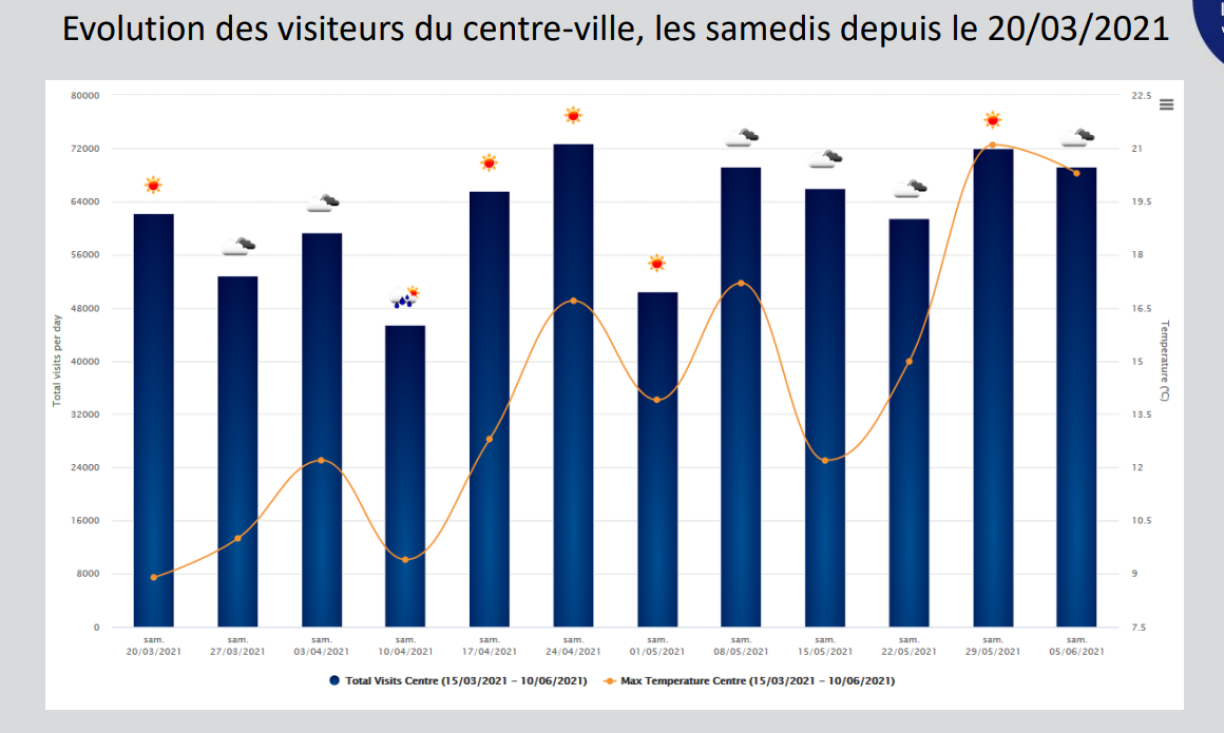
It has now been a year, with interruptions, where bars and restaurants have been allowed to have provisional terraces in Rue Notre-Dame. The municipality of Luxembourg City has secretly made use of that time to document the flux of pedestrians in the respective street, councilman Serge Wilmes revealed on Wednesday.
The CSV politician is in charge of both the city's information technology and commercial sector. He explained that since the terraces have been allowed in Rue Notre-Dame, more people find their way to the downtown area.
The so-called "Smart City" project was first launched in 2019. After a testing period of different monitoring systems, the municipality decided to make use of its 800 wifi distributors, which are dispersed all over the city.
Pedestrians that walk by and carry a smartphone will thus be registered, without a need for them to connect to any of the stations. Passive wifi signals from smartphones are enough to create an entry in the system.
Stephen Lowe: Say Cheese - Why is CCTV such a dirty word?
Data is then stored for 24 hours on the city's servers, all in anonymised fashion, Wilmes underlined: "It is not possible to trace information back to a person."
Having been tested for a year, the project has already allowed to gather some tangible evidence. For instance, the monitoring has made clear that Saturday is by far not the day with the most visitors flocking to the city. Furthermore, numbers are highly dependent on weather.
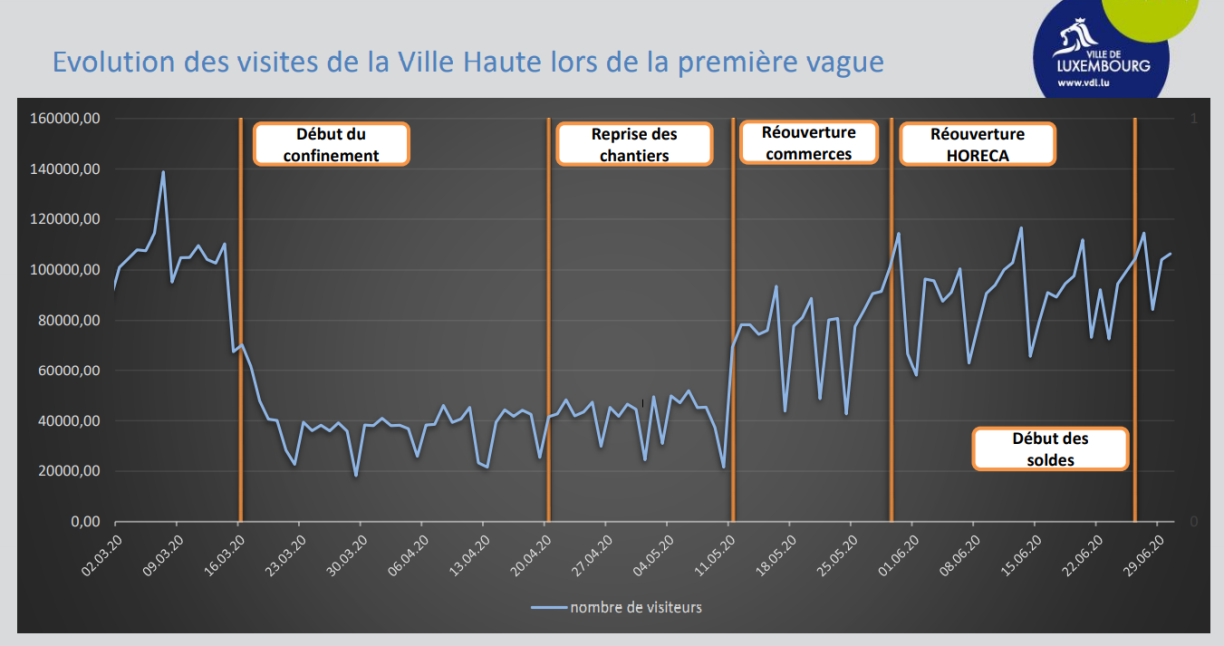
Naturally, there is also room for error in the system, given that not everyone walking around the city carries a smartphone, tablet, or laptop. Others on the other hand have all three devices.
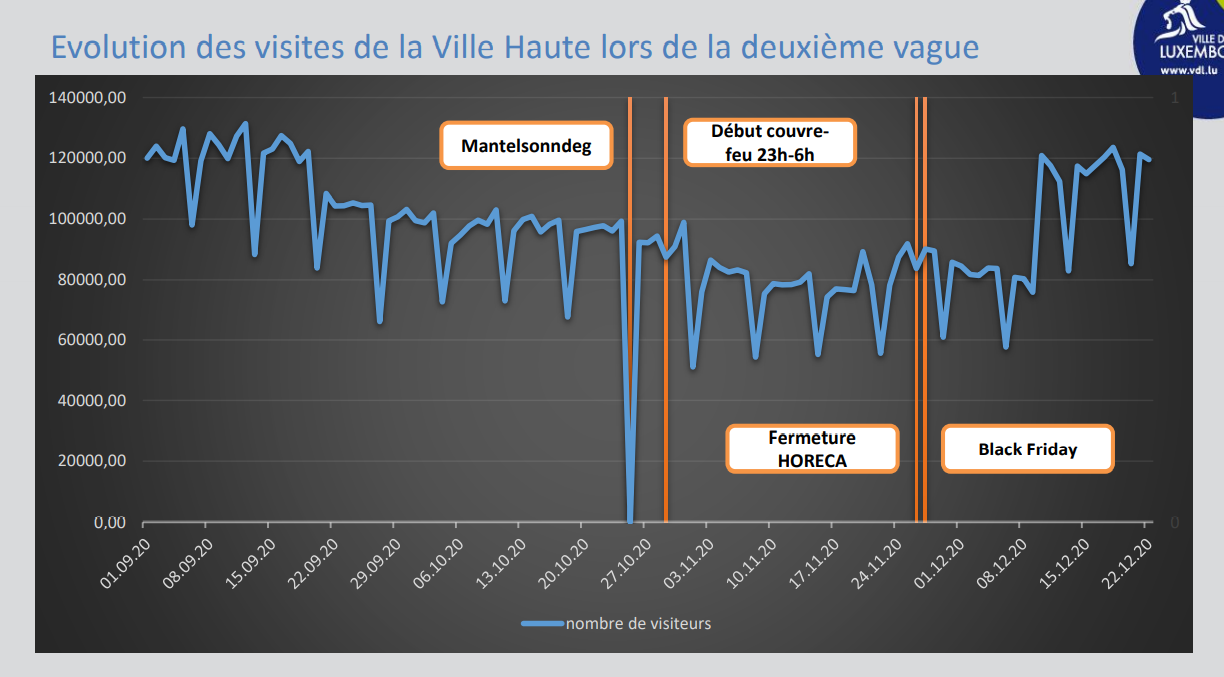
During the first period of national confinement, the flux of people in the city dropped by 80%. From an average of 140,000 monthly visitors at the beginning of March 2020, the rate often dropped below 20,000 until May 2021. During the second wave, the decrease was less significant at 20%.