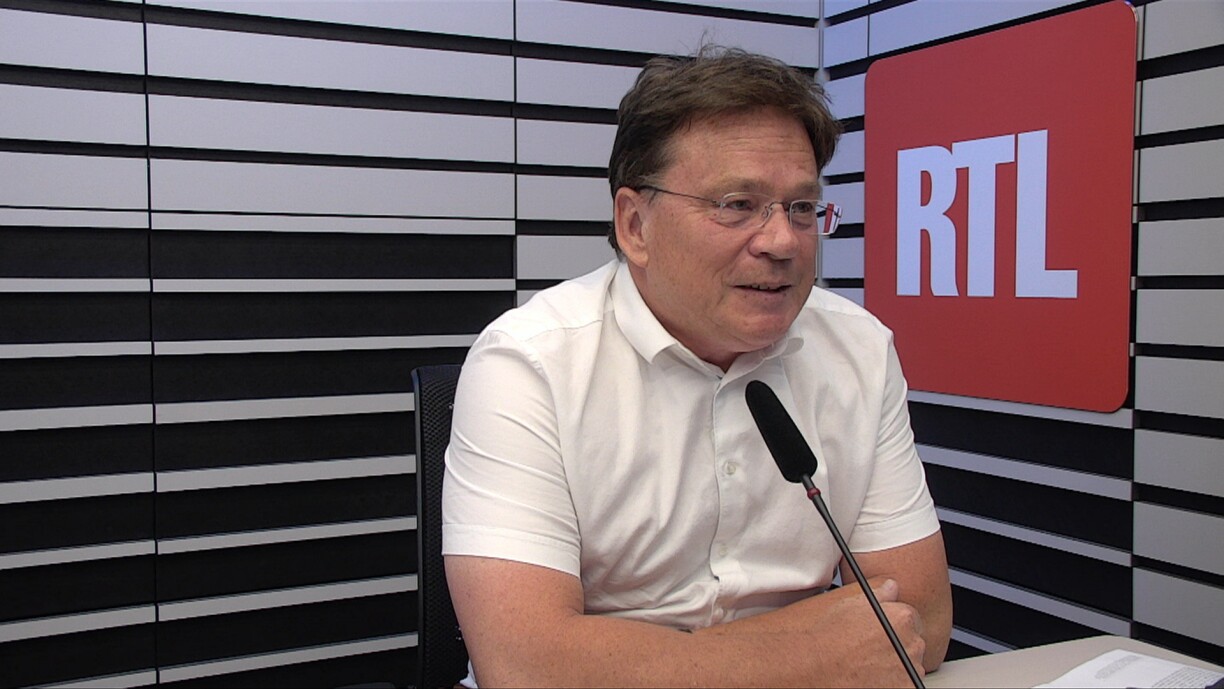
Although initial estimations forecast another index cut for early 2023, Allegrezza does not rule out the possibility of one becoming necessary before the end of this year due to the rising inflation. Additionally, a prolonging of the war in Ukraine may lead to 3.4% inflation next year. On 3 August, STATEC is set to publish its latest calculations.
According to the tripartite agreement from March 2022, no second index cut is to be made this year. This means that in theory, several cuts may have to be made simultaneously in April 2023. However, the government has already announced that a new tripartite meeting will be organised in that case. Allegrezza believes that the current situation will force these discussions to start much earlier and be more "heated" than before.
STATEC is also currently modelling the potential economic implications of a full Russian gas embargo. The predications can however only be finalised once the government has announced its relief package. The respective text will outline pertinent details, including which factories will have to reduce activities. Allegrezza conveyed that the publication of the government's relief package is supposed to be immanent.
The STATEC director was also asked about recent criticism from the Independent Luxembourg Trade Union Confederation (OGBL), which noted that the Institute's calculations are too simplified and fail to take all the various income scenarios into account. Allegrezza responded that the union simply took a different approach in its estimations, but that both takes on the tripartite agreement are justified.
He also acknowledged that there are big differences in household revenues, which can theoretically be included in calculations. Nevertheless, these render the process much more complicated, and the STATEC approach already categorises revenues in five different ways.





