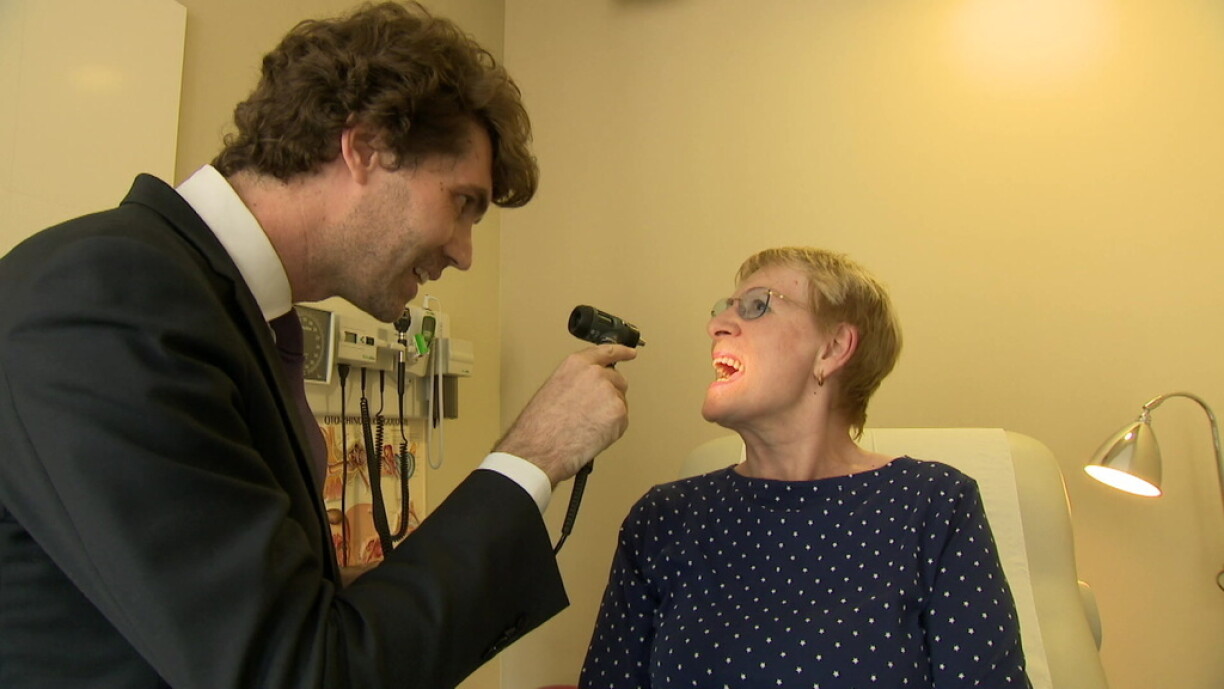
44 cases of tuberculosis were recorded in Luxembourg in 2018, which is an increase of 18% in comparison to the previous year.
In an RTL interview, the Health and Social Welfare Centre (Ligue Médico-Sociale)discussed bacterial and infectious diseases, as well as other social and health-related issues.
The Luxembourg Health and Social Welfare Centre first started out 110 years ago. It was founded to fight tuberculosis and their activities have since spread to other areas, such as prevention, the social health domain, and social issues. The Ligue’s secretary general Jean Rodesch pointed out that the presence of tuberculosis is very high.
He explained that no fewer than 16,000 consultations took place last year, which is in part influenced by the large number of migrants coming to the Grand-Duchy. As part of the immigration process, individuals have to attend a tuberculosis test in order to receive their residence cards. People from all over the world come to Luxembourg, including refugees.
2018 counted 44 cases of tuberculosis, which is an increase of 18% in comparison to the previous year. In the fight against the disease, Rodesch particularly highlighted the importance of cooperation within the health sector, as well as doctors acknowledging the seriousness of the disease.
Tuberculosis is known to be one of the deadliest infectious diseases in the world, counting roughly 4,500 deaths per day. A quarter of the world’s population carries the infection, which, however, does not mean they will experience symptoms. Those remaining particularly at risk are individuals who are living in poor socio-economic circumstances, carrying HIV, are malnourished, or suffering from diabetes, according to the Ligue.
A lot of work has been done in the social area especially, according to Rodesch, who says that support is available for households with financial difficulties. The Ligue is particularly worried about people who are heavily indebted.
He pointed out that the Ligue received around 2,300 applications, counting 400 files of excessive debt that are currently being treated. The centre is attempting to help individuals get out of financially difficult situations but official numbers reveal that 10,000 wage garnishments were carried out in 2018. Rodesch described those numbers as shocking and highlighted the importance of cohesion within society.
The centre also found that in 54% of excessive debt cases, loans were taken out in Belgium. The Ministry of Economy and the Financial Sector Supervisory Commission (CSF) should work together to get the issue under control, according to Rodesch.
He added that individuals should be particularly careful with mortgages in Belgium – whilst offers may look tempting, interest rates are often very high.





