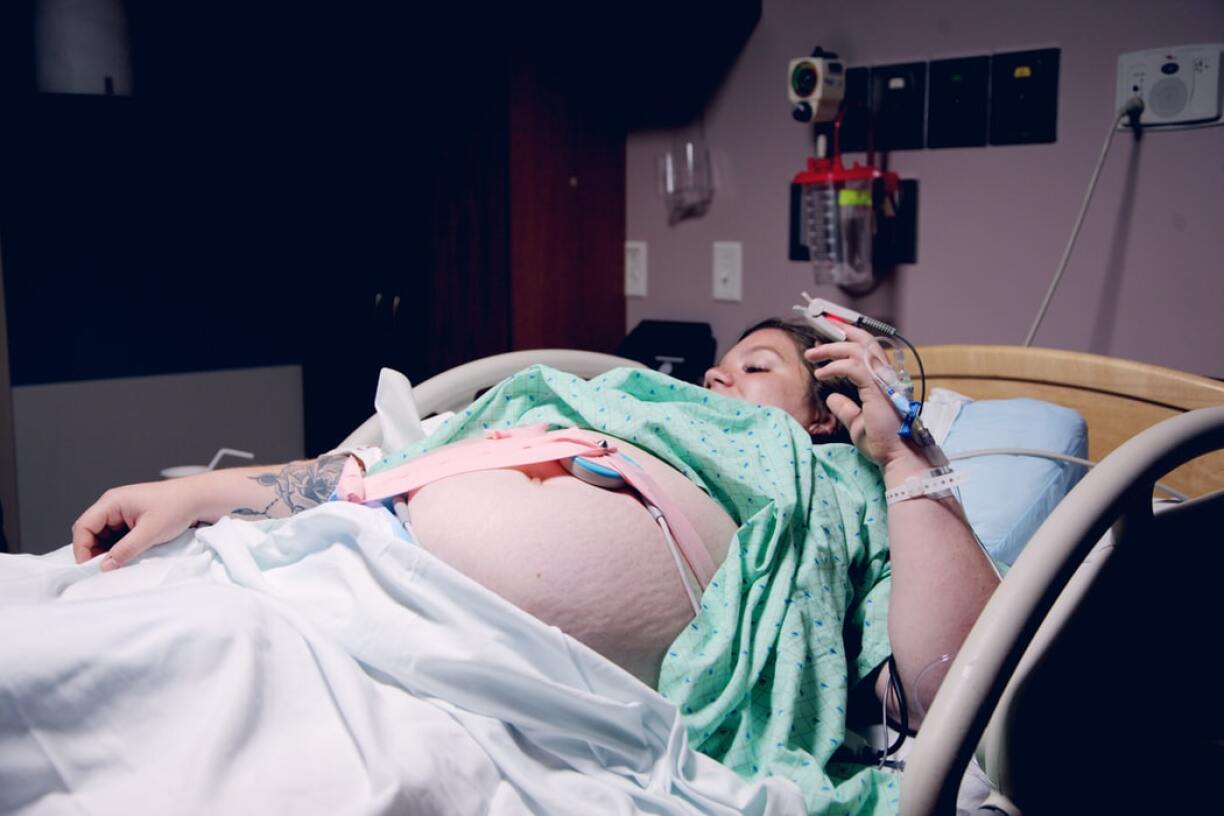
It is a form of violence that tends to be swept under the rug: obstetric and gynecological violence are still largely taboo. Women themselves are not always aware that their experiences of the neglect, physical harm and lack of respect during childbirth can be counted as abuse.
Practices such as episiotomies (a surgical cut made at the opening of the vagina during childbirth to aid a difficult delivery), pain that goes unattended, abdominal compression, excessive vaginal touching during birth or when anaesthetised, and lack of information given to women are some examples of what is known as obstetric violence.
However, more and more women report sexist acts and violence during gynecological consultations and during childbirth.
According to Minister of Health Etienne Schneider, there are neither specific records pertaining to number of cases nor any surveys undertaken on the matter, replying to a Democratic Party Gusty Graas's parliamentary question.
He nevertheless specifies that the perinatal register does record the rates of deliveries undergone with episiotomy. In Luxembourg, 26% of the childbirths in 2014 featured an episiotomy, and 22,5% in 2016. By comparison, in France, the episiotomy rate went from 27% in 2010 to 20% in 2016 with significant discrepancies between maternity hospitals. Besançon, for example, has a rate as low as 1% and a maternity with zero episiotomies.
It seems that health professionals' awareness of the patient's wellbeing as crucial is becoming standard practice. Simultaneously, the Ministry of Health is convinced that more needs to be done to raise awareness among all professionals and the general public.
The opportunity to integrate gynecological and obstetric practices into health education is on the agenda, as are issues related to gender and sexual ambiguities - five children with an "undetermined" gender were born in Luxembourg between 2009 and 2017.





