Grain growers in Luxembourg report a mixed harvest, with winter cereals such as wheat, barley, winter rye, and triticale performing close to the long-term average, both in terms of quality and quantity. Steve Turmes, director of the cooperative Saatbau-Genossenschaft, explains that the quality is acceptable this year, but yields are slightly down, reflecting a generally manageable situation for winter cereals.
However, spring-sown grains have fared considerably worse. Both the volume and quality of these crops are down, with farmers reporting a 10 to 15% drop in grain yields compared to last year. Serge Turmes, general director of De Verband, attributes the shortfall mainly to the intense heat at the end of June, when temperatures in Remich soared above 40°C.
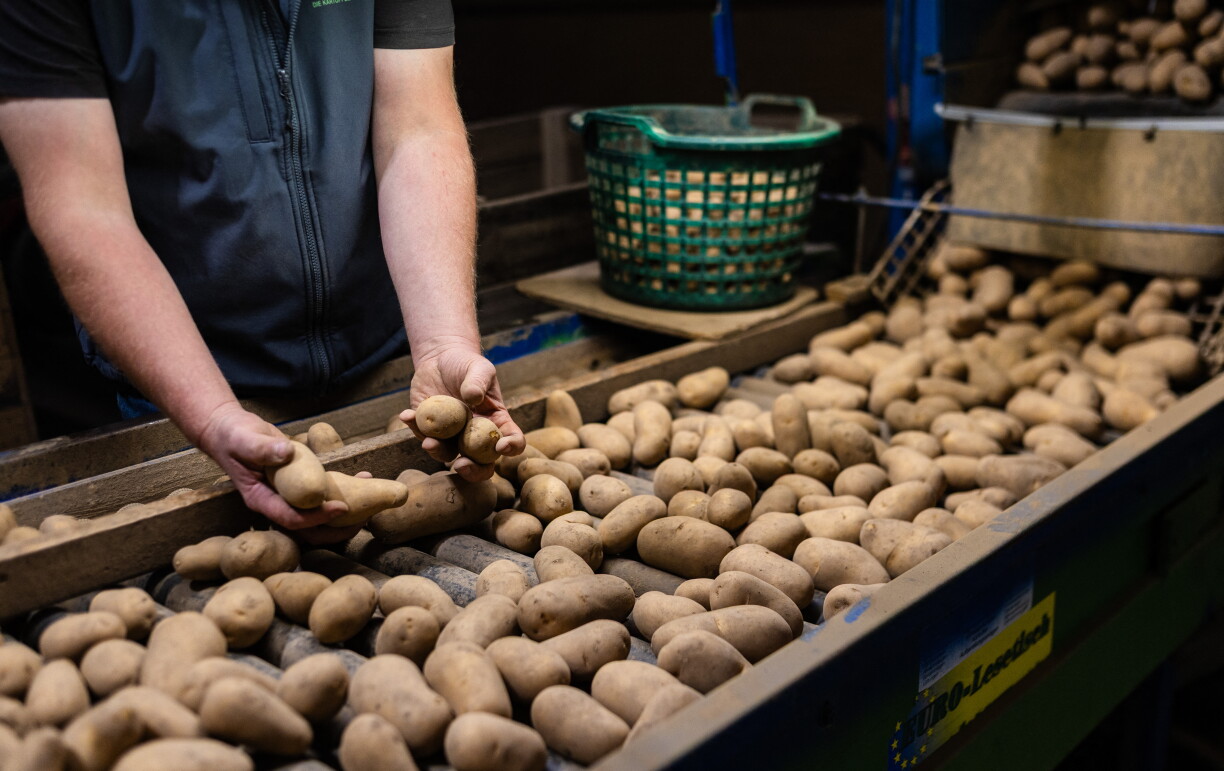
Potato growers face an even bleaker situation. According to Agriculture Minister Martine Hansen, this year's potato size falls short for processing needs, particularly for making chips. On the positive side, some crops like winter rape, spelt, and oats have been less affected by the drought in an otherwise difficult season.
Farmers are especially worried about fodder supplies. While two good-quality cuts of hay were managed from the pastures, a third cut was almost entirely lost. Minister Hansen notes that the damage to grassland has been extreme.
As a result, some farmers are already using up their reserves, rather than building them for winter. Only further rains and the possibility of one more hay cut could improve the outlook.
Maize for silage presents a similarly mixed picture. Some fields have yielded well, but others suffered badly from drought.
Steve Turmes observes that this year, maize has been chopped much earlier than usual, probably the earliest harvest ever. The most severely affected maize fields were harvested for forage as early as the end of July, in response to drought damage.
Farm incomes depend not only on crop yields but also on broader geopolitical factors. While grain prices have risen by 10–12% compared to last year, according to Serge Turmes, grain farming remains unprofitable due to soaring input costs.
These price increases are closely linked to the war in Ukraine and other global crises, rather than local conditions.
The situation for rape is even starker: prices have climbed dramatically, as the conflict in the Middle East has pushed up global oil prices, to which rape is tied. At the same time, farmers must contend with higher prices for diesel and fertiliser, so recent price gains do not cover the increased costs.
To make matters worse, this year's rape harvest is also smaller than usual.
Insurance is one way farmers can protect themselves against poor harvests. In Luxembourg, the state covers 65% of the cost of crop failure insurance, helping producers recover some losses.
However, not all crops can be insured, and fodder crops present a particular challenge. Minister Hansen emphasises that for fodder, farmers get financial compensation but still lack feed, adding that the latter is currently in short supply across the Greater Region.
Hansen underlines that without subsidies, grain production in Luxembourg would not be economically viable. Maintaining some degree of food sovereignty remains a political priority, so she argues that the European Union must continue to support its agricultural sector through a strong Common Agricultural Policy.
Otherwise, food production in Europe risks becoming dependent on imports. Sustaining domestic production is, in Minister Hansen's view, essential not just for Luxembourg but for Europe as a whole.
Steve Turmes agrees that Luxembourg must not become reliant on food imports. He calls on policymakers to decide whether they want to maintain flower meadows across Europe and import everything, regardless of condition or quality, or whether they preserve a viable agriculture sector, which can produce milk, meat, and grain sustainably.
The responsibility, he concludes, lies squarely with politicians to set the framework for Europe's farming future.





