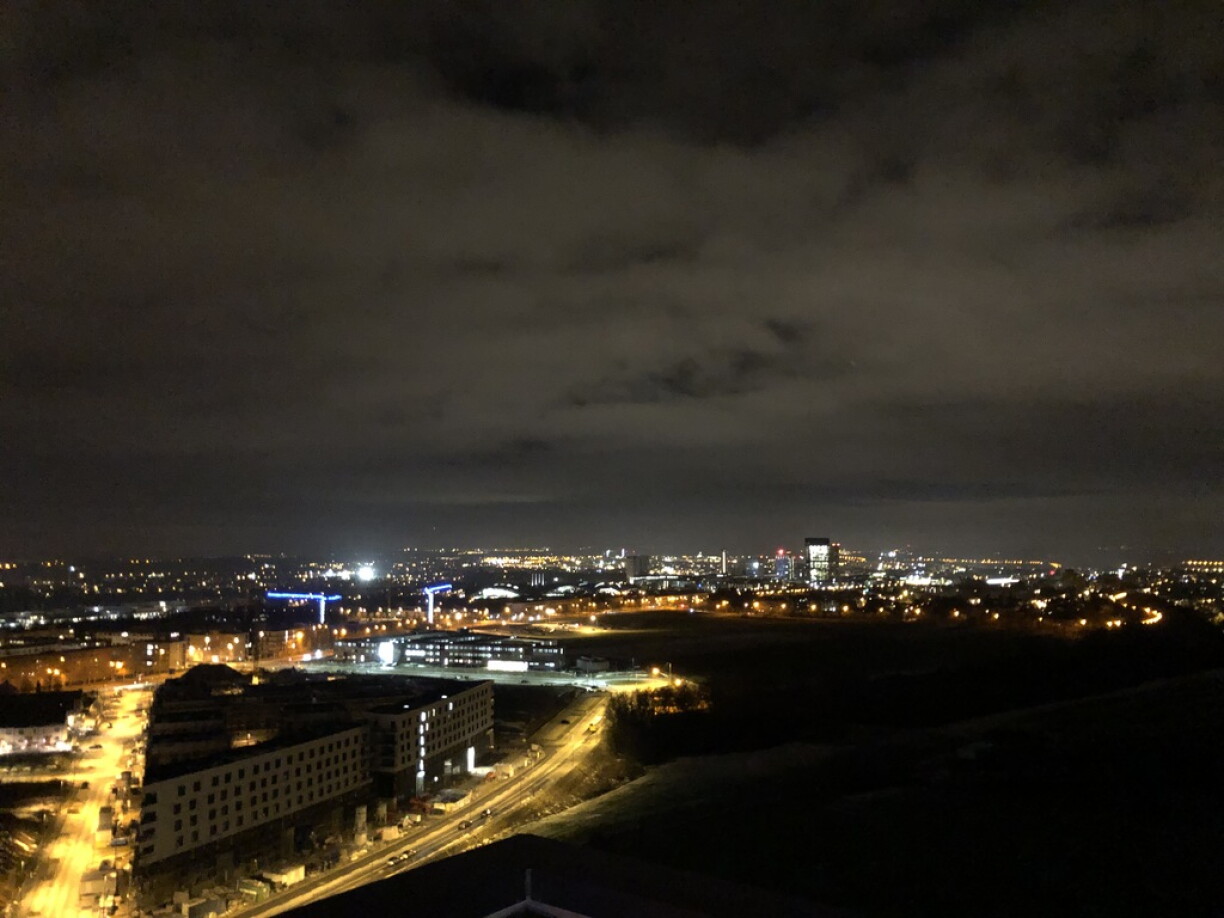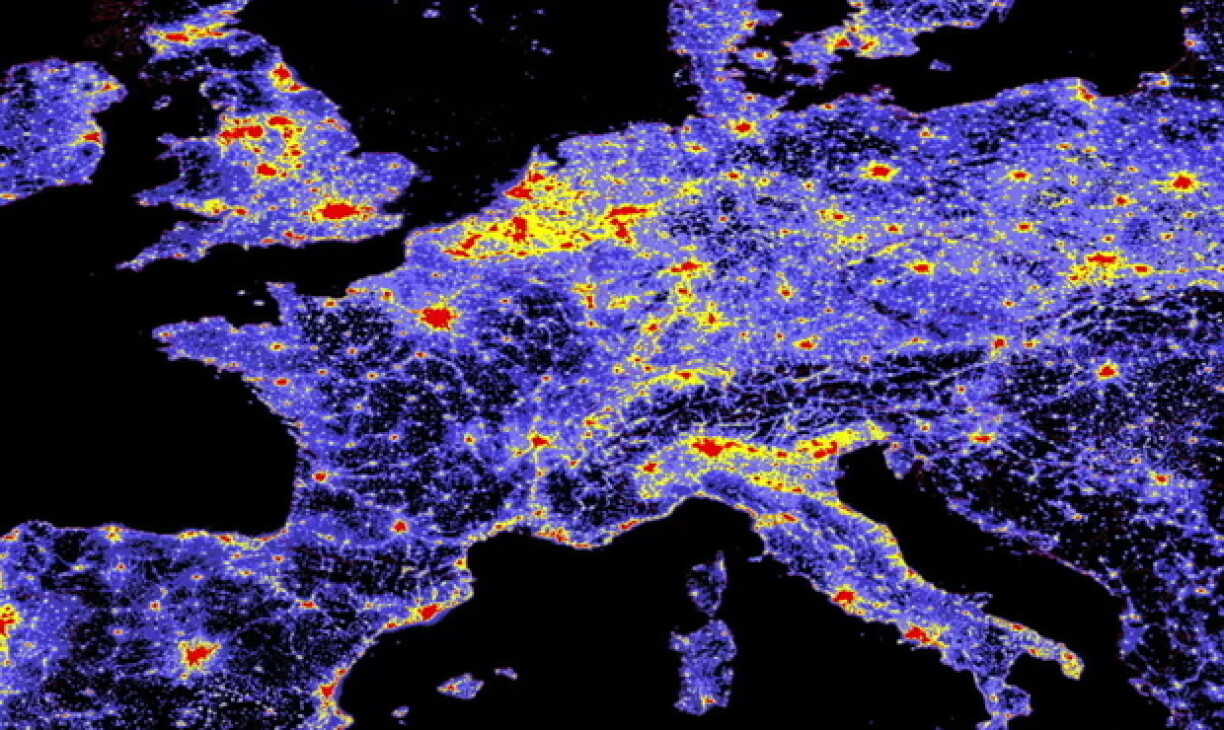
Astronomers were the first to acknowledge light pollution as an issue, as it fundamentally affects how many stars are visible. A graph of light pollution over Europe pinpoints the Benelux states and north Italy as key areas affected by this type of pollution.
The obvious culprit of Luxembourg's light pollution is its capital city. In addition to Luxembourg City, other key areas include larger petrol stations on the motorway, industrial zones, football pitches, and even the prison in Schrassig.
Dr Lukas Schuler, president of Dark-Sky Switzerland outlined these areas as significant for the Grand Duchy's light pollution.
He explained that excessive light can be detrimental to people, and more crucially, wild animals. In 2016, Mouvement Ecologique (Ecological movement) first flagged the issue in Luxembourg, which consequently led to the creation of a guide for the state and municipalities two years ago.
Light pollution involves a number of questions such as what types of objects are lit in which ways, and what kind of technology should be best used to minimise the impact of light pollution. The Ministry of the Environment worked on a file to provide households with guidance on lighting.
It is unavoidable to use LED lights, according to the municipal authorities' light, space, and city planning administrative unit's Uwe Knappschneider. He explained the importance of having as little blue light as possible.
The spectrum of LED lights is significant and blue light is particular detrimental in appealing to animals and consequently disrupting them and their patterns. A further issue is the design of the lights in question, as they should preferably point to the ground.
A good example of minimising light pollution is the modernised lighting of the Luxembourg City fortress.
The government invested heavily in this lighting, which both uses less energy and reduces the amount of blue light.