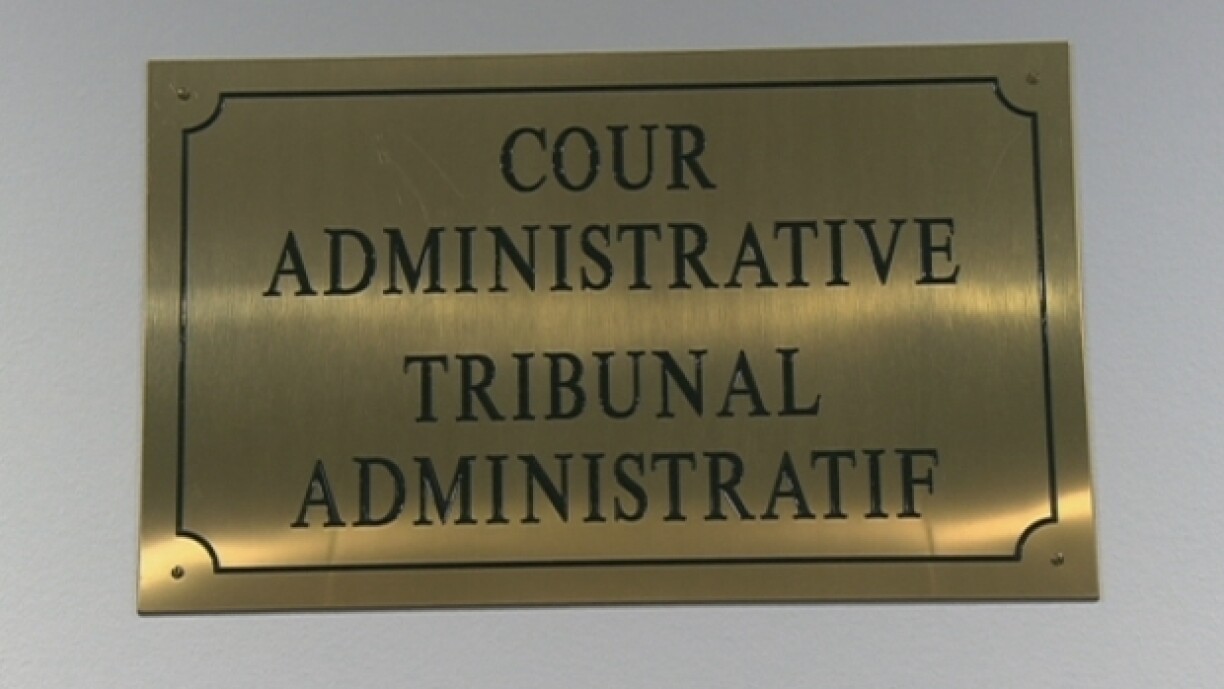
The woman took her case to the administrative court, and won the judicial battle against Minister for the Environment Carole Dieschbourg. The administrative court ruled that the woman's appeal was justified, and consequently annulled the Dieschbourg's decision. However, the court also ruled that the woman had no right to compensation for proceedings and that the state would pay for the expenses.
The woman had passed the entrance examination ("examen-concours") required to start the public service training period in September 2016. In October, she applied for a vacant position at the Ministry of Sustainability. François Bausch rejected her application in December 2016. In February 2017, the woman again applied for another position at the Ministry of the Environment. Carole Dieschbourg rejected this second application in March of the same year. The woman then lodged an informal appeal against those two decisions in February 2017. The two ministers, in return, rejected the appeal. The woman then decided to take the affair to the administrative court.
The judges ruled that the appeal was justified but specified that they only focused on the second rejection. In fact, the entrance examination (examen-concours) comprises, by grand ducal decree, two parts: candidates need to take part in general examinations and in so-called special examinations. The latter can for example take the form of an interview. The outcome of the special examination determines whether or not a candidate's job application is successful. The woman, the judges explained, had passed the general examinations but she was never invited to the special examination. The judges ruled that Dieschbourg had violated the grand ducal decree by not inviting the candidate to the special examination. For this reason, her decision to reject the woman was deemed unlawful and consequently annulled.





