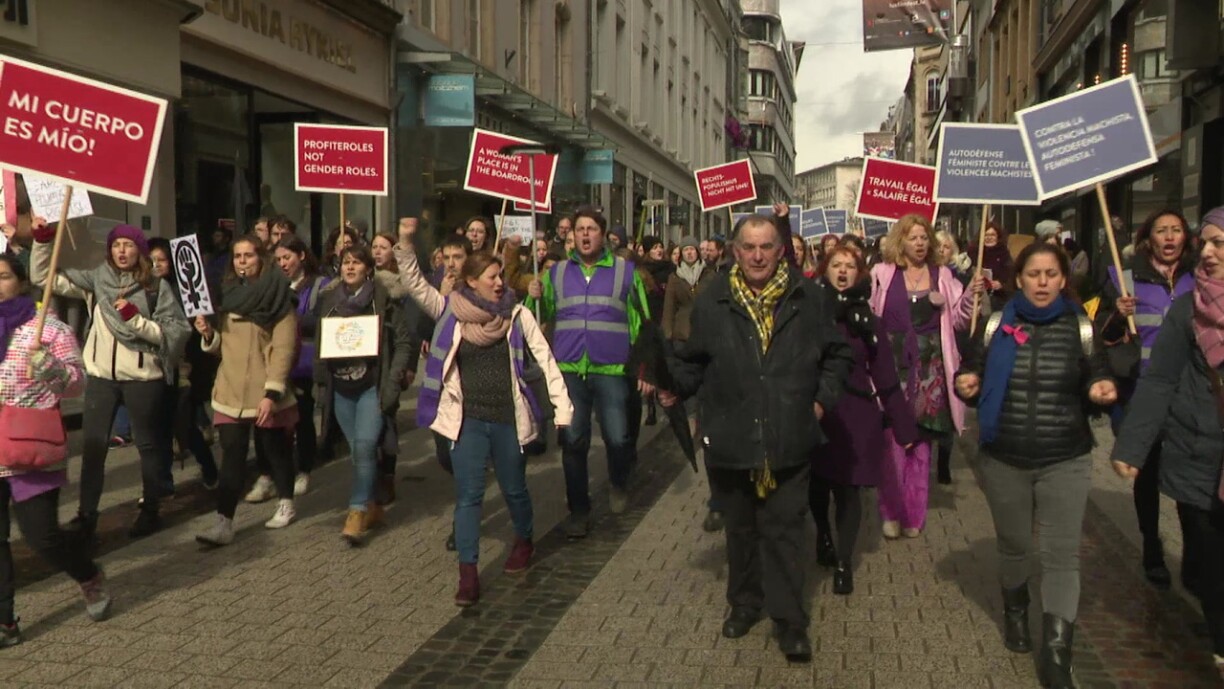
According to the European Institute for Gender Equality's latest Gender Equality Index, presented on Tuesday in Brussels, both the European Union and Luxembourg have made small amounts of progress. However, one area remains striking when it comes to gender disparity, namely the domain of 'power'. Women are far less involved in decision-making processes than men are, both in Luxembourg and the EU.
This is not to suggest that the area of decision-making has seen a lack of improvement in all member states, as other countries have made significant of improvement in this area. In several countries, notably France, women are now more likely to sit on boards of directors.
Overall, the European Union scored 67.4 out of 100 in the index, improving by a singular point since 2017. The official report described the EU as continuing 'its snail’s pace when it comes to gender equality progress'. The top-scorer was the same as in previous years, namely Sweden with 83.6 points. Luxembourg was classed tenth with 69.2 points, having improved its mark by five points since 2005.
Globally, Luxembourg scored highly in all domains examined by the Gender Equality Index, with the exception of 'power'. Luxembourg scored highest in the category of 'money' (91.8 points), with the highest score in the entire European Union.
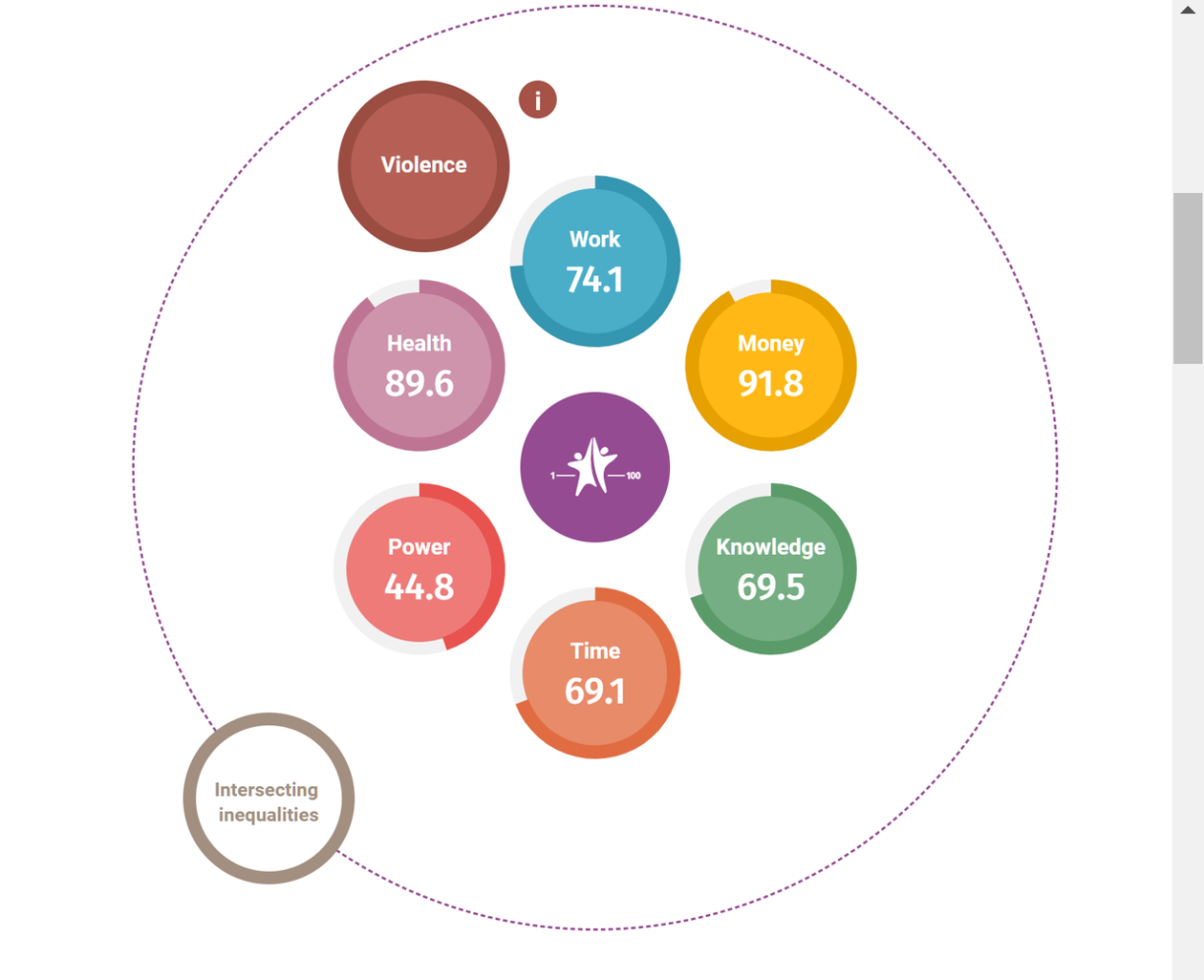
Whilst the Grand Duchy is putting in a lot of effort into promoting gender equality in 'power', it falls short in this very category. Women remain under-represented in both political and economic decision-making areas, representing only 22.2% of ministers and 27.9% of members of parliament. In the economic domain, only 12.7% of members of boards in largest quoted companies, supervisory board or board of directors are women, and a further 14.8% are members of the central bank board.


Greece and Hungary are found at the bottom of the Gender Equality Index, scoring only 51 out of 100. Overall on the European level, the area with the best gender balance is healthcare.
The index also especially highlighted the work-life balance, stressing that 28% of women and 20% of men in the EU have no right to parental leave. Outgoing European Commissioner Věra Jourová hopes that a new work-life balance directive will be a game-changer for men and women in Europe, stating: "the rules will support more equal sharing of caring responsibilities, which will allow women to stay on the labour market and take on challenging roles or management positions." She added that gender inequality is "holding Europe back from reaching its full potential."