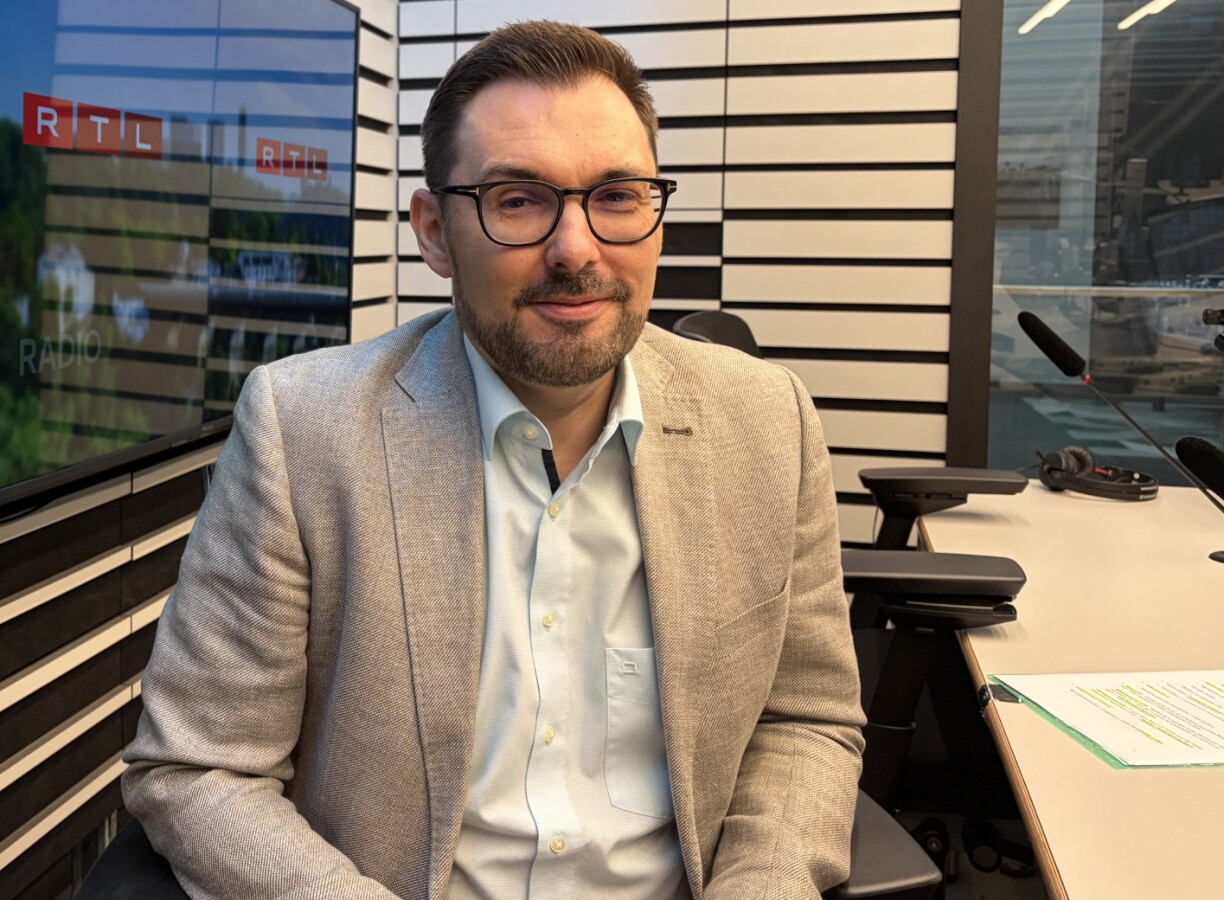
Luxembourg’s healthcare system is strong compared to other countries, but persistent challenges remain and need to be addressed, according to Christophe Knebeler, member of the management committee of the Luxembourg Confederation of Christian Trade Unions (LCGB) and the union’s spokesperson for social policy. Speaking to RTL on Wednesday morning, Knebeler stressed the need for open dialogue and practical solutions to issues that have lingered for some time, especially those that have become more pressing over the past year.
He welcomed the shift towards more outpatient care, which he said could help improve the geographical distribution of services. However, he emphasised that this should not come at the expense of high quality standards. Knebeler also argued that recent demands from the Luxembourg Association of Doctors and Dentists (AMMD) have become increasingly disconnected from the needs of insured patients, and insisted that patients must remain the central focus of the system.
Knebeler said the LCGB is open to discussions on any measures that put patients first and deliver the best and fastest possible care. He called for new approaches, pointing out that many important issues have not been addressed in recent years, and particularly over the past year.
The AMMD recently terminated its agreements with the National Health Fund (CNS) and is currently refusing to sign new ones. In response, new Grand Ducal regulations are set to replace these conventions, adopting their fundamental principles so as to avoid major changes for patients. Nevertheless, Knebeler warned that without these conventions, the system risks becoming more rigid and complicated, as any amendments would require ministerial approval rather than allowing for flexible negotiation.
While there is consensus on the need to keep pace with medical advances, Knebeler stressed that it is not only about introducing new treatments, but also about updating the tariffs for existing services.
The LCGB is also demanding the abolition of first-class surcharges in Luxembourg’s hospitals. At present, if a patient opts for a single room in hospital, any doctor treating them can charge up to 66% more for their services – something Knebeler described as nonsensical. He also called for action against so-called “convenances personnelles” – supplements that doctors can charge which are not reimbursed by the CNS and must be paid directly by the patient, who has no possibility to contest these charges.
E Mëttwoch de Moie war d'Gesondheetskeess Theema an der Emissioun "Invité vun der Redaktioun".





