"It really has been much more quiet for a week now", explains Danuta Lebegue, who works at the Q8 petrol station in Mertert-Wasserbillig near the German border, which is usually frequented by cross-border customers on a daily basis.
The same absence of clients can also be observed at other stations in the area. Lebegue elaborated: "On Whit Sunday, our regulars still came to buy coffee and tobacco, but they no longer filled up their tanks. They rather opted for petrol in the Trier area."
Our colleagues from RTL 5minutes also spoke to German customers at the border. "I've been coming to Luxembourg to get petrol for 17 years, as it was always cheaper. There was always a difference of 15 to 20 cents", explains 53-year-old Martin, a German cross-border worker employed in Bech-Kleinmacher.
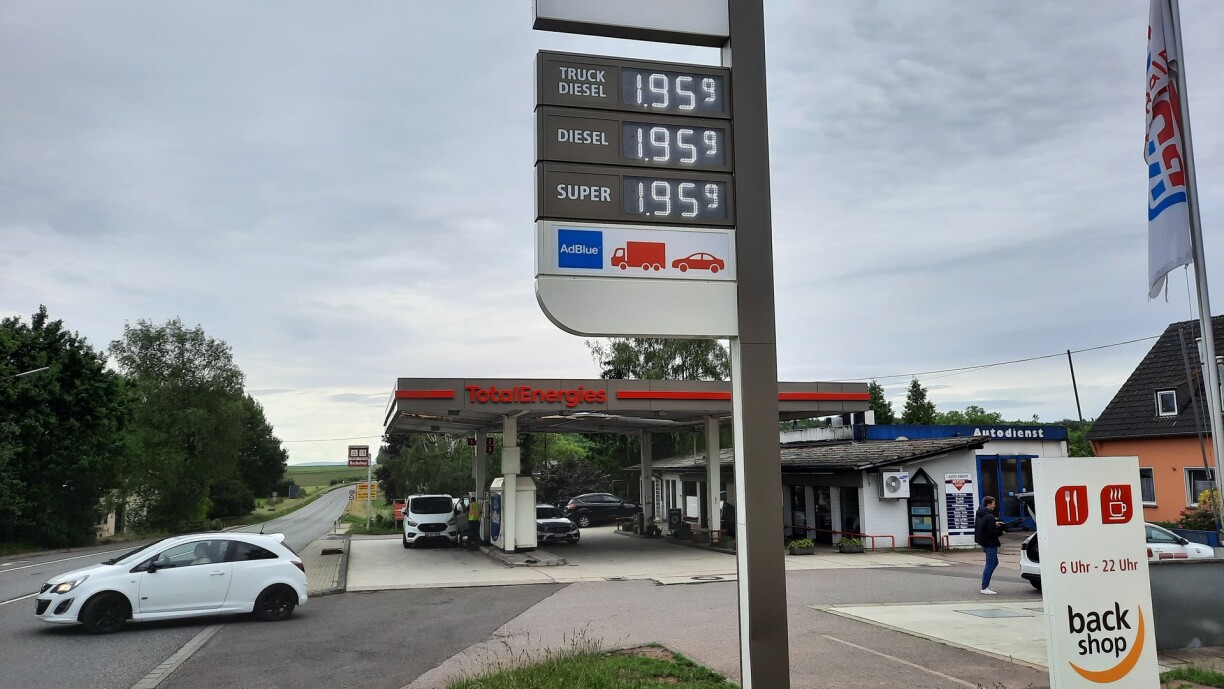
Contrary to Luxembourgish petrol stations, those in Germany do not follow a universal price maximum, which means that some may offer better prices than others. However, it also means that they are subject to extreme fluctuations, with prices able to change 20 times at a single station in a single day.
One of the cheapest stations in the region is located in Welschbillig, about 15 kilometres north of Trier. Once Germany introduced its fuel tax reduction, the station thus saw a significant increase in customers, reveals one of the employees: "It was hell! We had so many more customers all week, including people from Luxembourg and also from the Netherlands."
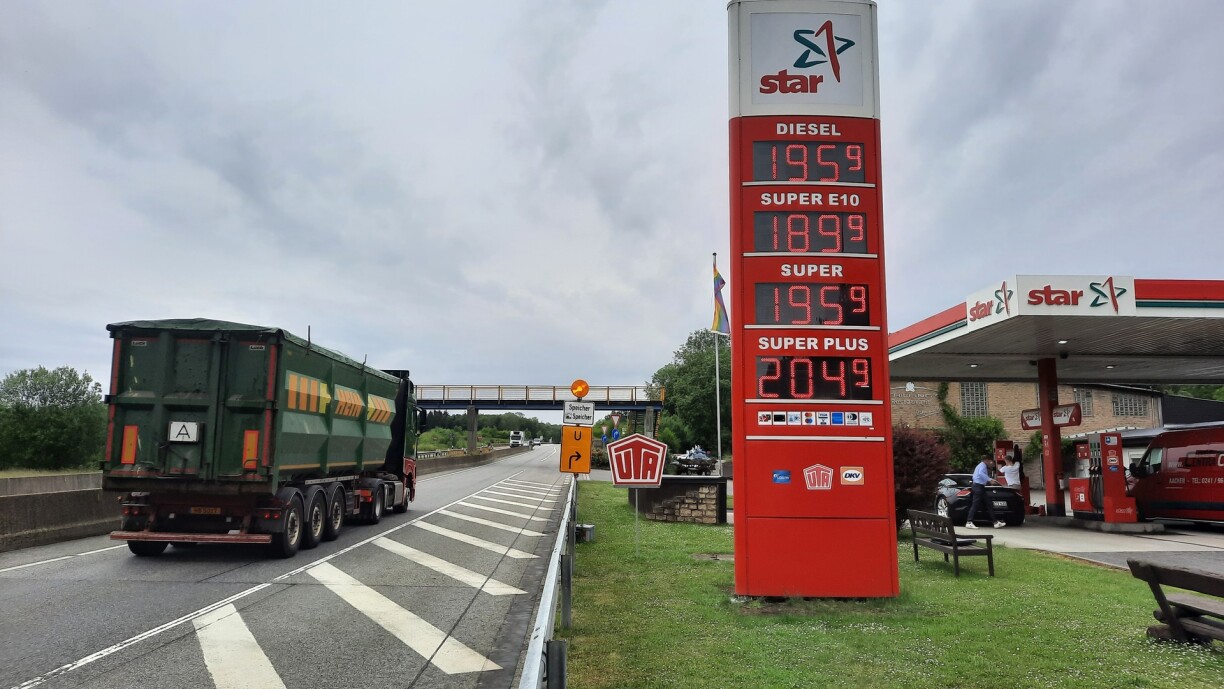
Similar events also took place at other German petrol stations. Achim Schilling, who opened the Star station in Meckel-Meilbrück, 22 kilometres north of Trier, in 1996, revealed that a Luxembourgish lorry driver even filled up an additional jerrycan at his station: "It is really unusual. I have never seen us beat Luxembourg's prices."





