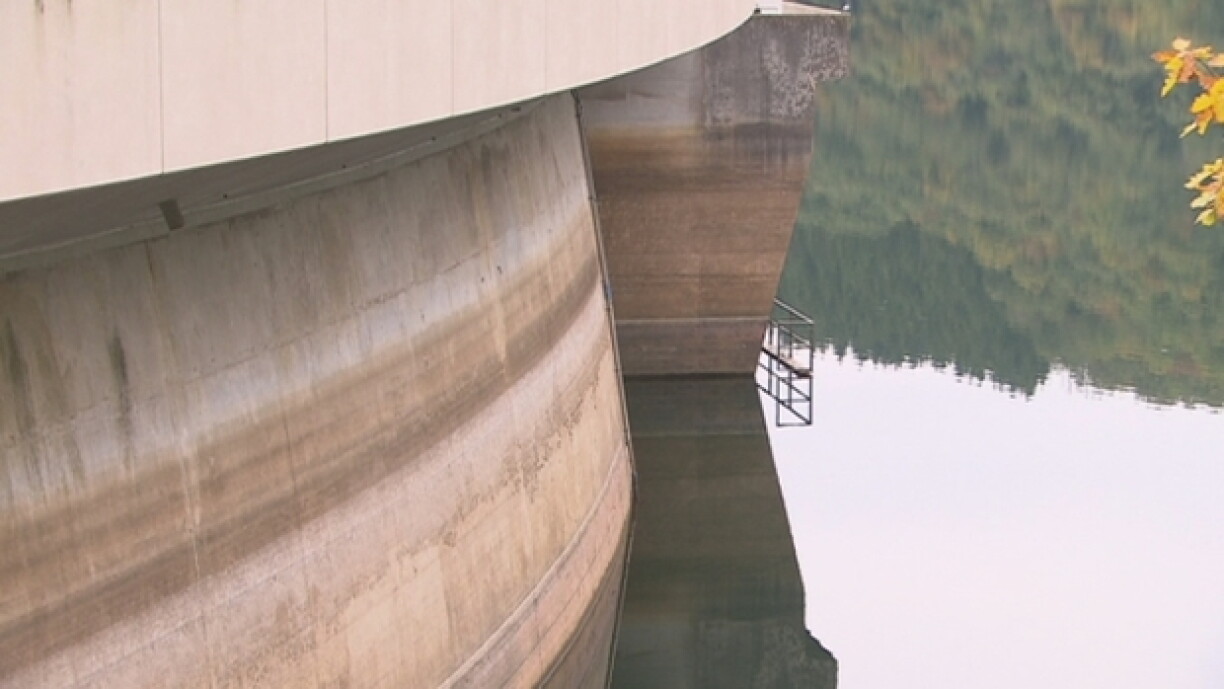
Winter 2017 recorded an insufficient amount of rainfall, which in turn did not adequately fill Luxembourg's water table reserves. The next winter also failed to fill the reserves. The consequences of this phenomenon are most keenly felt during a drought, much like the one experienced in the summer of 2018. Residents were asked to curb excessive use of water.
Green MP Henri Kox submitted a parliamentary question to Minister for the Environment Carole Dieschbourg on the matter. The minister confirmed that the two dry winters meant that Luxembourg's reserves were not substantially fed, but outlined that the impact would only be felt in two years' time.
As the past few months did not see a surge in rainfall, the spring has not made up for the dry winters. Residents should expect to see restrictions on water use over the summer. The ministry monitors the Girst and Weissbach sources as a reference point for water table levels.
In the event of a long drought, the authorities would analyse groundwater levels and the use of tap water in great detail. If needed, the ministry would announce a vigilance phase in which residents would have to limit their water use. If households or businesses would not respect the limitations, the minister explained, they would face sanctions. This would notably apply to those filling swimming pools, or washing cars and lawns during such a vigilance phase.
The authorities are also planning on introducing new drinking water sources, notably water from the Moselle river, which would require treatment first. The minister confirmed that the ministry is investigating the Moselle as a source given the consumption of water and the development of Luxembourg's population. The ministry expects this will be possible by 2035, as the authorities will have built a new treatment facility by then. This process will require 15 years and the ministry's survey into this new process is underway.





