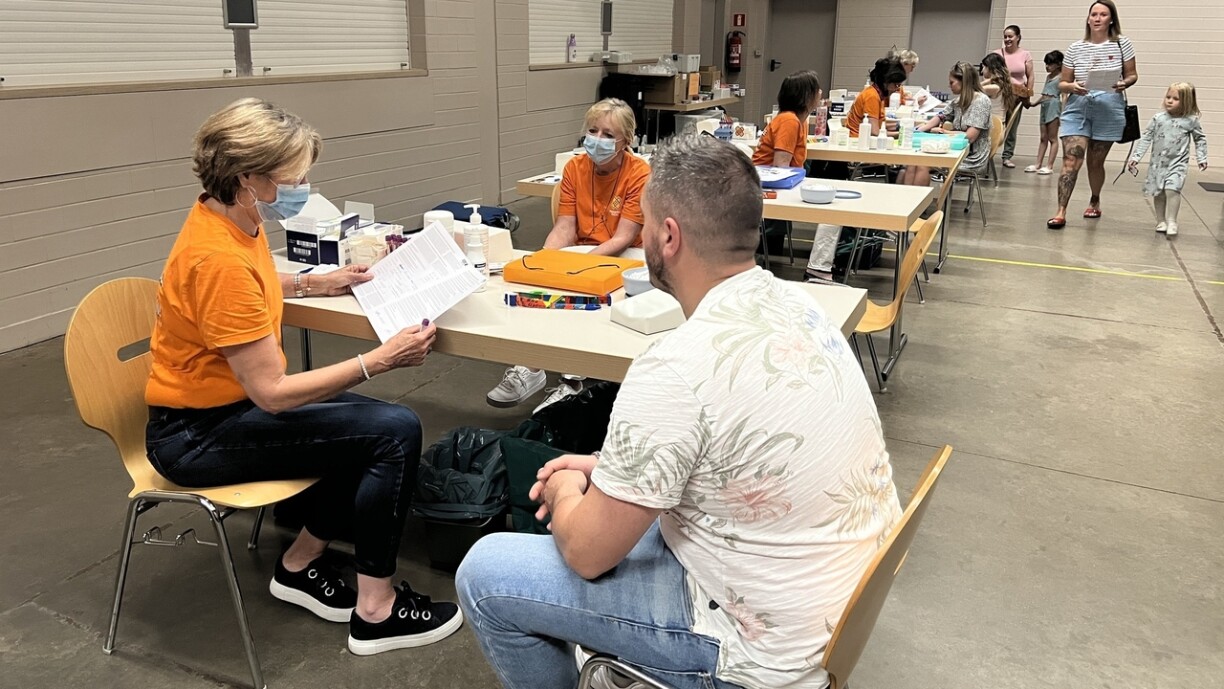
The 'Plooschter Projet' ('Plaster Project') seeks to increase the number of stem cell donors in Luxembourg. To that end, members of the project regularly visit major events in the Grand Duchy where they inform people about the procedure and allow them to register for potential donations.
On Saturday, a specific call for donations was launched in Schifflange to help find the right person to help 9-year-old Gabriel.
In the span of just four hours, 270 people signed up for a potential donation. All blood samples are collected in an international databank, which then helps leukaemia patients from all around the world find a suitable donor. Every year, between 15 and 20 patients receive a stem cell donation in Luxembourg.
People who want to sign up as donors need to fill out a short questionnaire concerning their health and provide a blood sample. However, the likelihood of being called up is low, as on average, only 5% of all registered donors provide one donation over the span of their life. Nevertheless, people are advised to only register if they are ready to commit in case of being called up.
People need to respond to several criteria to be eligible as stem cell donors. They need to be aged 16 to 40, not have been pregnant more than twice, and weigh a minimum of 50 kilograms. Minors also need permission from their parents or legal guardians.
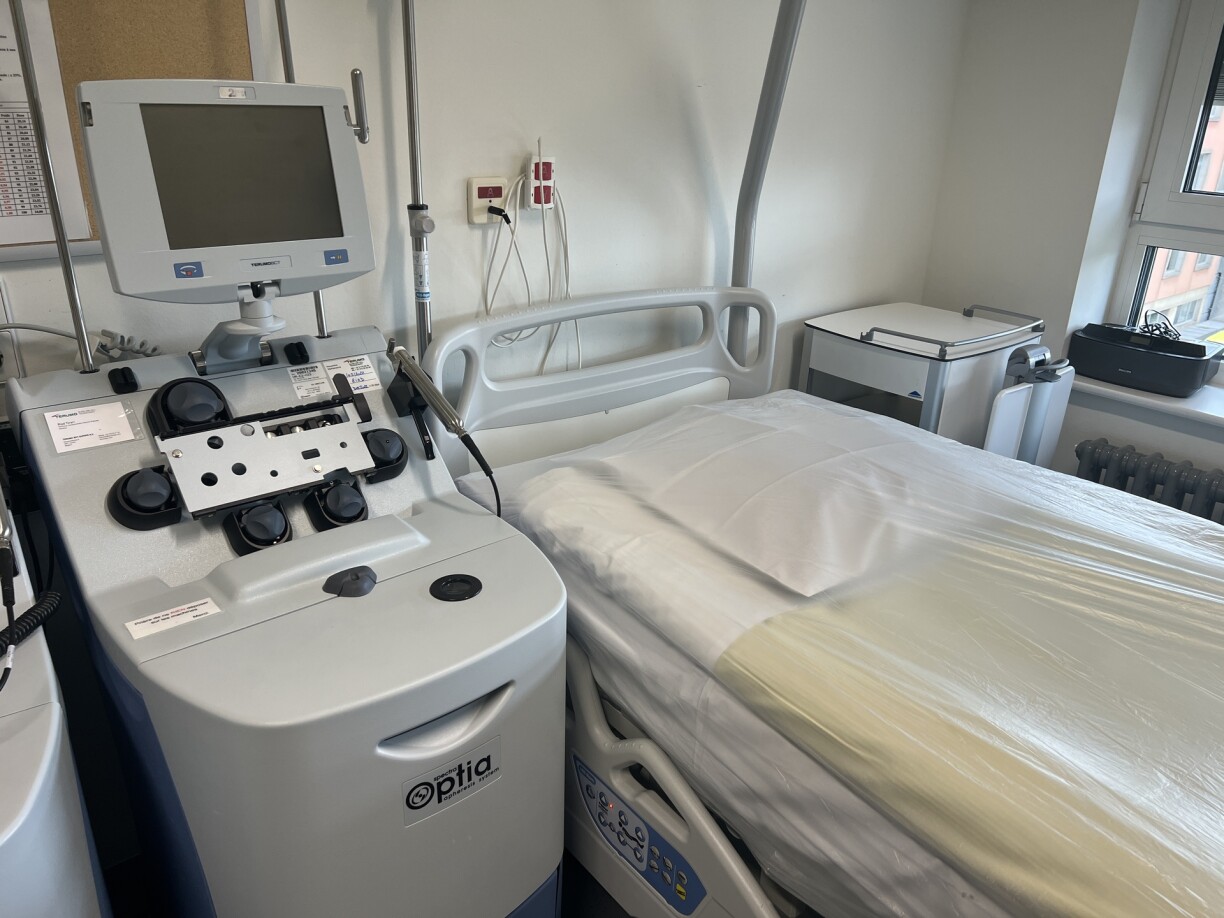
The donation procedure itself is neither harmful nor dangerous. In 95% of cases, it is done via a simple blood sample. Donors thus receive medication to encourage the production of stem cells and later connect to a type of dialysis machine, which runs for three to four hours.
In rare cases, stem cells have to be surgically extracted from bone marrow, which requires anaesthesia.
Yannick Lieners, spokesman for the Plooschter Projet, explained that it is currently still the case that donors need to be either Luxembourgish or German nationals, or residents of either country. The Grand Duchy is working closely with the German 'Stefan Morsch Foundation', which means that potential donors who do not fit the profile have to be refused.
Lieners elaborated: "We already sat down with the Ministry of Health to change this regulation, but unfortunately, nothing has happened thus far."
At the moment, Luxembourg has 15,000 registered stem cell donors, which is considered insufficient since the chance of compatibility is 1 in 1,000,000. One in three patients in Luxembourg does not find a suitable donor.
People interested in signing up as donors can do so in several of the country's laboratories. On facebook, people can also find information about events that the Plooschter-Project visits.