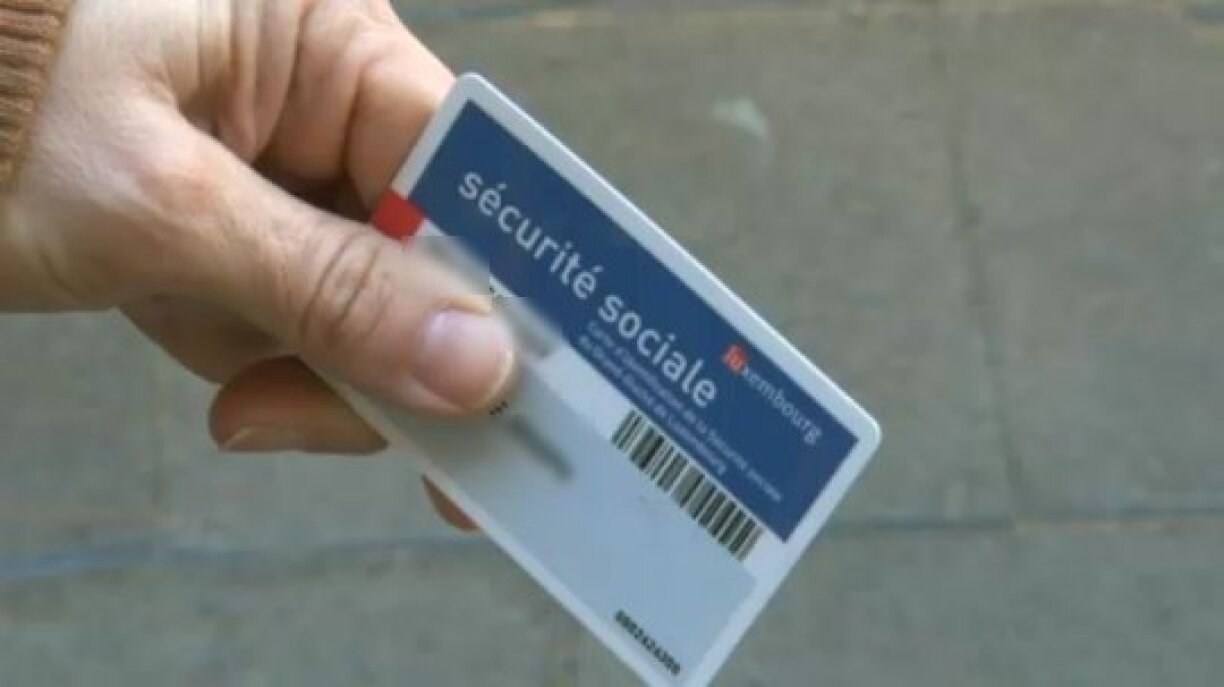
Our colleagues at RTL Radio talked to Paul Glouchitski from the Luxembourg Confederation of Christian Trade Unions (LCGB) about the recent policy change that caused 800 cross-border workers to lose their social security affiliation.
On 30 April 2020, a respective European regulation expired, which meant that foreign drivers working in Luxembourg were no longer able to benefit from local social security, but rather had to apply for a programme in their country of residence. This new regulation applies to all drivers who are not living in the Grand Duchy, who were hired before 2010, and who conduct at least 25% of their work load in the country they live in.
Glouchitski emphasised that the policy change has further negative implications: "With the expiration of the regulation, the concerned people also lost their right for parental leave and family allocations."
People hired after 2010 were already concerned by the law in question. Although it is understandable that government officials try to counteract social dumping, Glouchitski argued that the country's elevated salaries in comparison to its neighbour states make it unnecessary.
The Independent Luxembourg Trade Union Confederation (OGBL) has also issued a statement to address the situation. They demand that employees who have been retroactively disaffiliated should not be required to reimburse those benefits if it was the employer's fault. According to Glouchitski, it remains unclear how things are supposed to progress now:" The Minister has clearly shown that drivers are on their own. Few steps have been initiated to help in the transition."
However, the Social Security Common Centre (CCSS) has confirmed that 40 of the 800 cases have in the meantime been resolved by authorities from Luxembourg and Belgium.
The regulation or lack thereof may be an incentive for many foreign drivers to return to their countries of residence for professional activities. This could turn out to be a problem for the national transportation sector, which currently employs around 8,000 people.