Inflation in Luxembourg accelerated sharply in March, with the annual rate rising from 1.3% in February to 2.4%, according to new figures published by the National Institute of Statistics and Economic Studies (STATEC).
The increase was driven mainly by a steep rise in energy prices following the closure of the Strait of Hormuz amid the war in Iran.
Energy prices rose by 12.2% over the month, pushing the annual rate for the sector to 6.1%. In February, energy inflation had still been negative, at -7.7%.
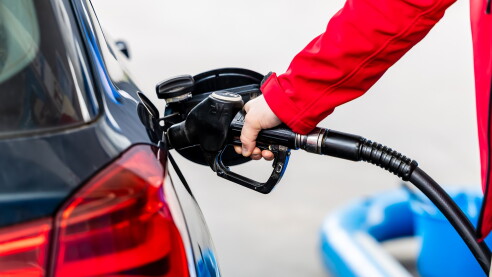
Heating oil saw one of the biggest increases, climbing 37.3% month-on-month and 33.2% year-on-year. Fuel prices also recorded a historic jump, rising 15.6% in a single month, the sharpest monthly increase ever recorded in the National Consumer Price Index (NCPI). By comparison, the previous peak in March 2022 was 11.8%.
Diesel prices rose by 22.2% per litre, while petrol increased by 10.7%. Gas and electricity prices, however, remained unchanged in March.
Food prices, including alcohol and tobacco, were up 2.7% year-on-year.
The main increases were seen in fresh meat, up 5.6%, vegetables, up 3.6%, and coffee, up 11.5%. By contrast, vegetable oil fell 4.7% and pasta dropped 3.1%.
Compared with February, food prices edged up by 0.2%. Alcoholic drinks, however, fell by 1.6%, largely due to promotions on wine (-2.0%), spirits, liqueurs (1.4%) and beer (-1.0%). On an annual basis, alcohol prices were down 0.7%.
Services inflation rose to 2.5% year-on-year in March, up from 2.2% in February.
STATEC said the increase was mainly driven by higher prices for package holidays as well as nursery and after-school care fees. Bank charges also rose sharply, up 8.0% year-on-year and 6.7% compared with February.
Promotions on telecom bundles, however, helped limit the rise.
Non-energy industrial goods rose by 1.0% year-on-year, the smallest increase among the main categories.
The sharpest rises were recorded for jewellery and watches, up 8.5%, and household cleaning and maintenance products, up 5.3% compared with March 2025.
Furniture prices, meanwhile, fell by 1.4% over the month due to promotions.
The annual inflation rate reached 2.4% in March, while the non-energy index increased from 2.0% to 2.1%.
The general index for March, based on 2025=100, stood at 101.39 points.
The six-month average of the index linked to the base date of January 1, 1948, rose from 1034.45 to 1035.12 points.
The next indexation tranche will be triggered once the index reaches 1038.79. It is still expected in the second quarter of 2026.