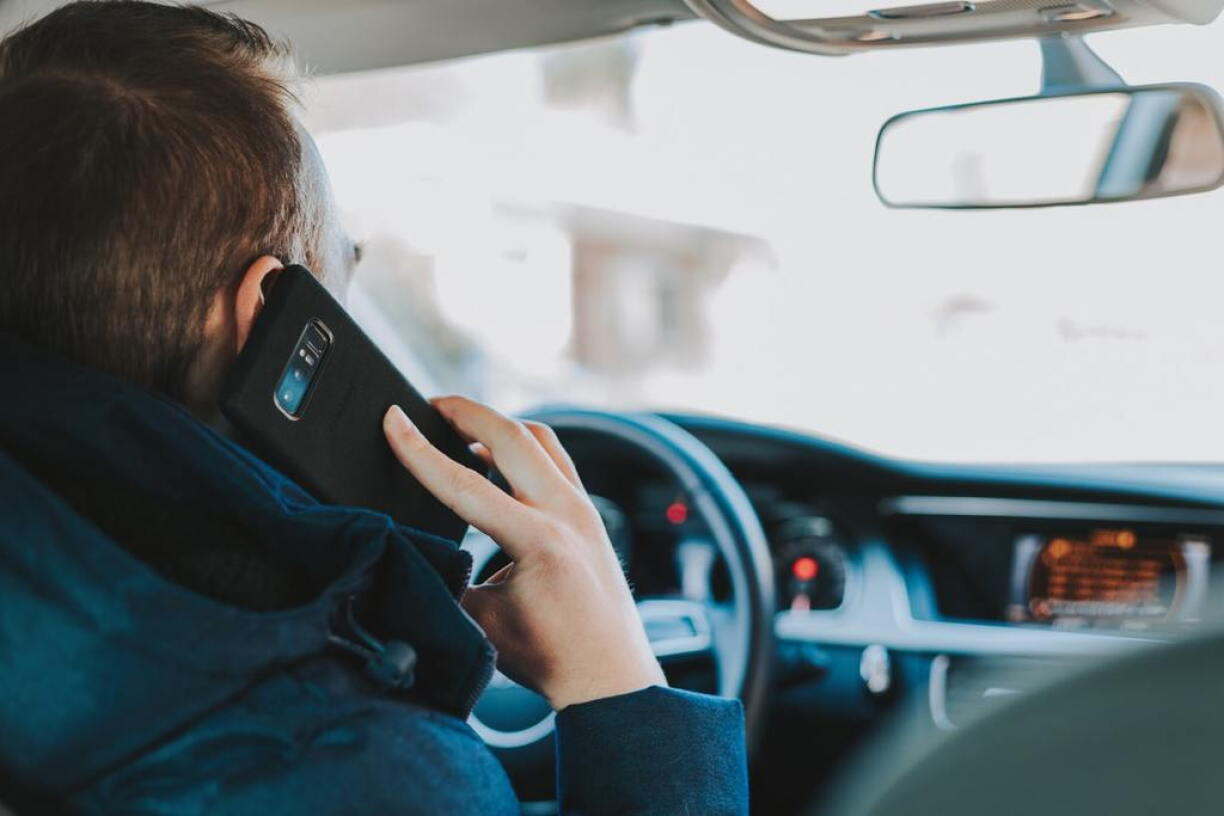
Generally, speeding and driving under the influence are known as two of the more common causes of road fatalities, but the use of mobile phones whilst driving seems to be considered as less dangerous.
However, European studies seem to suggest that mobile phone usage is more dangerous than we think. Several studies reveal that becoming distracted whilst driving - often linked to texting or calling - is the second highest cause of accidents, coming behind speeding, but ahead of drink driving.
The president of the Road Safety Association, Paul Hammelman, claimed that more incidents of drivers being distracted by their phones could compromise the current downward trend of the number of injuries and fatalities on Luxembourg's roads. Unless, Hammelman added, the tendency is better controlled and sanctioned.
The association regrets that the authorities do not put in a more concerted effort to observe and sanction those motorists using their phones whilst driving, which is in part why the Road Safety association is mobilising itself against the tendency.
In 2018, only 3,519 motorists were fined for using their mobile phones whilst driving. The Minister for Mobility did announce stricter measures in March, claiming that the ministry would adapt sanctions for using phones whilst driving: instead of losing two points, drivers would lose four points on their driver's licenses as of 2021, a move praised by Hammelman.
As a result, the campaign - due to launch this week - will both raise awareness of the dangers using phones whilst driving and prepare motorists for the adapted sanctions, as explained by Isabelle Medinger, the director of the Road Safety Association. The campaign's main message is explicit: "Your mobile phone is as dangerous as alcohol when driving."
Hammelman highlighted that the campaign will also target professional drivers and their bosses, citing a study which revealed that 81% of drivers multitask when on the road.
False - the main cause of accidents involving mobile phones is distraction or loss of attention. Regardless of whether you're holding your phone or calling someone via Bluetooth, you'll still be distracted by the phone call.
False - unlike fellow passengers, the person you're calling on the phone cannot see oncoming traffic and cannot interrupt the driver in the event of danger. Additionally, a bad phone connection means the driver could struggle to hear the person they're calling and inadvertently focus more on the phone call, which leads to the above issue.
False again - pedestrians also risk being unaware of their surroundings when on the phone and may not take the time to notice a dangerous situation, especially when near or crossing the road.
According to France's Road Safety association, texting whilst driving multiplies the risk of an accident by 23 and means that drivers will look away from the road for an average of five seconds. In tangible terms, this means you'll be distracted from your vehicle for: